
A Failure to Launch
Play A Failure to Launch
A Failure to Launch Screenshots









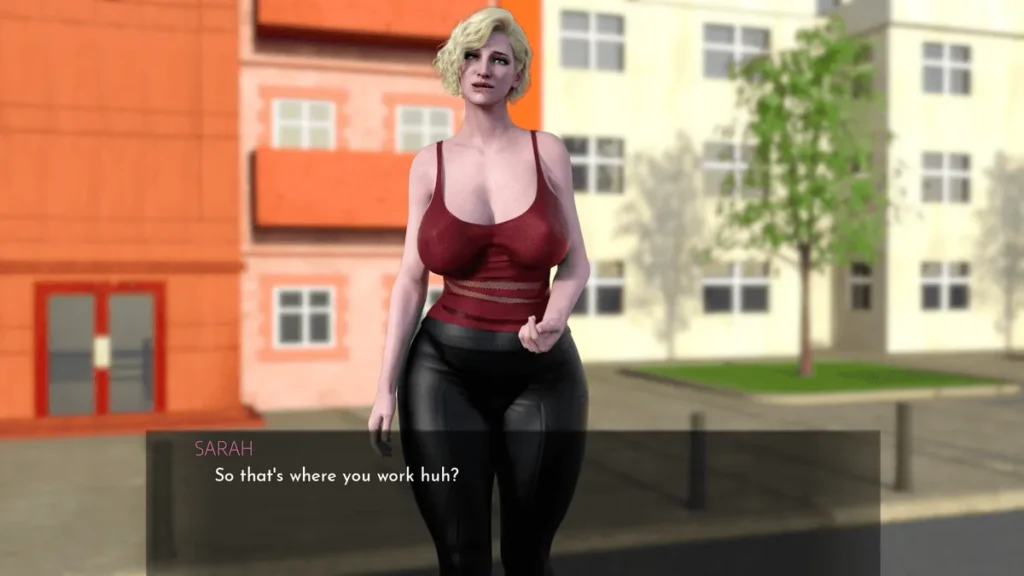
A Failure to Launch review
Master the mechanics, storyline, and character relationships in this interactive visual novel
A Failure to Launch is a character-driven interactive visual novel that combines narrative depth with meaningful player choices. You play as Alex, a 21-year-old protagonist navigating life after being evicted from his home, encountering various characters and facing real-world challenges. This game stands out in its genre through innovative mechanics like the Consequence of Comfort system and Energy & Ambition Gauge, which create genuine consequences for your decisions. Whether you’re interested in understanding the core gameplay mechanics, exploring character relationships, or discovering how your choices shape the story, this guide covers everything you need to know about this engaging interactive experience.
Understanding A Failure to Launch: Core Gameplay Mechanics
Ever picked up a game, expecting a bit of light-hearted fun, only to find it holding up a brutally honest mirror to your own life? 😅 That was my first, slightly unsettling, hour with A Failure to Launch. I clicked through what I thought was a standard visual novel, made a few “logical” choices to put off chores, and suddenly my in-game roommate was giving me the cold shoulder and my apartment had visibly accumulated more pizza boxes. I wasn’t just playing a story; I was being seen. This game’s magic—and its gentle, relentless challenge—isn’t in epic quests or combat, but in its deeply personal and systemic A Failure to Launch gameplay mechanics.
This isn’t your typical “click-through” narrative. It’s a living, breathing simulation of personal inertia and growth, where every tiny choice ripples outwards. To master it, you need to understand its core systems. Think of this chapter as your user manual for getting your digital life together. We’re going to break down the genius Consequence of Comfort system, manage the precious resources of your Energy and Ambition Gauge, navigate the crucial dialogue choices visual novel fans love, and learn how your bonds with others shift through a delicate Affinity System character relationships. Let’s dive in.
What Makes This Game Different: The Consequence of Comfort System
Most games reward action. A Failure to Launch brilliantly punishes inaction—or more accurately, it makes comfort a costly commodity. 🛋️ This is the heart of the experience. The Consequence of Comfort system is the overarching philosophy that every choice to avoid a task, indulge in a distraction, or take the easy way out has a tangible, often negative, impact on your world.
Here’s a personal case study from my second playthrough: My character, Alex, had an email to write for a potential freelance job. The game presented me with options: “Open laptop and start drafting,” “Watch just one episode of a show first,” or “Text a friend to complain about work.” I chose the middle path, the “comfort” option. The show ended, and the game didn’t just note that time had passed. My Ambition Gauge dipped. A subtle, new stain appeared on the living room carpet (from spilled snacks I hadn’t cleaned). Later, when I did try to talk to my roommate about splitting bills, a new, terser dialogue option was available from her: “Can this wait? You seem busy watching TV.” The game had connected my private indulgence to my public relationships.
This system manifests in two key ways:
- Environmental Degradation/Improvement: Your living space is a mood ring for your choices. 🏠 Leave dishes in the sink? They’ll appear, piling up. Ignore a dying plant? It wilts. Conversely, completing small tasks like doing laundry or taking out the trash will slowly clean and organize the space. It’s a constant, visual feedback loop of your habits.
- Contextual Interaction Menus: Nothing is static. Click on your laptop, and the menu might offer “Job Search,” “Creative Writing,” or “Browse Memes.” Which options are available—or highlighted as tempting—depends on your current Energy, your Ambition, the time of day, and even your recent failures or successes. After a major social blunder, that “Browse Memes” option might glow enticingly, a digital siren call to sooth your shame with comfort.
The Consequence of Comfort system teaches you that avoidance is never free. It accrues interest, paid in social capital, environmental chaos, and lost opportunities. It’s what transforms this from a simple branching narrative game into a profound, interactive character study.
Resource Management: Energy, Ambition, and the Momentum Wheel
Forget mana bars and stamina. Your most precious currencies in this world are psychological. Mastering A Failure to Launch gameplay mechanics means becoming an expert in budgeting your mental and motivational resources. It’s shockingly realistic.
Energy and Ambition Gauge are your twin engines. ⚙️ Think of Energy as your basic capacity to do things. Getting out of bed, taking a shower, having a basic conversation—it all costs Energy. It replenishes fairly easily with sleep, eating decent food, or short, genuine breaks. Ambition, however, is the fuel for meaningful, proactive change. It’s what you need to apply for that job, have a difficult conversation, or work on a personal project. And it’s infuriatingly fragile. A negative comment, a failed task, or choosing too many comfort options can drain it. Replenishing it requires genuine in-game successes, positive social interactions, or sometimes, just forcing yourself to do one tiny productive thing to spark it.
Now, here’s the genius tool that ties it all together: the Momentum Wheel mechanic. 🔄 This is a circular tracker on your UI that fills up as you complete consecutive positive, “growth-oriented” actions. Make your bed (+1%), send that email (+3%), go for a jog (+5%). The wheel builds. When it’s full, you enter a “Momentum State,” granting temporary buffs like reduced Energy cost for actions or a slow, passive refill of Ambition. It feels incredible—like you’re on a roll!
But the wheel is also merciless. Consecutive comfort choices or task failures cause it to empty. An empty wheel can trigger negative states, making everything cost more Energy and leaving you vulnerable to spiraling. The key strategy I developed? “Two-Day Rules.” Never let two in-game days pass without adding something to the Momentum Wheel, even if it’s just “Wash one dish.” It prevents the devastating backslide.
To visualize how these systems interact, let’s break them down:
| Mechanic | What It Does | Why It’s Unique |
|---|---|---|
| Energy & Ambition Gauge | Energy drains from all actions and refills with rest. Ambition fuels proactive choices and is hard to earn, easy to lose. | Separates mundane “ability to act” from the “will to improve,” mirroring real-life executive function vs. motivation struggles. |
| Momentum Wheel Mechanic | Tracks consecutive positive/negative actions. Fills to grant buffs, empties to apply debuffs. | Visually rewards consistency and powerfully punishes procrastination, creating compelling gameplay loops. |
| Contextual Interaction Menu | The options when you interact with objects/people change based on your stats, time, location, and mental state. | Makes the world feel reactive and personal. Your temptations and capabilities are literally displayed based on who you are in that moment. |
| Environmental Degradation/Improvement | Your apartment’s cleanliness and clutter change visually based on your task completion or neglect. | Provides silent, powerful feedback. You *see* the consequence of your choices without a single line of dialogue. |
Dialogue Choices and Branching Narrative Paths
At its heart, this is a story about people. And in A Failure to Launch, conversation is the primary battlefield where your growth is tested. 🗣️ This is where the dialogue choices visual novel format transcends cliché. Your words don’t just nudge a friendship meter; they dynamically alter character perceptions, lock and unlock future story branches, and directly impact your internal resources.
Every conversation is a mini-game of emotional resource management. You might have the perfect, empathetic response in mind, but if your Energy is too low, that option might be greyed out, leaving only terse or self-absorbed replies available. I once tried to apologize to a friend while my character was exhausted and Ambition-less; the only options were defensive or sarcastic. I chose sarcasm, and it took three in-game days of positive actions to unlock a path to a real apology.
This is powered by the Affinity System character relationships. 💝 Unlike a simple visible meter, affinity is largely hidden. You get subtle cues—a character’s smile, their tone of voice, the length of their text replies. Making choices that align with a character’s values (like supporting your roommate’s art, or being honest with your parent) raises their hidden affinity. High affinity unlocks special scenes, deeper confession dialogues, and crucial support during your low points. Conversely, repeated selfish choices can permanently damage relationships, closing off entire subplots and leaving your character truly alone in their struggle.
This leads to the game’s crowning achievement: its truly branching narrative game structure. We’re not talking about “good/evil” endings. We’re talking about nuanced outcomes based on a complex recipe of your relationships, your personal growth, and the specific tasks you did or didn’t complete. Did you finally clean out your car? That might unlock an option to give a character a ride at a critical moment, leading to a heartfelt conversation. Did you consistently ignore your family’s calls? They might not be available for support when you hit rock bottom.
Here’s how the narrative mechanics stack up:
| Core Narrative Mechanic | Description | Impact on Gameplay & Story |
|---|---|---|
| Dialogue Choices | Options are filtered by Energy, Ambition, and context. They directly cost/refill resources and shift affinity. | Makes every conversation a strategic decision. There is no “right” answer, only choices that serve your current or long-term goals. |
| Affinity System (Character Relationships) | A hidden score for each major character, changed by your actions and words. Unlocks scenes and dialogue branches. | Forces you to be observant and consistent. Relationships require genuine effort and can be broken beyond repair. |
| Branching Narrative | The plot diverges based on completed challenges, affinity levels, and key moral/practical choices. | Creates immense replayability. Your story is uniquely shaped by what you accomplished and who you connected with. |
| Light Puzzle Solving | “Puzzles” are personal challenges (e.g., “Reorganize your closet”) that require managing Energy and Momentum. | Progress is gated by personal achievement, not arbitrary locks. You level up your *life*, not your stats. |
Practical Advice: Save often, and in multiple slots! 🎮 The beauty of a branching narrative game like this is exploration. Don’t be afraid to re-load and see what happens if you choose the vulnerable dialogue option instead of the joke, or if you tackle a task immediately versus putting it off. It’s the best way to see the full scope of the Consequence of Comfort system and the delicate Affinity System character relationships.
Mastering the A Failure to Launch gameplay mechanics is a journey in itself. It asks you to be mindful, to strategize your self-care, and to understand that words and small actions carry immense weight. It turns the quiet drama of getting your life together into a deeply engaging, strategic, and emotionally resonant experience. By managing your Energy and Ambition Gauge, keeping that Momentum Wheel spinning, and navigating the delicate web of dialogue choices, you’re not just guiding a character to a better ending—you’re learning a subtle, powerful language of personal change. Now, go on. Your inbox awaits. Just… maybe close that streaming tab first. 😉
A Failure to Launch offers a refreshingly different approach to interactive storytelling by grounding gameplay in real-world challenges and personal growth rather than traditional combat or leveling systems. The game’s innovative mechanics—from the Consequence of Comfort system to the Momentum Wheel—create meaningful consequences for every decision you make. Your journey as Alex is shaped entirely by your choices, whether you’re managing resources, building relationships through dialogue, or watching your environment reflect your lifestyle decisions. The combination of branching narratives, hidden affinity scores, and contextual interactions ensures that each playthrough feels unique and personal. If you’re looking for an engaging interactive experience where your decisions genuinely matter and where victory means finally doing your laundry rather than slaying dragons, this game delivers a compelling and immersive experience worth exploring.