Corruption Time
Play Corruption Time
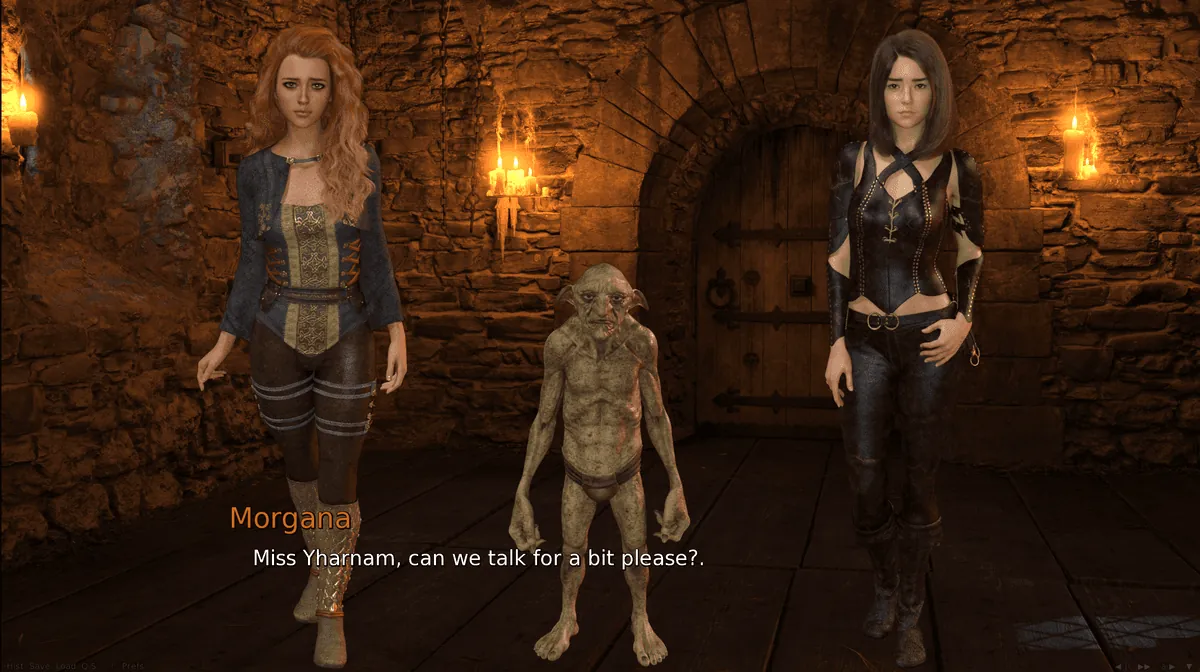
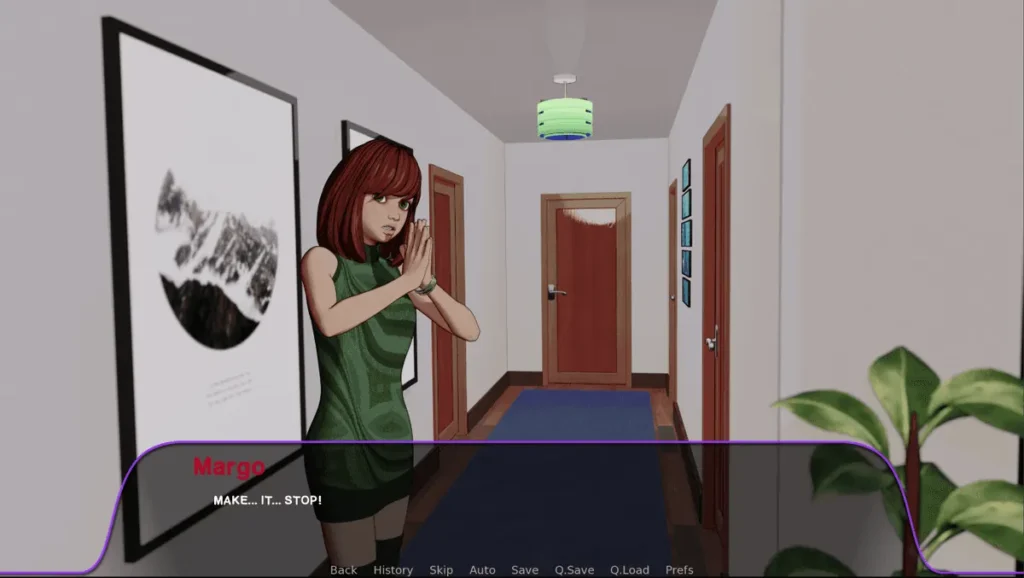
Corruption Time Screenshots



Corruption Time review
Master gameplay mechanics, character routes, and progression strategies
Corruption Time is a text-based adventure RPG that combines strategic gameplay with narrative-driven character interactions. Players navigate a complex world where choices directly impact character relationships, story progression, and available routes. This guide covers essential mechanics, character progression systems, and strategic approaches to maximize your gameplay experience. Whether you’re new to the game or looking to optimize your playthrough, understanding the core systems will help you unlock all available content and achieve your desired outcomes.
Understanding Core Gameplay Mechanics in Corruption Time
Let me tell you about the first time I played Corruption Time. 🤦♂️ I jumped right in, clicking on every shiny option, trying to befriend everyone at once, and blowing my hard-earned cash on the first fancy interaction I saw. Big mistake. By the end of the first in-game week, my main character’s relationships were stagnant, my wallet was empty, and I was hopelessly stuck, unable to progress any of the story threads I’d started. I had to restart completely.
That painful lesson taught me one thing: mastering Corruption Time gameplay mechanics is not optional; it’s the absolute foundation. This isn’t a game where you can just wing it. The systems governing your choices, your money, and your movement are deep, interconnected, and full of consequence. Think of this chapter as your pre-game boot camp. We’re going to break down the core systems—the character progression system, the ruthless in-game currency management, and the strategic location navigation guide—so you can build a powerful save file from day one.
How Character Progression Works
At its heart, Corruption Time is a game about influence and change. Your progress isn’t measured by a traditional experience bar, but by the subtle (and sometimes not-so-subtle) shifts in the characters around you. 🧠 This character progression system is a web of affinity, corruption, and story flags.
Every major character has an internal meter tracking their relationship with you and their current… state of mind. You don’t see a numerical value, which is key to the immersion. Instead, you must read their dialogue, observe their reactions, and note which new options become available. Advancing a relationship isn’t just about being nice; it’s about saying the right thing at the right time and, crucially, making the necessary investments.
Pro Tip: Keep a notepad or a simple text file open. Jot down character reactions to specific choices. Did mentioning a certain topic open a new dialogue branch later? This manual tracking is one of the best Corruption Time tips and tricks for serious players.
Unlocking new interactions often requires a combination of factors: reaching a certain relationship threshold, having completed specific story events, and possessing enough currency. For example, you might need to have three positive encounters with a character at the TV station before a more private option unlocks at their home. This is the essence of how to unlock new routes. It’s a puzzle where the pieces are your choices and resources.
The system is designed to feel organic. A character won’t suddenly spill their deepest secrets because you bought them one coffee. You need to build trust, exploit vulnerabilities, and guide them down a path. Miss a key interaction window—often tied to visiting a location on a specific day—and you might permanently close off a branch, forcing you to adjust your entire game progression strategy.
Managing Resources and Currency
If the character system is the brain of Corruption Time, then the economy is its beating heart—and it has no pity for the unprepared. 💸 In-game currency management is arguably the most decisive skill you can develop. Money is finite, replenished slowly through minor events or by advancing the main story, and the costs for meaningful actions are high.
Let’s talk real numbers, because this is where new players get wrecked. Want to have a significant, relationship-altering interaction with a main character? Budget for it. Common major interactions can cost around $3000. More casual meetings or activities might run you $600. Spend that $3000 on the wrong person at the wrong time, and you could be broke for several in-game days, unable to capitalize on other opportunities that arise.
Your financial strategy must be ruthless. Ask yourself before every purchase:
* Does this directly advance my current primary goal with a specific character?
* Is this a unique opportunity that might not come again, or can it wait?
* Have I exhausted all the free or low-cost dialogue and exploration options in this location first?
Here’s a breakdown of typical costs to help you plan. Remember, these can vary slightly based on your choices and story progress:
| Action Type | Location Examples | Typical Cost Range | Strategic Purpose |
|---|---|---|---|
| Major Character Event | Private Estate, Luxurious Venue | $2,500 – $3,500 | Unlocks a new story branch or significantly alters a relationship path. |
| Social Activity / Gift | Mall, TV Station Lounge, Sanctuary | $500 – $800 | Builds affinity, unlocks minor new dialogue options, or accesses a new area. |
| Travel & Access | Moving between districts, Special Clubs | $200 – $400 | Enables location-specific progression. Often a prerequisite for higher-cost events. |
| Information & Hints | Back alleys, Certain NPCs | $100 – $300 | Reveals hidden details about a character’s schedule or preferences. |
My personal rule? I never let my cash reserve drop below $2000 unless I am deliberately triggering a pivotal story moment. This buffer allows me to adapt when an unexpected chance meeting presents a golden opportunity. This disciplined approach to in-game currency management is non-negotiable for a smooth game progression strategy.
Navigating Game Locations and Areas
The world of Corruption Time isn’t open; it’s a curated stage where your presence is a statement. 🗺️ Your location navigation guide begins with understanding that where you go is just as important as what you do. The game’s map is a collection of key zones like the tranquil Sanctuary, the glamorous Utopia complex, the busy TV Station, and various private homes and city districts.
Movement is menu-based. You select your destination from a list, which consumes a small amount of time (and sometimes money). The magic lies in the schedule. Characters move between locations on a fixed daily and weekly rhythm. The true art of navigation is learning these patterns.
Finding Character A at the Sanctuary on Monday morning might yield a calm, reflective conversation. Finding them at the TV Station on Thursday afternoon could trigger a stressed, volatile interaction that opens a different path. This scheduling is a core Corruption Time gameplay mechanic.
Each location has a pool of available actions, which expand as you progress. Early in the game, the TV station might only offer casual lobby chats. Later, after certain story flags, you might gain access to dressing rooms, production offices, or after-hours events there. Progress begets access.
To get you started, here is a step-by-step location progression checklist I wish I had on my first playthrough:
- The Initial Scout: In your first game day, visit every available location once. Don’t spend money. Just see who is where and note the basic, free interaction options.
- Identify Anchors: Pick 1-2 primary characters to focus on. Map out their visible location schedule over 2-3 in-game days.
- Unlock the Hub: Often, a location like the “Sanctuary” or a central apartment acts as a hub. Prioritize story actions that permanently add new options to this hub, as it’s usually free to revisit.
- Sequential Unlocking: Focus on one location “depth” at a time. For example, fully explore the TV station’s lobby and free areas before spending to unlock the next tier of access there.
- Time Your Moves: Plan your day backward from your target. If you need to meet someone at Utopia at night, ensure you have the cash for entry and that you haven’t wasted your earlier time slot on a low-value action elsewhere.
This structured approach to navigation is how you efficiently unlock new routes. By controlling your movement with purpose, you ensure you’re always in the right place at the right time, with the resources needed to act. It turns the map from a confusing menu into a strategic chessboard.
Mastering these three pillars—the nuanced character progression system, the strict in-game currency management, and the strategic location navigation guide—transforms your experience. You’ll stop reacting to the game and start directing it. You’ll see the matrix of choices, costs, and schedules, and you’ll wield it to craft your perfect story. Remember, in Corruption Time, knowledge of these gameplay mechanics isn’t just power—it’s the key to unlocking the entire, intricate world waiting for you. Now, go build your strategy. 🏆
Corruption Time offers a rich, choice-driven experience where strategic planning and careful progression management directly impact your ability to access all available content. By understanding the core mechanics, planning your character progression sequence, and avoiding common pitfalls, you can maximize your enjoyment and achieve complete game mastery. The key to success lies in taking time to explore all available options before committing to irreversible decisions, maintaining awareness of character-specific requirements, and following recommended progression orders. Whether you’re experiencing the game for the first time or refining your approach on subsequent playthroughs, these strategies will help you unlock the full depth of what Corruption Time has to offer.