
Fates Collide
Play Fates Collide
Fates Collide Screenshots






Fates Collide review
Exploring gameplay mechanics, storytelling, and character development in this narrative-driven experience
Fates Collide stands out in the visual novel genre as a title that combines compelling narrative design with meaningful character interactions. Drawing inspiration from acclaimed works in the adult gaming space, this game has garnered attention for its thoughtful approach to storytelling and relationship dynamics. Whether you’re a seasoned visual novel enthusiast or exploring the genre for the first time, understanding what makes Fates Collide unique can help you decide if it’s the right experience for you. This guide explores the game’s core features, narrative structure, and what players can expect from their journey.
Understanding Fates Collide: Gameplay and Core Mechanics
Let’s be honest: when you hear “adult visual novel,” a certain set of expectations forms in your mind. Maybe it’s a straightforward romance, or perhaps a story where the narrative feels like a mere scaffold for other content. Fates Collide shatters that mold entirely 🎭. From the moment I started my first playthrough, it was clear this wasn’t just another title in the genre; it was a masterclass in weaving intricate Fates Collide gameplay into a rich, emotional tapestry. The experience is built on a foundation of exceptional writing, stunning character rendering, and a profound respect for player agency, making every choice feel heavy with consequence.
At its heart, Fates Collide is a narrative-driven journey where your decisions are the compass. But to call it a simple “choose-your-own-adventure” would be a massive disservice. The visual novel mechanics here are engineered for depth, creating a living world that reacts to your personality, your whims, and your mistakes. This chapter is your guide to understanding that machinery. We’ll peel back the layers on what makes this game tick, from the heart-pounding moments of dialogue choice to the slow, satisfying burn of its character relationship system.
What Makes Fates Collide Different From Other Visual Novels
So, what’s the secret sauce? 🤔 I’ve played my fair share of visual novels, and many fall into comfortable patterns. Fates Collide stands apart by treating every element—art, writing, and systems—as equally crucial to the holistic experience. It’s not just a story you read; it’s a world you inhabit and shape.
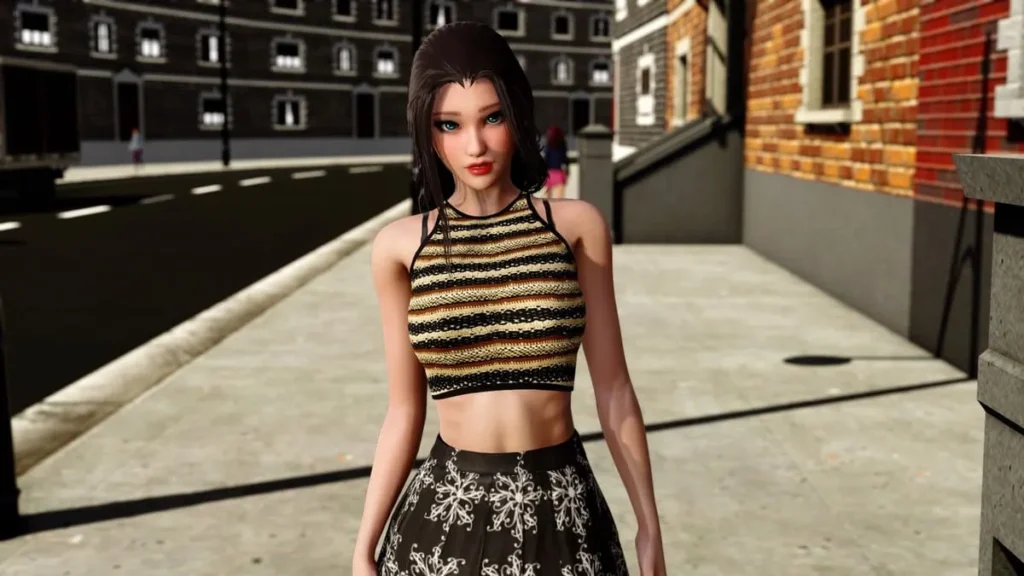
First, the presentation is nothing short of breathtaking. The character models are rendered with a level of detail and expressiveness that’s rare in the genre. A subtle shift in the eyes, a faint tremor of a lip—these aren’t just static portraits but dynamic actors conveying layers of subtext. This visual fidelity works hand-in-hand with the superb dialogue writing. The conversations feel authentic, weighted, and character-specific. You’re not just selecting from a list of canned responses; you’re engaging in a genuine exchange that reveals who you are as the protagonist.
This commitment to quality creates a unique tone and atmosphere. The game isn’t afraid to balance lighter, humorous moments with scenes of genuine tension, vulnerability, or introspection. The writing style is sharp, witty, and emotionally intelligent, ensuring you’re invested in the Fates Collide story beyond its surface-level hooks. It’s this polished fusion of sight and sound that lifts the entire Fates Collide gameplay loop.
Beyond the surface, the core visual novel mechanics are designed for meaningful engagement. Here are the key features that define the experience:
- A Dynamic Relationship Matrix: Connections aren’t binary (like/dislike). Each major character has a multi-faceted opinion of you that changes independently.
- Context-Aware Choices: Your available dialogue options can shift based on your past decisions, your knowledge of a character, and even the current story mood.
- The “Memory” System: The game remembers seemingly minor interactions, and characters will reference them later, creating a powerful sense of continuity.
- Atmospheric CGs: Key story moments are captured in beautiful, unique artwork that reflects the outcome of your choices, making your path feel visually distinct.
- Pacing Control: While narrative-driven, the game offers thoughtful pacing options, allowing you to linger on a beautiful scene or quickly recap previous events.
The game draws clear inspiration from acclaimed narrative-driven titles, learning from their strengths in branching narrative gameplay and character writing. However, it carves its own niche by placing an unparalleled emphasis on the cause and effect of relationships as the primary driver of the plot. Your bond with one character doesn’t exist in a vacuum; it can open doors with some while irrevocably closing them with others.
Character Development and Relationship Systems
If the narrative is the heart of Fates Collide, then the characters are its soul 💖. This is where the game truly excels. Character development isn’t a linear track you unlock; it’s an organic, sometimes messy, process that you directly cultivate through the dialogue system game. Each primary character is crafted with a compelling backstory, complex motivations, and believable flaws. You don’t just learn about them; you learn with them as the story progresses.
The true genius lies in the character relationship system. Forget simple meters that fill up with “correct” choices. Relationships in Fates Collide are multidimensional. Think of it like this:
| Relationship Dimension | What It Represents | How It Manifests |
|---|---|---|
| Trust | How much a character believes in your honesty and reliability. | They may share secrets, ask for help in vulnerable moments, or take your word without question. |
| Affinity | The personal “click” or fondness a character feels toward you. | Influences casual dialogue, inside jokes, willingness to spend informal time together, and romantic potential. |
| Respect | Their regard for your judgment, competence, or principles. | Affects whether they heed your advice in critical situations or consider you a leader in group dynamics. |
| Conflict ⚔️ | Not inherently negative; represents the intensity of ideological or personal friction. | Can lead to heated arguments, but resolving these clashes can deepen a relationship more than constant agreement. |
These dimensions shift independently based on your actions. You might gain someone’s Respect by making a tough, principled decision, but simultaneously lose Affinity because the choice hurt them personally. This creates wonderfully complex character dynamics. I remember one playthrough where I bonded deeply with a character over shared ideals (high Respect/Affinity), but a later, necessary betrayal of their trust to serve the greater good cratered that Trust dimension. The subsequent interactions were painfully realistic—full of warmth for our shared history but underlined with a heartbreaking layer of caution and distance.
This system makes every conversation a delicate dance. The dialogue system game is your tool for navigation. Options aren’t just “Kind,” “Funny,” or “Flirt.” They are nuanced reflections of attitude: “Defend with logic,” “Challenge playfully,” “Show empathetic silence,” or “Divert with a personal anecdote.” Choosing an option isn’t about gaming a meter; it’s about deciding who you want to be in that relationship at that moment. The progression of these bonds directly unlocks new story branches, private scenes, and deeper understanding of the Fates Collide story, making your investment feel tangibly rewarded.
Narrative Choices and Their Impact on Gameplay
This brings us to the engine of it all: your decisions. In Fates Collide, narrative choices are the stitches that sew your unique story together. This isn’t an illusion of choice; it’s the genuine architecture of a branching narrative gameplay experience. The game masterfully employs a “butterfly effect” design, where a seemingly casual remark in Chapter 2 can dramatically alter the landscape of Chapter 6.
The impact operates on multiple levels:
- Immediate Character Reaction: As discussed, your choice directly alters relationship dimensions in real-time, changing the dialogue that immediately follows.
- Plot Branching: Major decisions create narrative forks. These aren’t always obvious “Left Path or Right Path” choices. Sometimes, refusing to help a character with a personal task might not lock you out of their route immediately, but it will remove a key piece of information you would have gained, forcing you to navigate a future crisis blindfolded 🕶️.
- World State Changes: Your actions can change the status quo of the game’s world. An ally you cultivate might appear later to provide crucial aid. A faction you slighted could become a persistent obstacle.
- Thematic Resonance: Your cumulative choices define the thematic core of your Fates Collide story. Will it be a tale of redemption, ruthless pragmatism, unwavering loyalty, or something more bittersweet?
Pro Tip: Don’t save-scum through your first playthrough! The weight and consequence of your decisions are what make the Fates Collide gameplay so memorable. Living with your mistakes (or your brilliant calls) is part of the authentic narrative experience.
Let’s look at a concrete example. Imagine a scenario where two allies, Alex and Sam, are in a fierce disagreement over how to handle a discovered threat. Alex advocates for a direct, confrontational approach. Sam urges caution and subterfuge.
- Choice A (Side with Alex): You gain significant Respect from Alex and like-minded characters. The story moves to a tense confrontation sequence. However, Sam’s Trust in your judgment plummets. Later, Sam might withhold vital intelligence, believing you’ll just “smash through” the problem, leading to unforeseen complications in a future mission.
- Choice B (Side with Sam): You strengthen your bond of Trust with Sam. The story continues with a stealth-based mission, introducing new gameplay scenarios and characters you wouldn’t meet on the confrontational path. Alex now sees you as indecisive, affecting your dynamic in future group leadership challenges.
- Choice C (Propose a Third Way): This option might only be available if you’ve previously built high Respect with both characters or uncovered specific lore earlier. It could lead to a riskier, more innovative solution that surprises everyone, potentially unlocking a unique story branch that blends elements of both paths.
This example shows how a single decision ripples outward, affecting relationships, immediate plot, and long-term branching narrative gameplay. It makes every click meaningful. You’re not just watching a story unfold; you’re the author, for better or worse.
The culmination of all these systems—the razor-sharp writing, the deep character relationship system, and the consequential narrative choices visual novel design—is a profoundly personal experience. Your version of the Fates Collide story will be uniquely yours, colored by the alliances you forged, the hearts you may have broken, and the principles you chose to uphold. It demonstrates that in the hands of skilled developers, the visual novel mechanics format can deliver an interactive narrative with as much depth, agency, and emotional resonance as any other genre. This is more than a game; it’s a place where fates truly do collide, and you hold the power to decide the shape of the aftermath 🌌.
Fates Collide represents a thoughtful entry in the visual novel genre, combining quality character development with meaningful narrative choices. The game’s attention to character rendering, dialogue quality, and relationship systems creates an engaging experience that appeals to players seeking depth beyond surface-level storytelling. Whether you’re drawn to the game’s narrative complexity, character interactions, or overall atmosphere, Fates Collide offers a substantial experience worth exploring. If you’re interested in visual novels that prioritize character development and player agency, this title deserves consideration in your gaming library.