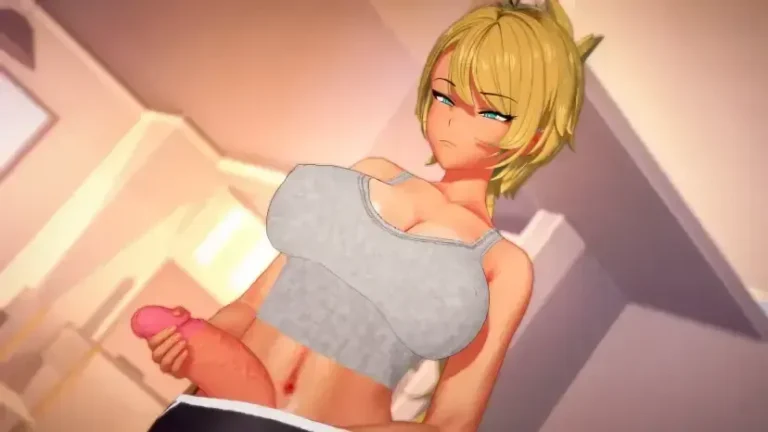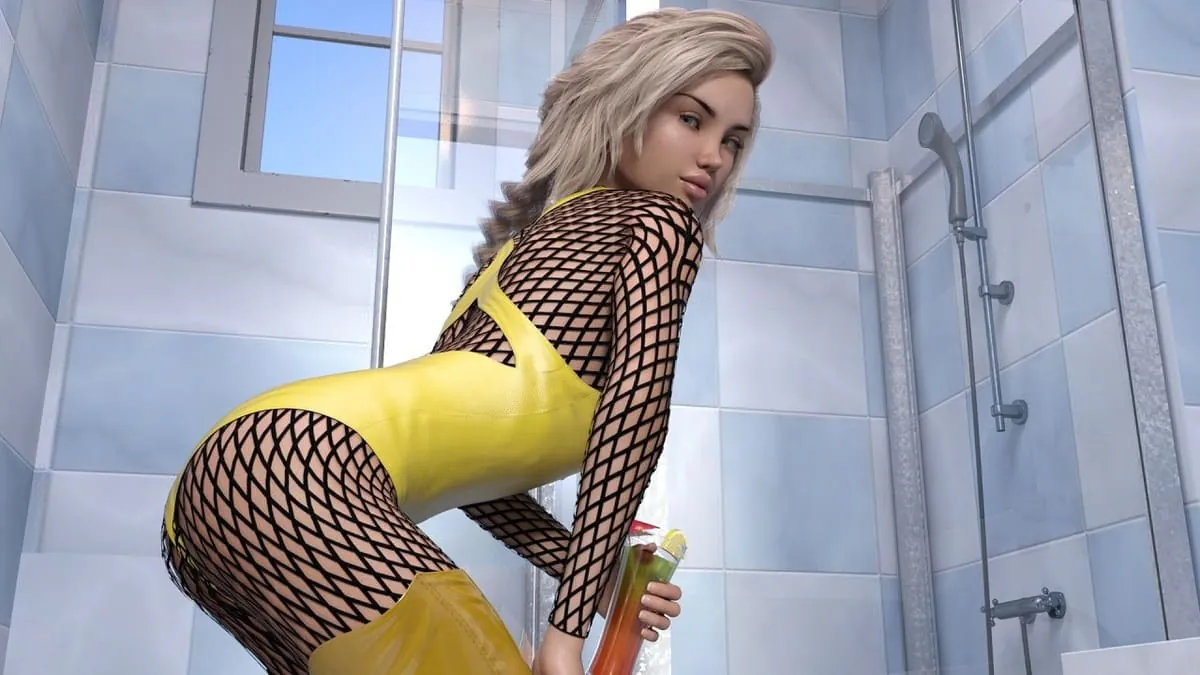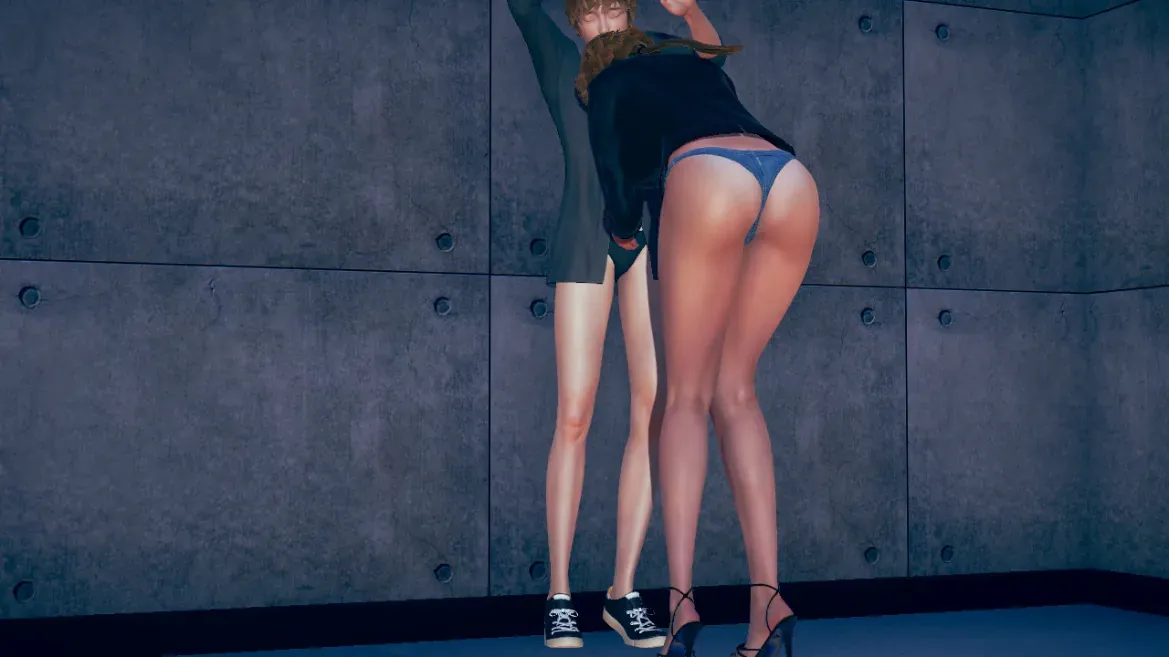
Futa’s World of NTR
Play Futa’s World of NTR
Futa’s World of NTR Screenshots
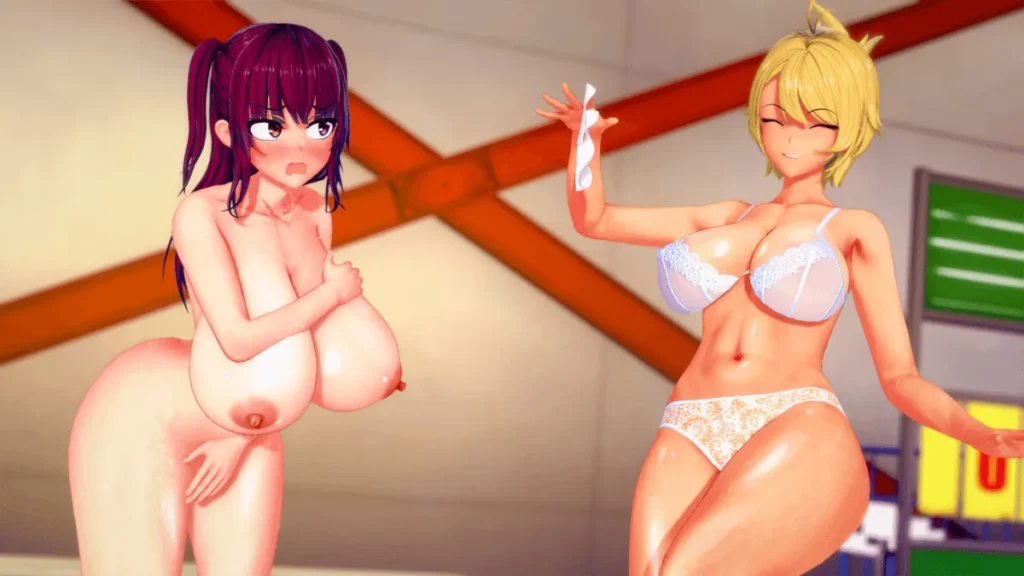
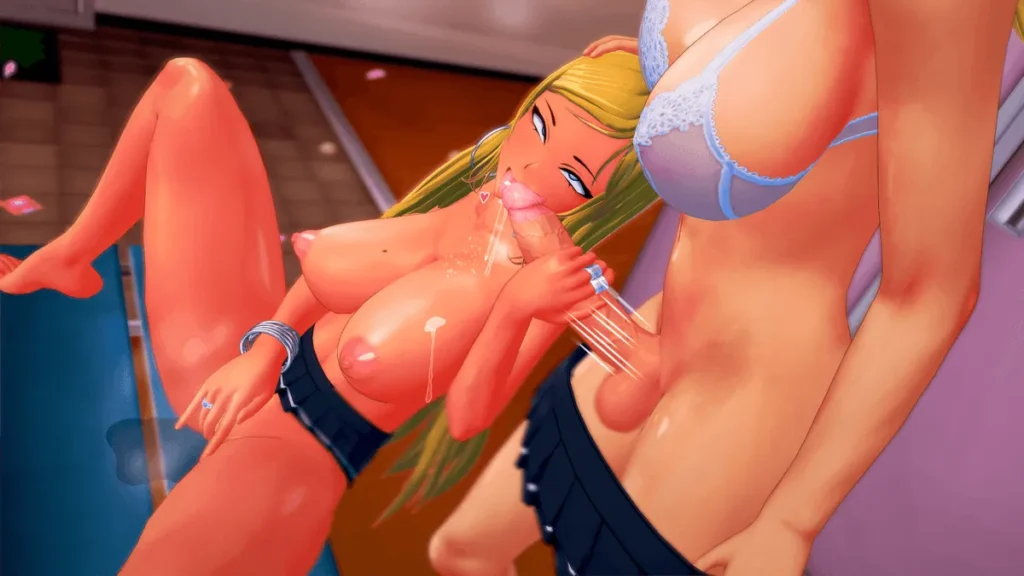
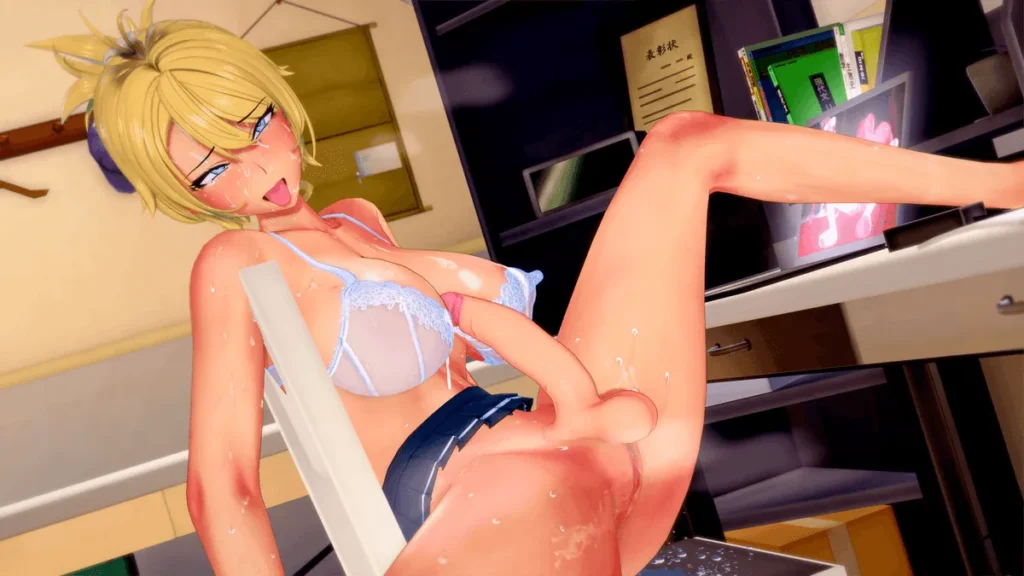
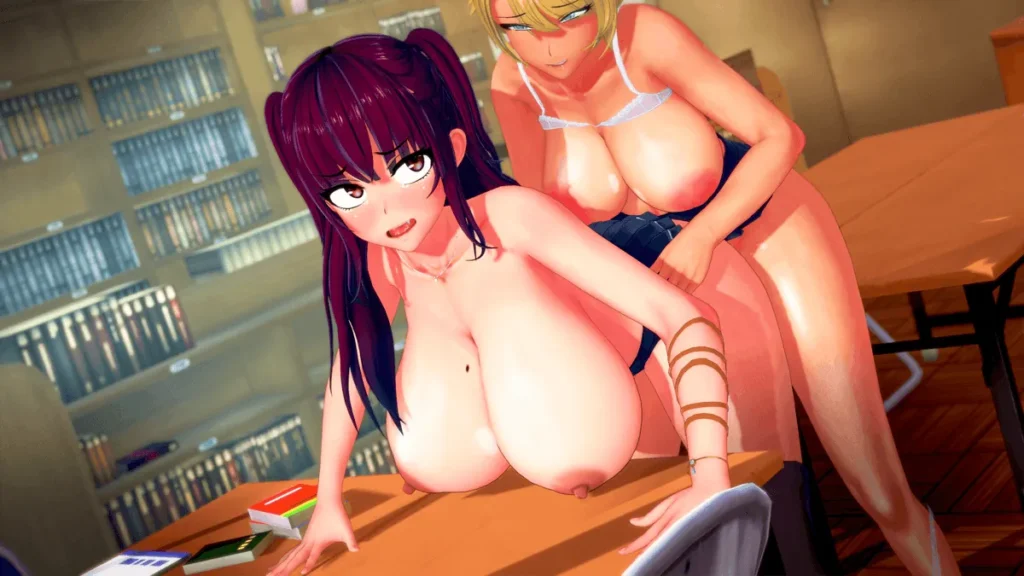

Futa’s World of NTR review
A player-focused walkthrough, strategy tips, and personal insights on Futa’s World of NTR
This guide dives into Futa’s World of NTR with firsthand impressions and practical advice to help you get the most from the game. Futa’s World of NTR is a niche visual novel and interactive title with branching routes, explicit scenarios, and complex relationship mechanics—this piece covers setup, walkthroughs, tips, and my own playthrough notes to help you navigate its content and choices.
Game Overview and Story (Futa’s World of NTR)
So, you’ve stumbled across Futa’s World of NTR and you’re wondering what you’re getting into. 🤔 Maybe a friend mentioned it, or you saw some intriguing artwork. I was in the same boat a while back, scrolling through itch.io late one night, looking for something with a bit more… narrative spice than the usual fare. The title alone sets certain expectations, doesn’t it? Let me pull up a chair and give you the real, player-focused lowdown. This isn’t just another adult game; it’s a specific, emotionally charged experience that deserves a proper guide.
In this chapter, we’re going to crack open the core of this visual novel. We’ll explore the Futa’s World of NTR overview, dig into the Futa’s World of NTR story, meet the key Futa’s World of NTR characters, and break down the game themes and tone. Consider this your friendly map before you dive into the deep end. 🗺️
What is Futa’s World of NTR?
At its heart, Futa’s World of NTR is a branching narrative visual novel built in Ren’Py. If you’re new to the genre, think of it as an interactive storybook where your choices directly steer the plot, relationships, and ultimately, the ending you receive. The “adult” tag is earned—this is a mature game with explicit sexual content, but to dismiss it as merely that would be a huge mistake. The content is integral to the plot and character development, not an afterthought.
The core premise drops you into a seemingly ordinary modern setting that’s subtly—and then not so subtly—tilted. You play from a specific character’s perspective, navigating a social circle where desires, secrets, and power dynamics collide. The “Futa” aspect refers to the presence of characters with both male and female physical traits, and “NTR” (Netorare) sets the stage for storylines involving romantic or sexual rivalry, jealousy, and possessiveness. This isn’t a game about simple, happy-go-lucky romance. It’s about complex, often fraught connections, where trust is fragile and motivation is everything.
My first boot-up was filled with curiosity and a bit of apprehension. I’d grabbed it from a bundle on itch.io, expecting something purely sensationalist. What I found, after the initial scenes, was a game that was deeply committed to its own internal logic and character psychology. The Futa’s World of NTR overview isn’t complete without stating this: it’s a game that wants you to feel things—discomfort, tension, surprise, and even a strange empathy for situations you might not expect. It’s a psychological drama wearing the clothes of an adult visual novel.
Main characters and narrative arcs
The story lives and dies by its cast. You’re not just picking dialogue options; you’re deciding how your protagonist perceives and reacts to a web of other individuals, each with their own hidden agendas and emotional baggage. Understanding them is key to navigating the game’s many branches.
The central protagonist (whose specific role I’ll keep vague to avoid major spoilers) is often an everyperson figure, someone whose sense of normalcy is about to be completely unraveled. Your choices for them range from passive and observant to aggressively proactive, and each approach unlocks wildly different story beats. Are they trying to hold onto something? Or are they discovering a hidden part of themselves through the chaos?
Then come the catalysts—the other Futa’s World of NTR characters who drive the plot. There’s usually a central love interest or partner figure, whose actions and choices become the focal point of the drama. Surrounding them are rivals, friends, and enigmatic figures who all pull the strings. One character might represent temptation and freedom, while another embodies tradition and expectation. Your relationships with them aren’t binary; they exist on spectrums of trust, suspicion, attraction, and resentment.
The branching is impressive. Early, seemingly innocuous choices—like who to text back, or whether to attend a party—can funnel you into entirely different narrative routes hours later. One route might be a slow-burn tragedy of neglect, while another rockets into a power fantasy of dominance. I was genuinely stunned on my second playthrough by how a single different answer in Chapter 1 led me to a scenario where a character I’d previously seen as antagonistic became a vulnerable and complex ally. It completely reframed the entire Futa’s World of NTR story for me.
To help you keep everyone straight, here’s a quick reference table for the main players you’ll encounter:
| Character | Role | Route Impact |
|---|---|---|
| The Protagonist | Your avatar. Their personality is shaped by your choices, from meek to assertive. | Directly determines the core narrative path and ending achieved. |
| The Partner | The central figure in the relationship drama. Often caught between different desires and loyalties. | Their actions and secrets are the primary driver of the NTR-themed plots. Your choices influence their path. |
| The Rival | A charismatic and often bold figure who acts as a catalyst for change and conflict. | High impact. Engaging with this character can lead to routes focused on rivalry, corruption, or unexpected partnership. |
| The Confidant | A friend or side character who offers advice and alternative perspectives. | Medium impact. Can unlock specific scenes, provide crucial information, or offer a “safer” sub-route. |
| The Enigma | A mysterious figure whose motives are unclear. Often tied to the game’s lore. | Variable impact. Pursuing this character typically leads to the most lore-heavy and unconventional endings. |
Tone, themes, and intended audience
Let’s get straight to the point: the game themes and tone of Futa’s World of NTR are not for everyone. If you’re looking for a lighthearted, feel-good romance, you are in the wrong neighborhood. 🚫 The tone is consistently tense, psychosexual, and morally grey. The music and artwork work overtime to create an atmosphere that can feel claustrophobic, seductive, or painfully intimate by turns. You’ll spend a lot of time in dimly lit rooms, at tense social gatherings, and in moments of quiet, devastating realization.
The themes are where the game truly flexes its narrative muscles. It’s a deep dive into:
* Possession vs. Autonomy: What does it mean to “own” someone’s love or attention? The game constantly questions this.
* Jealousy as Motivation: It explores how jealousy can be destructive, but also strangely revealing and transformative.
* The Fluidity of Desire: Characters grapple with changing wants, often surprising themselves with where their attractions lie.
* Power Dynamics: Who holds the power in a relationship? It can shift from scene to scene, based on emotion, information, and sheer will.
* The Loss of Innocence: This isn’t just about sexual experience; it’s about the loss of a simpler worldview regarding love and trust.
A Personal Insight: The route that surprised me most wasn’t the most extreme one, but the one focused on “The Confidant.” It started as what I thought was a side story, but it morphed into a poignant tale about two people on the sidelines of the main drama, finding solace in each other’s understanding. It was quieter, sadder, and felt more real than any of the high-stakes rivalry plots. It proved the game has more emotional range than its premise might suggest.
Content Warnings Are a Must-Here: This game graphically depicts sexual content within the framework of emotional manipulation, infidelity, and psychological stress. If themes of jealousy, betrayal, or non-consensual dynamics (within a fictional, fantasy context) are triggering for you, this game will be a deeply uncomfortable experience. It does not shy away from the emotional fallout of its core concepts.
So, who should play this visual novel adult game summary? I’d recommend it to:
* Players interested in narrative-driven adult games where the plot is as important as the explicit content.
* Fans of psychological drama and morally complex characters.
* Those curious about the NTR genre who want a title that explores the “why” and “how” with more depth than sheer shock value.
* Visual novel veterans looking for a game with meaningful, impactful branching.
Conversely, you should likely avoid it if:
* You prefer straightforward, wholesome romantic stories.
* You are easily upset by fictional depictions of relationship trauma or infidelity.
* You dislike slower-paced, dialogue-heavy games.
Ultimately, my Futa’s World of NTR overview boils down to this: it’s a challenging, deliberately provocative experience. It’s a game I don’t “love” in a traditional sense, but I deeply respect its commitment to its vision. It doesn’t ask for your approval, just your attention. Understanding its story, characters, and heavy themes is the first step to deciding if you’re ready to give it. 🎭
Futa’s World of NTR is a branching visual novel that rewards careful choice management and multiple replays; this guide provided setup instructions, gameplay mechanics, strategic walkthrough tips, mod and community resources, and a candid personal review to help you decide whether to try it. If you enjoyed the tactical choice-driven narrative and want help unlocking a specific route, save this guide and try the suggested save-chain examples—then return to share your experience or ask for a targeted walkthrough.