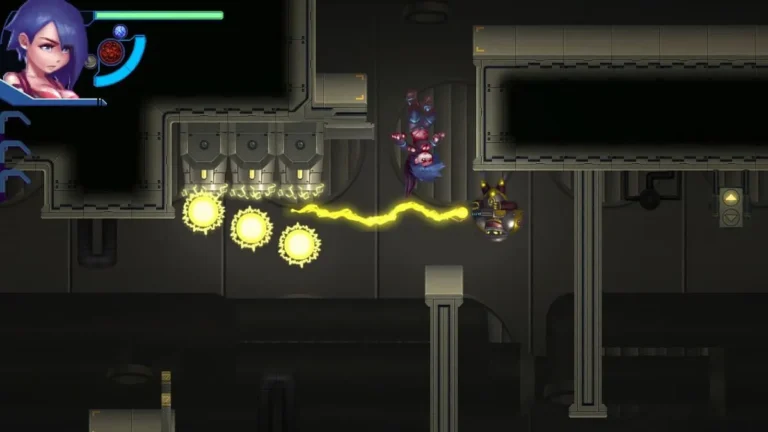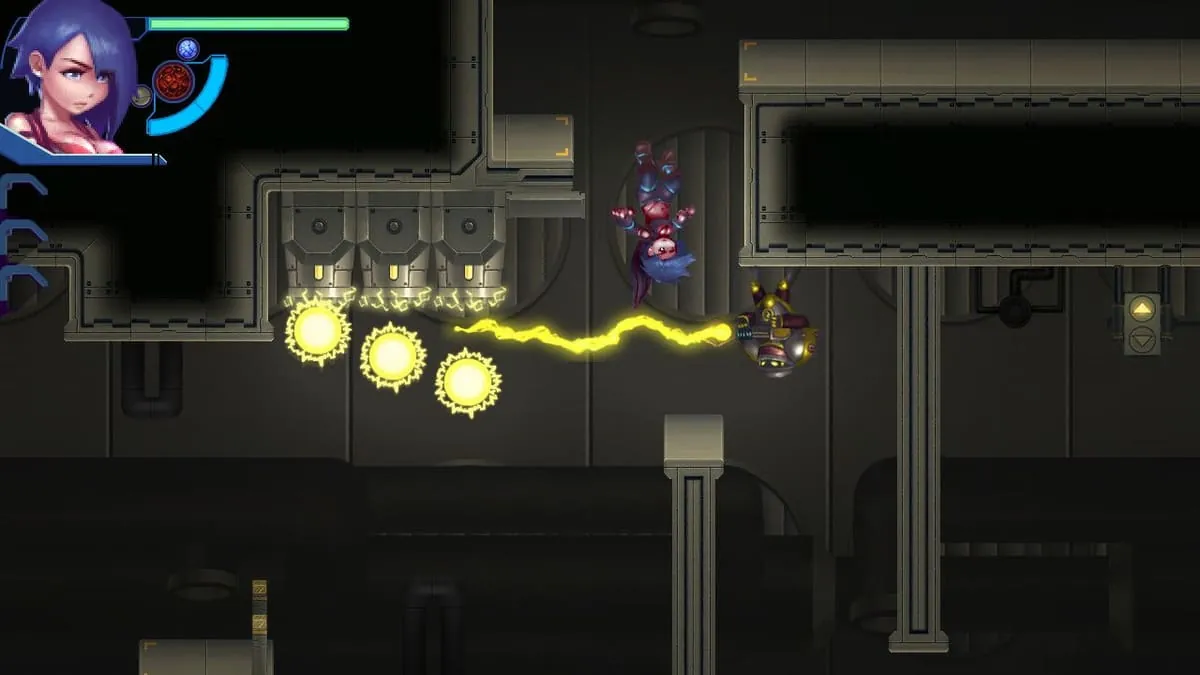
Future Fragments Screenshots

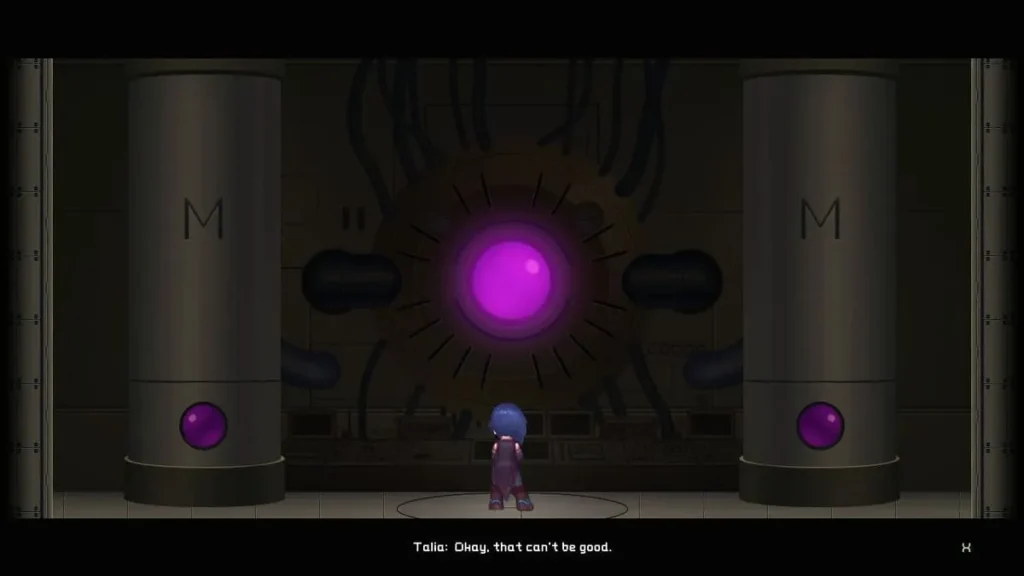
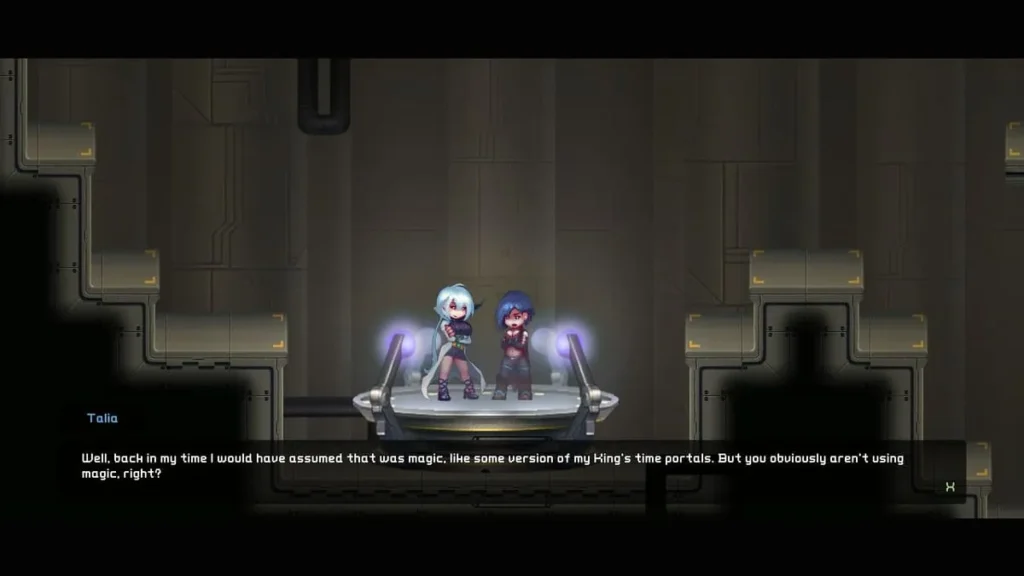



Future Fragments review
Story, gameplay, and practical tips for enjoying Future Fragments
Future Fragments is an adults‑only action platform game that mixes fast, arcade‑style movement with a branching story, character choices, and fully voiced dialogue. If you’ve seen screenshots or short clips and wondered whether Future Fragments is really worth playing as a game and not just for shock value, you’re in the right place. In this guide, I’ll walk you through how the core mechanics feel, what the story actually offers, how the different choices shape your run, and what surprised me after spending serious time with it. Think of this as a friendly, first‑hand briefing before you dive in yourself.
What Is Future Fragments and How Does It Play?
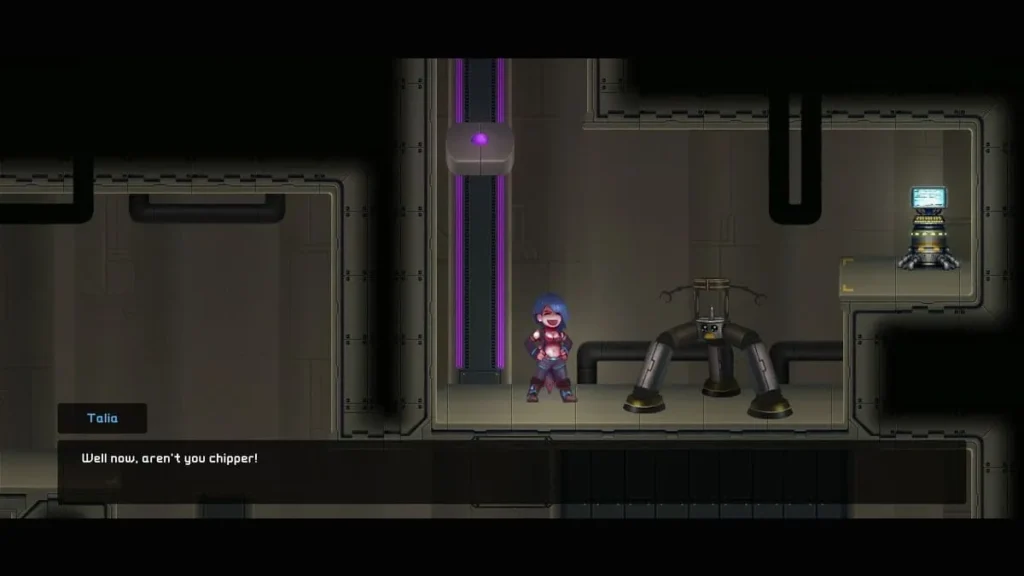
So, you’ve heard the name buzzing around and you’re wondering: what exactly is Future Fragments? 🤔 Let me break it down for you straight from the controller. At its heart, Future Fragments is a 2D action platform game designed for adults, but with a twist you might not expect. Yes, it has mature content, but it’s built on a solid foundation of genuine Future Fragments gameplay, a legitimately engaging Future Fragments story, and some surprisingly good Future Fragments voice acting. It’s not just a slideshow; it’s a game you actually play, where your reflexes and choices matter just as much as the, well, adult moments. Think of it as a sci-fi action comic book come to life, where you jump, shoot, and talk your way through a weird and dangerous future.
If you’re coming from more mainstream platformers or metroidvanias, you’ll find a familiar structure here, but wrapped in a uniquely bold package. The big question on many minds is, “is Future Fragments worth playing?” For players looking for something different that blends skill-based action with a narrative that reacts to you, the answer is a resounding maybe—and this guide will help you figure out if that “maybe” is a “yes” for you. Let’s dive in.
Core premise and setting of Future Fragments
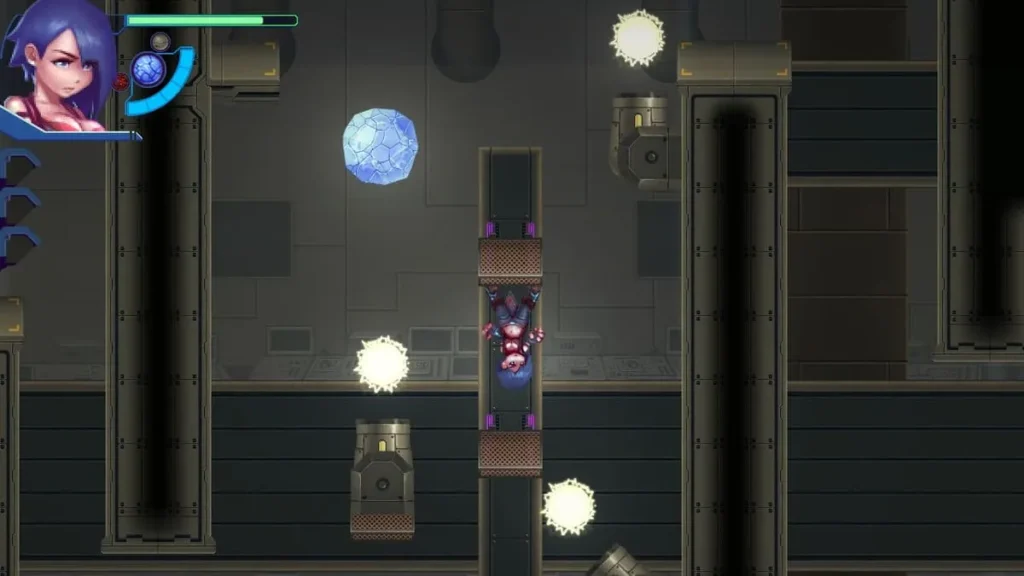
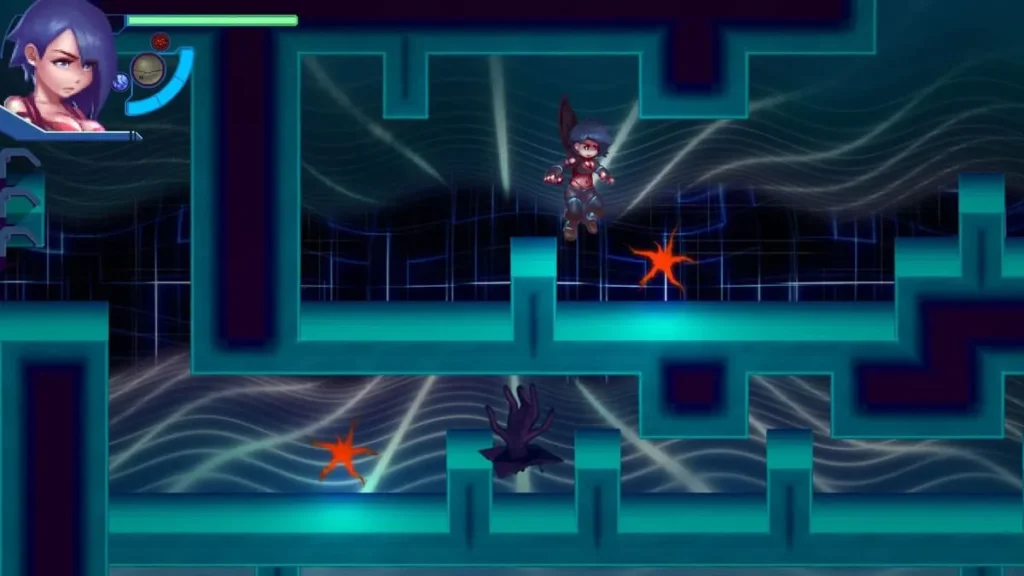
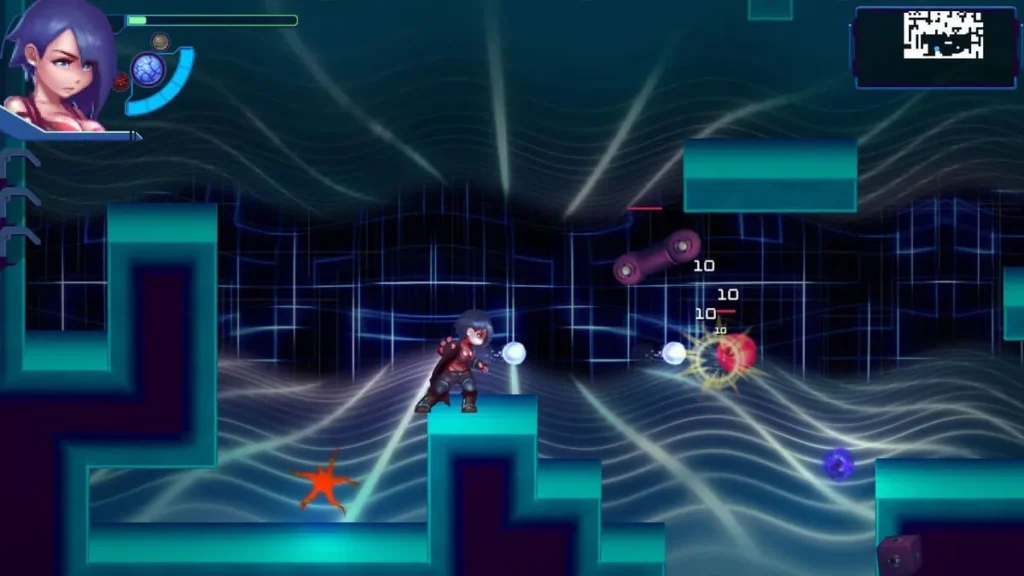
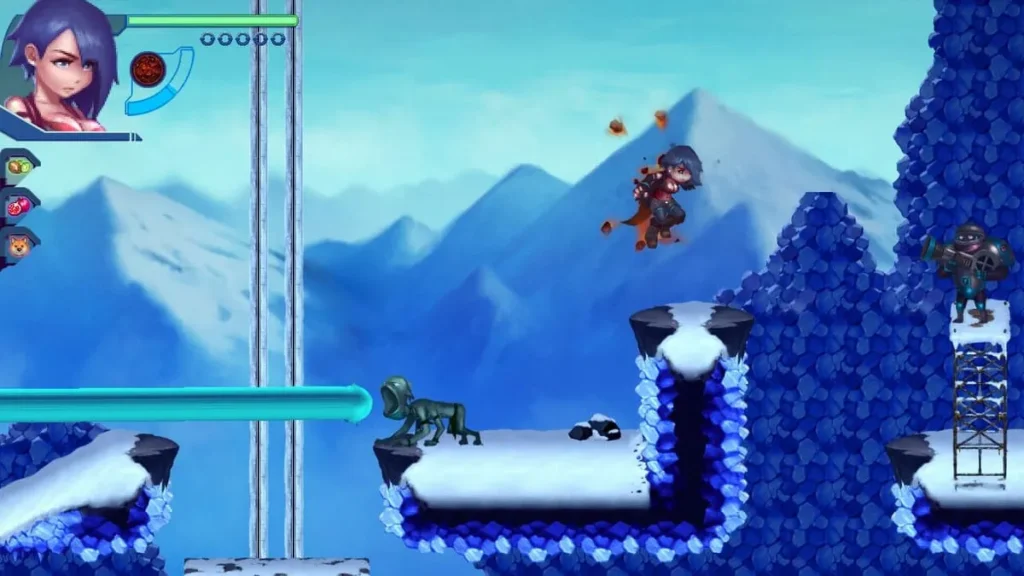
The world of Future Fragments is a fragmented, neon-drenched future where technology has gone beautifully, horribly wrong. 🏙️⚡ You step into the boots of the protagonist, navigating a series of isolated, themed zones that each feel like their own little broken world. Without diving into graphic specifics, the premise involves exploring these hazardous environments to uncover pieces of a larger mystery—the “fragments” of the title. Each level is a new biome of danger, from sterile laboratory complexes overflowing with chaotic energy to ancient, digitally-corrupted archives.
The tone masterfully walks a tightrope. One minute you’re dealing with serious sci-fi stakes and the haunting echoes of a fallen world, and the next, the game might hit you with a piece of delightfully tongue-in-cheek humor from a fully voiced character. It never takes itself too seriously, which makes the world feel lived-in and oddly charming, despite the dangers. This is a key part of the Future Fragments story experience; it’s a narrative with peaks and valleys, not a constant, grim slog.
Structurally, the game is level-based. You select a zone, dive in, and work through its challenges. Each area introduces new enemy types, environmental hazards, and, crucially, new story beats and character interactions. This is what separates it from being a simple gallery. The gameplay and the story are interlocked—you’re progressing through a platform game to unlock the next piece of dialogue, the next character moment, the next choice. The adult content is woven into the fabric of the world and the plot, rather than feeling tacked on.
To sum up the core experience, Future Fragments stands on four main pillars:
* Fast, Responsive Platforming: Getting from point A to point B is a test of skill.
* Satisfying Combat: Learning enemy patterns and using your tools effectively is key.
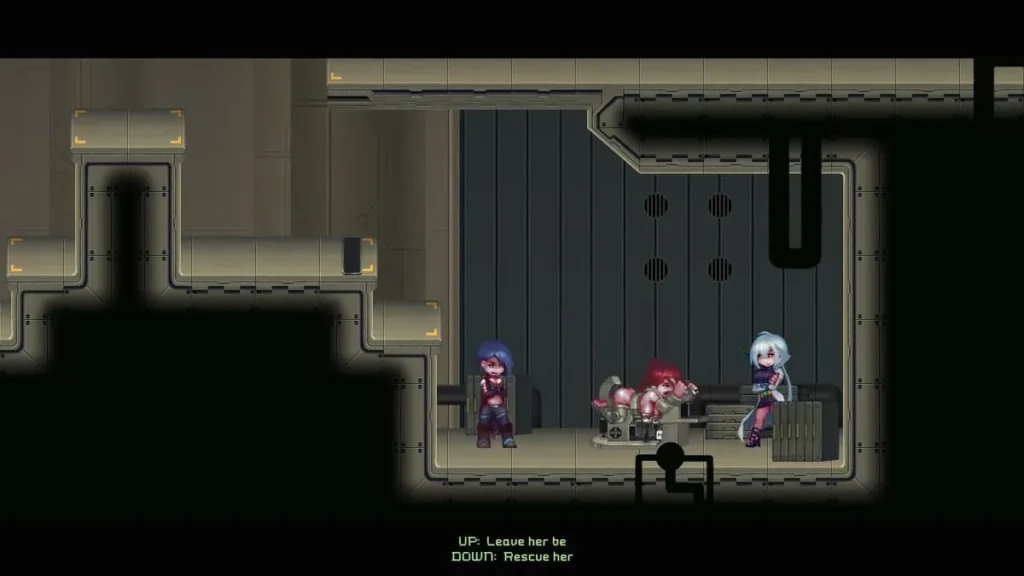
* A Branching Narrative: Your choices in dialogue shape relationships and lead to different scenes and endings.
* Full Voice Acting: The entire story is voiced, adding immense personality to the world.
This blend makes it a truly unique entry in the adult action platform game genre.
How the platforming and combat actually feel
Alright, let’s talk about the meat and potatoes: the Future Fragments gameplay. This is where the game proves its mettle as a real, skill-based experience. 🎮
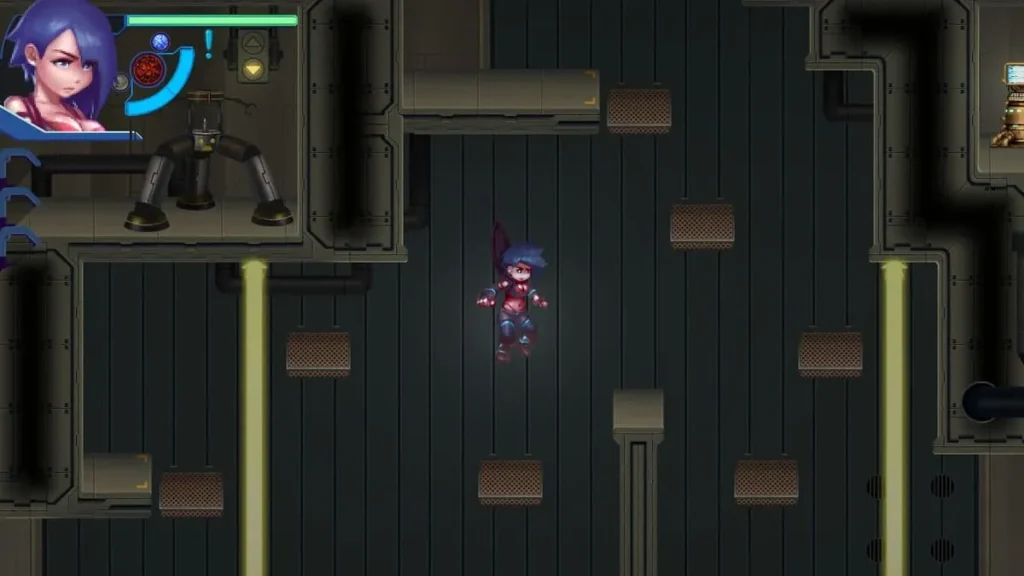
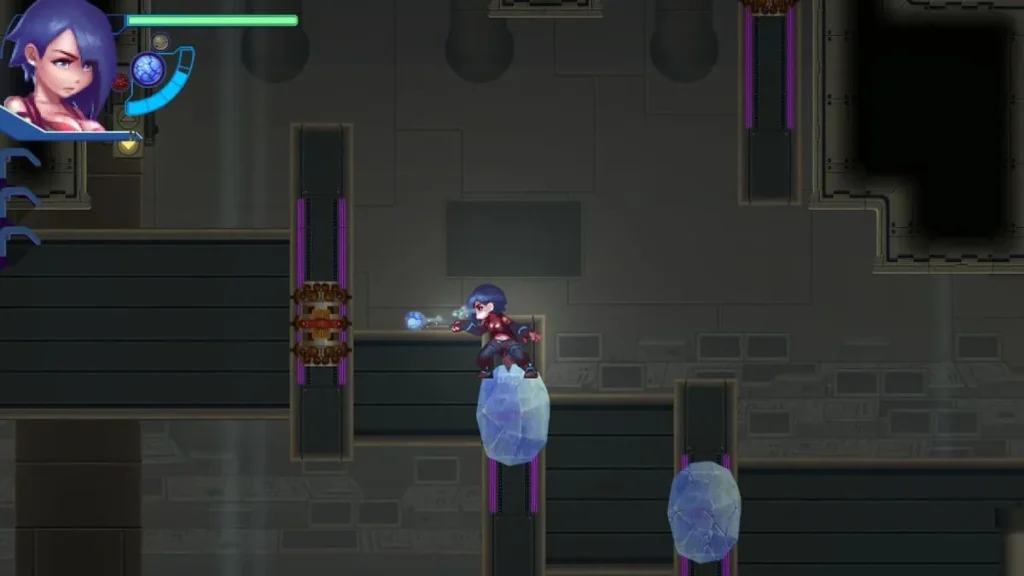
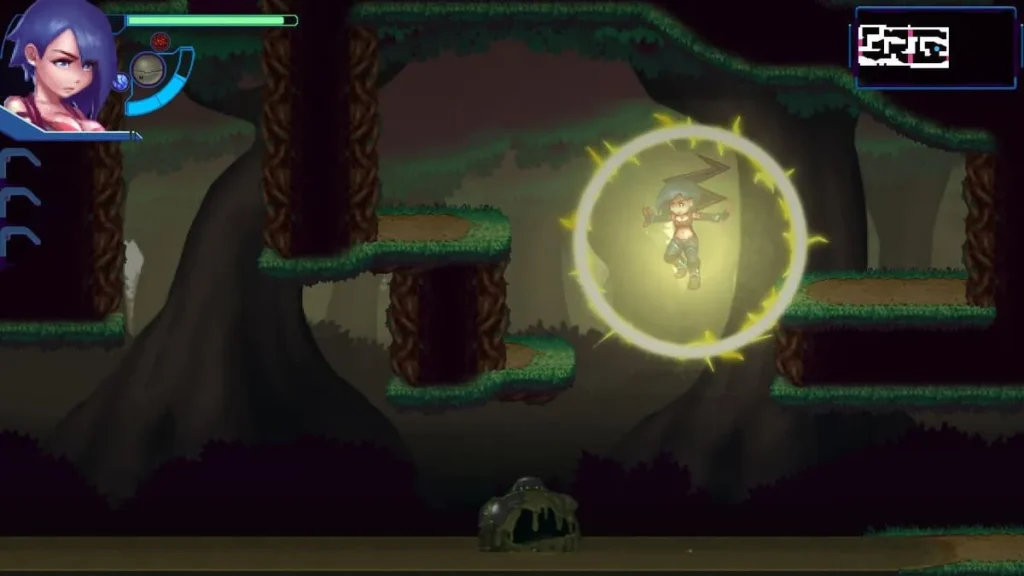
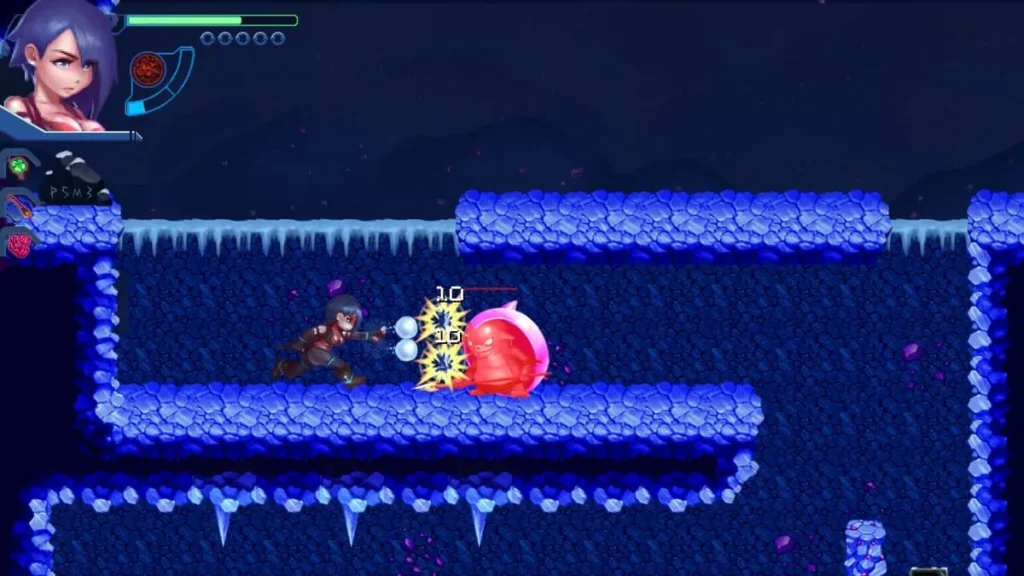
Movement feels crisp and responsive. Your character has a weighty but agile feel, with a reliable double jump that becomes your best friend. Many areas also grant you a dash or similar mobility tool, which is essential for zipping over spikes, dodging projectile barrages, and repositioning in combat. The game actively encourages speed and precision; hanging around in one spot is often a recipe for a quick “Game Over” screen. You need to keep moving, keep jumping, and keep assessing the room.
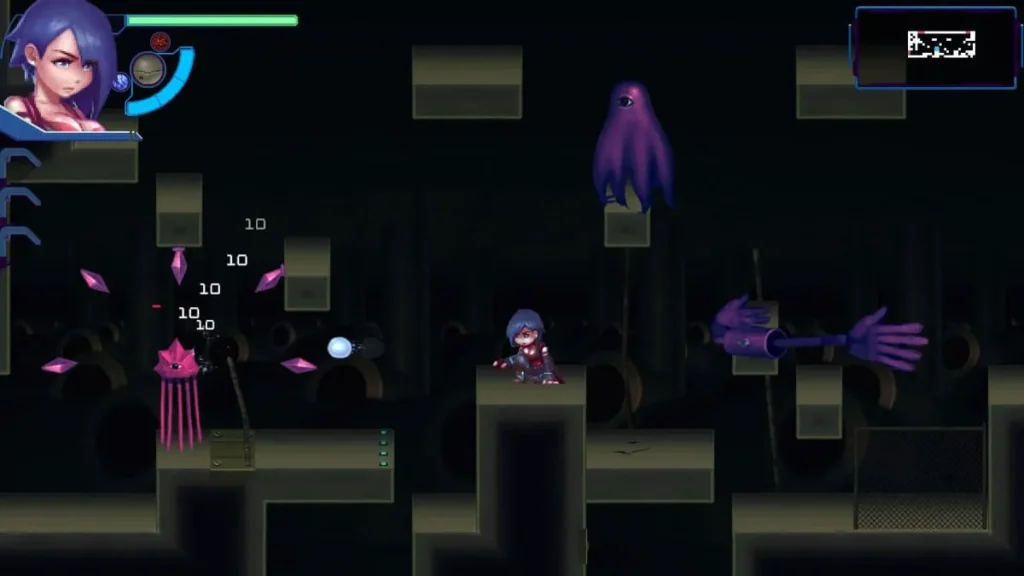
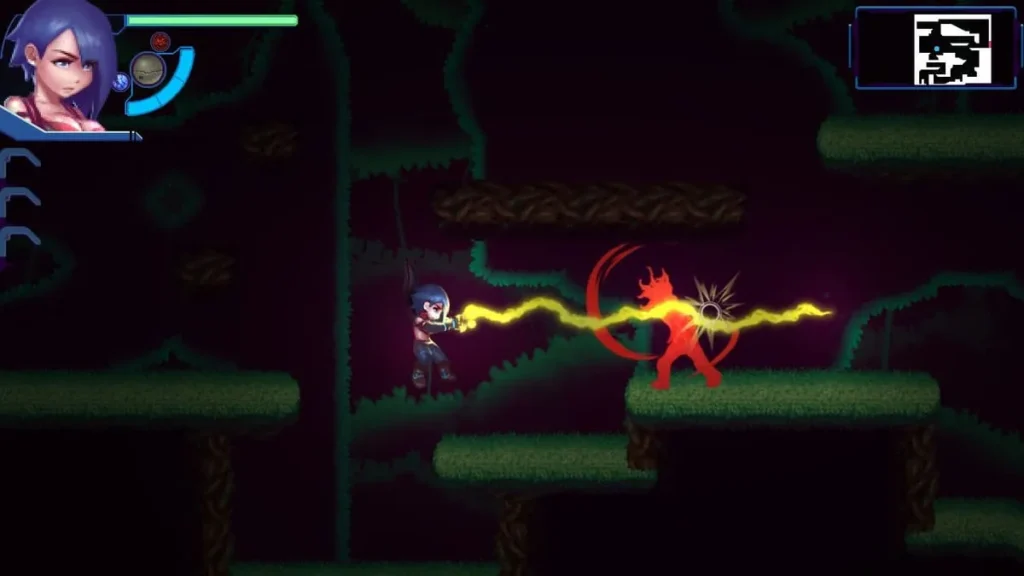
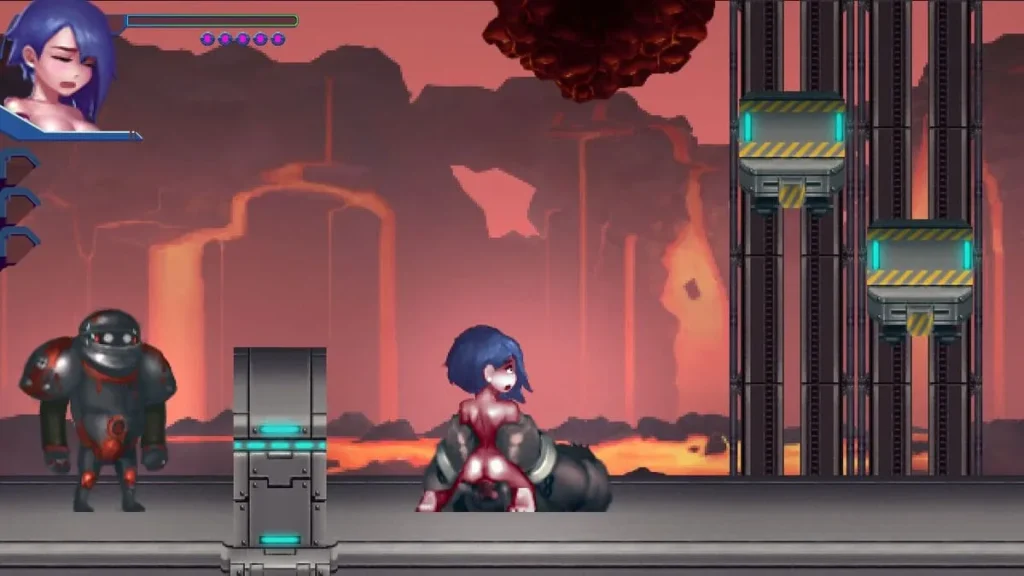
Combat is straightforward to learn but has a satisfying depth. You have a basic attack—often a melee combo or a quick projectile—and at least one special ability on a cooldown. The fun comes from learning enemy patterns. Some foes charge predictably, others hang back and fill the screen with shots, and some have shielding mechanics you need to break. The difficulty ramps up intelligently by mixing these enemy types in small arenas, forcing you to prioritize targets and manage space. It’s less about grinding for power and more about mastering your toolkit and the timing of your jumps and dashes.
Pro Tip: The dash isn’t just for evasion. I found that dashing through certain projectiles or enemy lunge attacks, then immediately turning to counterattack, was a game-changer for dealing with crowded rooms.
Now, for that personal anecdote I promised. There was one boss, a massive construct in the “Reactor Core” zone, that had me stuck for a solid hour. 🙈 This thing had a three-phase attack pattern: a sweeping laser you had to double-jump over, a homing missile volley you needed to dash through, and a vulnerable core that only appeared for a few seconds after a specific animation. I kept getting cooked in phase two, frustrated and ready to put the controller down.
I stepped away, had a coffee, and came back with a new strategy. Instead of trying to damage the core every single time it appeared, I focused purely on survival for the first few cycles. I watched, I learned the exact rhythm of the missiles, and I found a safe spot in the air during the laser sweep I hadn’t noticed before. When I finally went on the offensive, it was methodical. One hit. Back to survival. Another hit. The final blow felt earned, and the story scene that followed was incredibly satisfying because of the struggle that preceded it. This moment cemented for me that Future Fragments has the bones of a genuine, challenging action platform game.
Here’s a quick breakdown of the core gameplay loop you’ll experience:
| Gameplay Element | How It Feels | Why It Works |
|---|---|---|
| Platforming | Tight and demanding. Requires memorization and quick reflexes for spike pits, moving platforms, and timed jumps. | Provides a solid challenge that makes exploration and progression feel rewarding. |
| Combat | Fast-paced and pattern-based. Encourages aggressive positioning and smart ability use. | Fights are more like puzzles; learning how to dismantle each enemy type is satisfying. |
| Boss Fights | Spectacular and strategic. Multi-phase battles that test everything you’ve learned. | They serve as major skill checks and narrative climaxes for each zone. |
Branching story, voicework, and overall structure
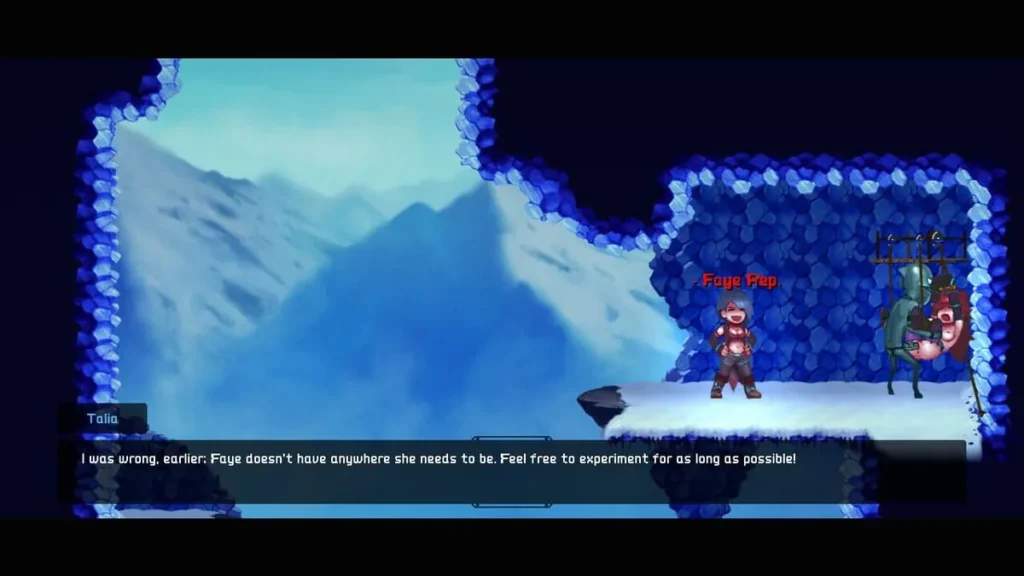
This is where Future Fragments truly sets itself apart from a typical run-and-gun platformer. The Future Fragments story isn’t a linear track—it’s a branching path shaped by your choices. 🛤️ During dialogue scenes, you’ll often be presented with multiple responses. These choices aren’t just for flavor; they affect your relationship with other characters, unlock different interactions later, and ultimately steer you toward one of several possible endings. This structure adds massive replay value. My first playthrough felt personal, and knowing I could go back and see how a different conversational choice changes an entire scene is a powerful motivator.
Then there’s the Future Fragments voice acting. Let me be blunt: the fact that every line of story dialogue is fully voiced is a game-changer. 🎙️ It transforms the experience from reading a visual novel into participating in an animated series. The voice actors bring a ton of personality to their roles, selling both the dramatic moments and the comedic beats. A silly line delivered with genuine comedic timing lands perfectly, and a moment of tension is amplified by a well-performed, strained whisper. It creates a connection to the characters that text alone could never achieve.
The overall structure of the game smartly alternates between high-intensity action segments and these slower, choice-driven story breaks. After a tough platforming section or a grueling boss fight, you get a chance to breathe, talk to your allies (or adversaries), and influence the narrative direction. This pacing prevents burnout and makes the world feel alive. You’re not just a weapon moving to the right; you’re a person in this world, having conversations and dealing with the consequences.
So, who will appreciate this structure the most? Honestly, players who enjoy reading and listening to characters. If your ideal platform game is all about non-stop action with zero downtime, the narrative chunks might feel like an interruption. But if you like games where the story is a reward for your gameplay skill, where you get to know a cast of characters through their voices and your choices, then this blend is incredibly compelling. It answers the question “is Future Fragments worth playing?” with a clear proposition: it’s worth it if you want a narrative-driven, adult action platform game that respects your time with both challenge and character.
In my Future Fragments review of this core experience, I have to highlight this synergy. The gameplay makes the story feel earned, and the story gives context and weight to the gameplay. It’s a complete package that confidently knows what it is: a bold, talkative, and challenging journey through a fragmented future.
Future Fragments ended up being more than just a curiosity for me. Under the surface, there’s a surprisingly tight action game with responsive controls, challenging rooms, and a story that reacts to the choices you make along the way. The fully voiced scenes and branching paths give it a sense of personality you don’t always see in indie titles.
If you’re curious but hesitant, approach Future Fragments as you would any other action platform game: come for the mechanics, stay if the characters and world click with you. Start on a comfortable difficulty, experiment with different choices, and treat your first run as a test drive rather than a perfect playthrough. That way, you can decide for yourself whether this strange, futuristic adventure deserves a permanent spot in your library.