Game of Hearts
Play Game of Hearts
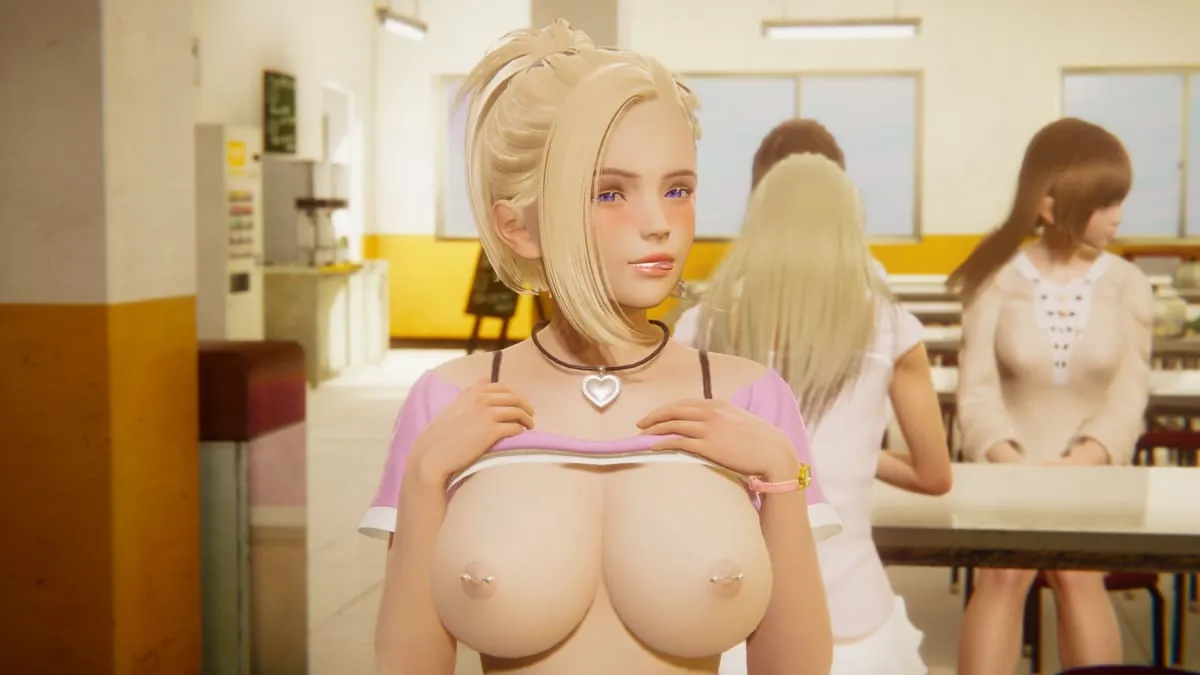
Game of Hearts Screenshots











Game of Hearts review
Explore gameplay mechanics, character routes, and what makes this romance adventure stand out
Game of Hearts is a story-driven romance adventure that combines visual novel elements with interactive decision-making. This comprehensive guide explores everything you need to know about the game, from its core mechanics to character development and narrative structure. Whether you’re a seasoned visual novel enthusiast or new to the genre, understanding what Game of Hearts offers will help you decide if it’s the right experience for you. We’ll break down the gameplay systems, character routes, and what players appreciate most about this title.
Understanding Game of Hearts: Core Gameplay and Mechanics
Remember that feeling? You’re curled up with a book, completely invested in the characters, desperately wishing you could shout at the protagonist, “No, don’t say that to him!” or “For heaven’s sake, just kiss her already!” 📚❤️ That’s the magic a great story holds, but it’s also where traditional media leaves you wanting. Game of Hearts doesn’t just tell you a story; it hands you the pen and says, “Your turn.” This visual novel gameplay mechanics core is what transforms a passive experience into a personal journey. It’s not about watching a romance unfold—it’s about living it, choice by consequential choice.
I still remember my first blind playthrough. I made decisions based purely on my gut, just as I would in real life, and ended up on a path I never saw coming. It was equal parts thrilling and heartbreaking, and it immediately demanded a second playthrough. That’s the power of a well-crafted system. So, let’s pull back the curtain and explore what makes Game of Hearts tick, from the interactive story choices that shape your destiny to the deep character routes visual novel fans crave.
### What Makes Game of Hearts a Unique Visual Novel Experience
At first glance, Game of Hearts fits comfortably within the visual novel genre: beautiful artwork, compelling writing, and a focus on narrative. But where it truly shines is in how it layers romance game mechanics with genuine consequence. Many dating sims operate on a simple “point system” – be nice, get points, win the guy or girl. Game of Hearts is far more nuanced. Your choices don’t just add points to a hidden meter; they actively reshape the narrative landscape, alter character motivations, and unlock (or permanently lock) entire scenes and dialogues.
Think of it less like a test you can pass and more like cultivating a real garden. Every choice is a seed—some grow into beautiful connections, while others might sprout unexpected thorns of conflict that lead to richer, more dramatic story branches. 🪴 The game masterfully balances player agency with a tightly written plot. You have freedom, but your choices exist within a believable world that reacts to you.
Here are the key features that form the backbone of this Game of Hearts visual novel experience:
- The “Heart’s Echo” System: This isn’t just a fancy name for a save file. Major decisions create “Echoes”—persistent story flags that can resonate across an entire playthrough, affecting events hours later in ways you might not anticipate.
- Mood & Context Awareness: Characters don’t just have a generic “affection” score. They have moods, memories, and ongoing subplots. A flirtatious comment might work wonders during a lighthearted festival date but could backfire spectacularly if they’re grappling with a personal crisis.
- Parallel Progression: Unlike some visual novels where you hyper-focus on one character, life in Game of Hearts continues around you. Building a strong bond with one character might change how another character perceives and interacts with you, adding a layer of social realism.
- The “Missed Connection” Library: One of my favorite unique features! After completing a route, you gain access to a special menu that shows you key decision points and the paths you didn’t take. It’s a brilliant way to appreciate the narrative’s scope without tedious trial-and-error and is a masterclass in relationship development gameplay.
To give you a clearer picture of the cast you’ll be engaging with, here’s a quick overview of the core characters and what pursuing their path entails:
| Character | Archetype & Vibe | Route Focus | Key Mechanic for Unlocking |
|---|---|---|---|
| Leo | The Charming Rival ✨ Confident, ambitious, with a hidden soft side. |
Competitive growth, learning vulnerability, navigating professional and personal boundaries. | Choosing bold, confident options and matching his ambition, while selectively showing your own vulnerability. |
| Maya | The Creative Soul 🎨 Intuitive, passionate, occasionally chaotic. |
Emotional depth, supporting creative dreams, embracing spontaneity over rigid plans. | Engaging with art and beauty, choosing empathetic responses, and being open to unexpected adventures. |
| Kai | The Stoic Protector 🛡️ Reserved, loyal, carries past burdens. |
Earning trust, patience, healing old wounds, and uncovering the warmth beneath a guarded exterior. | Demonstrating consistent loyalty, respecting boundaries, and making choices that prove you’re a safe haven. |
| Elara | The Witty Scholar 📚 Intellectual, sarcastic, values deep conversation. |
Mental connection, witty banter, unraveling mysteries together, friendship turning to romance. | Picking intelligent dialogue options, showing curiosity about the world, and appreciating her sharp mind. |
### Interactive Decision Systems and Player Choice Impact
This is where the rubber meets the road in any visual novel decision system. In Game of Hearts, choices are rarely black and white “Good vs. Evil” or “Heart vs. Brain” picks. Instead, they reflect personality, values, and immediate social cues. You might be faced with a decision like:
- Defuse the tension with a light joke.
- Address the underlying issue head-on.
- Change the subject to something comforting.
- Say nothing, and let the silence speak.
Each option aligns with different character traits and will resonate differently with each potential love interest. During my playthrough for Kai’s route, I learned the hard way that his guarded nature saw a “light joke” during a serious moment as dismissive, setting our trust back significantly. Meanwhile, the same choice might have endeared me to Leo. This context is everything.
The impact is both immediate and long-term. 🧭 Immediately, you’ll see a shift in the character’s expression, a change in their next line of dialogue, or a small animation. Long-term, these choices build your unique version of the protagonist. By the story’s midpoint, you have defined who they are—are they the diplomatic peacemaker, the bold truth-teller, or the compassionate listener? This shaped character then interfaces with the world in a consistent way.
The game also brilliantly uses what I call “Soft Fail States.” You won’t often get a “Game Over” screen. Instead, a series of misaligned choices might lead you to a poignant, bittersweet ending where connections fade, or you remain close friends instead of lovers. These endings are just as valid and well-written as the romantic “good” endings, making every playthrough feel meaningful and complete in its own way. This sophisticated approach to interactive story choices ensures you’re always engaged, knowing every dialogue selection is a brushstroke on your personal canvas of the story.
### Character Routes and Relationship Development
Pursuing a character routes visual novel path in Game of Hearts is a deeply rewarding commitment. Each route isn’t just a series of romantic scenes tacked onto a shared plot. They are fundamentally distinct narratives that explore the love interest’s inner world, past, and personal conflicts. The common storyline acts merely as a launching pad; once you’re firmly on a path, the game peels away the shared events to reveal a private story that only you (as the protagonist) and your chosen character experience.
The relationship development gameplay is paced masterfully. It follows a natural rhythm:
1. First Impressions & Common Ground: The early game where your choices determine who you naturally click with.
2. Building Intimacy: Shared secrets, helping with personal struggles, and the thrilling “does-they-like-me?” tension. 🔐
3. The Crossroads: A major conflict or revelation tests the bond you’ve built. Your accumulated choices here determine if the relationship deepens or fractures.
4. Commitment & Resolution: Navigating the world as a pair, facing the final challenges together, and achieving a conclusion unique to your dynamic.
Replayability is this game’s superpower. 🦸♀️ On a second playthrough, armed with knowledge from your first, you’ll notice foreshadowing everywhere. A line from Maya that seemed like throwaway gossip suddenly becomes a crucial clue to Kai’s backstory. A location you visited with Leo takes on a completely different, more melancholic tone when you visit it alone on Elara’s route. The game rewards observant players, making each new path feel like assembling another piece of a grand, interconnected puzzle.
Pro Tip from a Seasoned Player: Don’t use a guide on your first try! The magic of Game of Hearts is in that authentic, unspoiled journey. Let your own personality guide you and see where you naturally land. You might be surprised by which character you’re drawn to when you aren’t trying to “win.”
The romance game mechanics here serve the story, not the other way around. Stats and hidden values exist, but they feel like a natural undercurrent rather than a spreadsheet to manage. You’re not “grinding” affection points; you’re having conversations, offering support, and being present. When you finally reach a character’s pivotal confession scene or a moment of profound vulnerability, it feels earned—a direct result of the digital relationship you cultivated. That sense of authentic achievement is what makes the Game of Hearts visual novel stand head and shoulders above many others in the genre.
FAQ: Common Questions About Gameplay & Choices
Q: How long does it take to complete one route?
A: For a thorough, read-everything playthrough, budget around 8-12 hours per main character route. Rushing can shorten this, but you’ll miss the rich subtext that makes the relationship development gameplay so special!
Q: Are there “bad” endings?
A: It depends on your definition! There are definitively tragic or melancholy endings, but they are narratively complete and often beautifully written. The game has very few “abrupt” bad endings; most feel like a natural, if sad, conclusion to the choices you made.
Q: Do I need to play the routes in a specific order?
A: The game doesn’t enforce an order, but many players (myself included) recommend saving Kai’s route for after at least one other. His story provides fascinating context for the wider world and other characters that is more impactful if you have a baseline understanding first.
Q: How many save slots should I use?
A: Liberally! The game encourages saving before major decisions. Because of the Heart’s Echo system, a choice in Chapter 2 might affect Chapter 6. Having multiple save points lets you explore branches without losing hours of progress. I often keep a “master save” at the start of each route’s unique branching point.
Q: Is there a “true” route or canon ending?
A: Game of Hearts smartly avoids this. The developer has stated that the “true” ending is the one that felt most real and satisfying to you. The beauty of its visual novel decision system is that it validates your personal journey as the legitimate one.
Game of Hearts stands out as a visual novel that combines engaging storytelling with meaningful player choice. The game’s strength lies in its character-driven narratives and the ability to experience multiple distinct romantic storylines. Each route offers unique emotional beats and character development that reward player investment. Whether you’re drawn to the interactive decision-making, the character relationships, or the overall narrative experience, Game of Hearts delivers a complete visual novel adventure. For those interested in story-based romance games with substantial content and replayability, this title offers significant value across multiple playthroughs.