
Jikage Rising
Play Jikage Rising
Jikage Rising Screenshots







Jikage Rising review
Master the ninja-themed RPG with tactical combat, character progression, and branching storylines
Jikage Rising stands out as a captivating ninja-themed RPG that seamlessly blends strategic combat, deep character progression, and impactful branching storylines. This game immerses players in a richly crafted world inspired by iconic anime universes, where every decision shapes your journey as a shinobi with unique powers. Whether you’re drawn to tactical battles, narrative-driven experiences, or character development systems, Jikage Rising delivers a dynamic adventure filled with interconnected quests and meaningful choices. This comprehensive guide walks you through everything you need to know to master the game, from understanding its core mechanics to optimizing your character’s growth and uncovering hidden quest lines that reward exploration and strategic thinking.
Jikage Rising Gameplay Mechanics & Core Systems
Ever felt like a ninja RPG was just a checklist of tasks? You know the drill: go here, stab that, collect the thing. 🥷 I remember booting up Jikage Rising with that same expectation, ready to mindlessly grind through missions. My first big mistake was treating a simple C-rank escort job as just that—simple. I was focused on the destination, not the journey. That’s when the caravan was ambushed not by bandits, but by a rogue shinobi with a personal grudge against my client, spiraling the mission into a multi-part saga that revealed a hidden faction vying for power. My perspective on the game changed instantly. This isn’t a game about completing tasks; it’s about living a shinobi life where every choice ripples outward. Let’s pull back the curtain on the incredible Jikage Rising gameplay mechanics that make this experience so unique.
Understanding the Mission Structure and Quest System
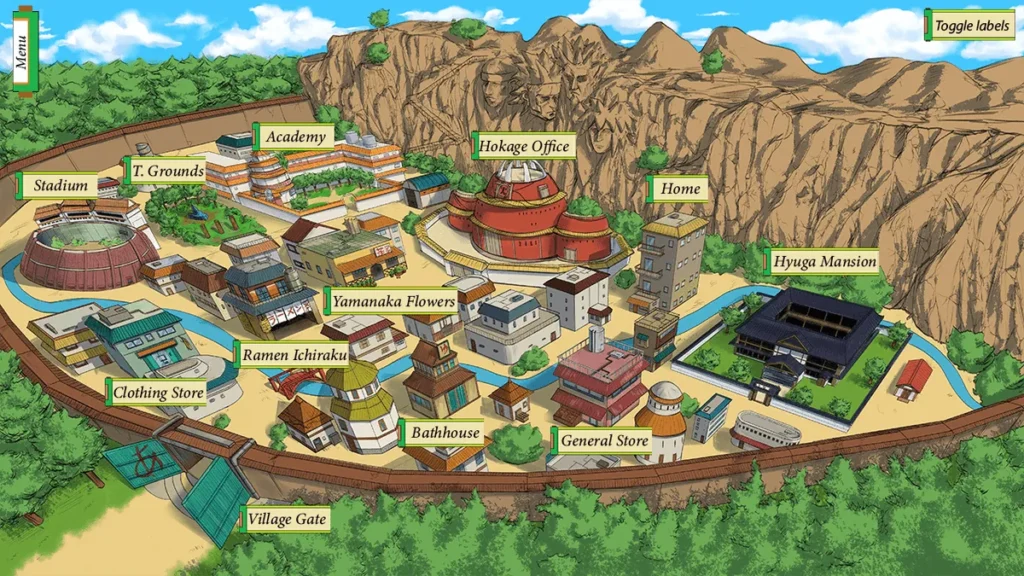
At its heart, the mission structure branching storylines are the engine of Jikage Rising. Forget linear quest logs. Think of the mission board in your home village not as a to-do list, but as a doorway to dynamic, living adventures. Each mission rank—from lowly D to legendary S—doesn’t just dictate difficulty; it defines narrative scope and consequence.
Here’s the secret sauce: contextual triggers. A mission has a primary objective, but the world around it is breathing. That “Investigate Missing Supplies” (C-rank) mission isn’t about finding a box. It’s about who you talk to first (the anxious merchant or the dismissive guard captain), which path you take through the forest (main road or smuggler’s trail), and even the time of day you depart. Each variable can trigger entirely different encounters, plot revelations, and even unlock side-objectives that completely change the mission’s outcome and reward. 🗺️
The game’s genius is how it layers these systems. Early on, I ignored a seemingly random traveler being harassed on the road, focusing on my A-rank bounty hunt. Weeks of in-game time later, that traveler—who was a spy—became the key antagonist in a later story arc, and he remembered my “betrayal.” The world doesn’t wait for you. Factions move, plots advance, and opportunities vanish if you don’t engage with the mission structure branching storylines proactively.
This reactive design extends to rewards. Succeeding with stealth versus brute force, or completing secondary objectives like uncovering a traitor, grants different types of rewards—not just more gold, but unique scrolls, reputation with specific clans, or vital intelligence for future operations.
| Mission Rank | Difficulty & Scope | Primary Reward Types | Story Impact Level |
|---|---|---|---|
| C-Rank | Low risk, local issues. Escort, gather, patrol. | Basic currency, common scrolls, minor clan reputation. | Low to Medium. Can introduce characters and subplots that blossom later. |
| B-Rank | Moderate risk, regional threats. Bandit camp clearing, investigation. | Improved gear, uncommon ability scrolls, significant reputation boosts. | Medium. Often resolves or advances established subplots, affecting regional stability. |
| A-Rank | High risk, national significance. Assassination, high-value retrieval, espionage. | Rare/unique gear, powerful jutsu scrolls, major faction alignment shifts. | High. Decisions here can lock or unlock entire story branches, ally or enmify major factions. |
| S-Rank | Extreme risk, world-altering events. Legendary beast hunts, stopping large-scale invasions. | Legendary artifacts, forbidden techniques, permanent stat boosts, lasting world-state changes. | Maximum. Culmination of story arcs; endings are defined by choices made here. |
Combat Strategy and Tactical Elements
If the missions are the story, combat is the punctuation—and in Jikage Rising, it’s an exclamation point demanding your full attention. 🥊 This is not a button-masher. The ninja RPG combat system is a beautiful, brutal dance of positioning, timing, and resource management that will punish reckless play and richly reward clever strategy.
The core loop revolves around Chakra and Stamina. Chakra fuels your powerful shinobi powers and abilities, while Stamina governs movement, blocking, and basic attacks. The critical tactical layer? They don’t regenerate independently in battle. You must use a “Focus” action to recover one at the expense of leaving yourself vulnerable. Do you spend your last Chakra for a finishing move, or do you Focus to regain Stamina and dodge an incoming ultimate attack? This constant dilemma is the soul of the tactical RPG strategy guide you need to internalize.
Positioning is everything. The battlefield is fully 3D. Using a wire kunai to gain the high ground isn’t just cool—it grants accuracy bonuses and reduces enemy hit chance. Flanking an enemy breaks their guard, and environmental hazards can be weaponized. I once won a desperate fight against a stronger opponent by luring him into a trap I’d disabled earlier, reactivating it with a well-placed shuriken.
To master the ninja RPG combat system, you must become a student of your enemy. This is where the game truly shines as a tactical RPG strategy guide. Every enemy type, from lowly thugs to elite jonin, has patterns, tells, and weaknesses.
Pro-Tip: Always spend a turn in “Observe” mode at the start of a tough fight. Identifying an enemy’s elemental affinity (Fire, Water, Wind, etc.) lets you counter them with your own shinobi powers and abilities for massive damage and bonus effects.
Here is a checklist of key combat mechanics to practice until they become second nature:
* Positioning: Always seek high ground or flanking angles. Control the space.
* Ability Timing: Interrupt enemy charge-ups with a quick, low-cost jutsu. Don’t just spam your strongest move.
* Enemy Pattern Recognition: Watch for visual or audio cues before big attacks. A specific hand sign or weapon glow is your signal to dodge or counter.
* Resource Management: Balance your Chakra and Stamina like your life depends on it (it does). Use the Focus action strategically, not desperately.
Building a synergistic team is also part of the ninja RPG combat system. Your allies aren’t just AI helpers; you can issue detailed tactical commands. Setting up a combos—like having a companion use a Water Style jutsu to douse enemies before you hit them with a powerful Lightning Style attack—deals catastrophic damage. This layer of team-based tactics elevates the combat from a personal skirmish to a coordinated squad operation. ⚡💧
Character Development and Progression Paths
How you grow your shinobi is a deeply personal journey in Jikage Rising. The character progression Jikage Rising offers isn’t about picking a class and sticking to it; it’s about crafting a unique warrior whose strengths reflect your decisions in and out of combat. Your path is defined by three pillars: Training, Exploration, and Story Choices.
The most direct answer to how to level up in Jikage Rising is, of course, completing missions and winning fights. This grants XP and raises your overall level, boosting base stats. But raw levels are just the foundation. True power comes from your shinobi powers and abilities, unlocked through Scrolls. These scrolls are found as mission rewards, hidden in the world, or taught by mentors and allies you befriend. There’s no single “best” build. I focused on stealth and assassination, mastering silent movement and single-target kill moves. A friend built a tank who used Earth Style to armor up and draw agro, playing a completely different game. That’s the beauty of the character progression Jikage Rising system.
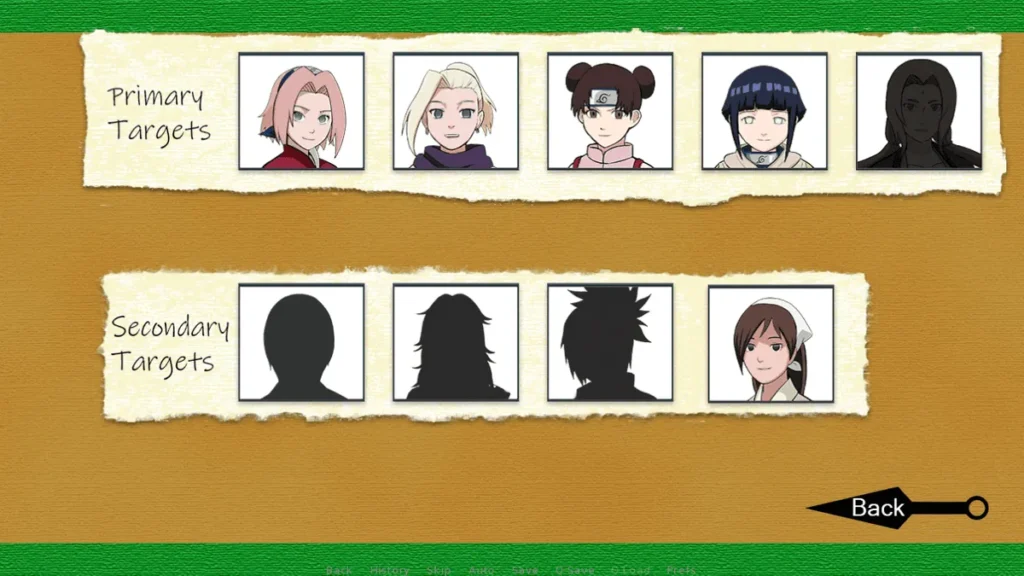
Recruiting allies is a progression system in itself. 🫂 You don’t just find party members; you build relationships through dialogue choices, completing their personal quests, and choosing to support them in key story moments. A companion you help overcome a personal failure might later teach you their clan’s secret technique. Another, whom you consistently agree with on moral choices, may fight more effectively at your side. Their growth is tied to yours, and their abilities can complement or fill gaps in your own kit.
But the most profound layer of character progression Jikage Rising is tied to the narrative. The branching storylines don’t just change the plot; they change you. Major moral choices or faction alignments can unlock unique “Path Abilities.” Early in the game, you might face a choice to show mercy to a defeated enemy or uphold a harsh law. Choosing mercy could unlock the “Benevolent Leader” path, granting abilities that boost ally morale and provide healing auras. Choosing the harsh path might unlock “Ruthless Efficiency,” granting bonuses to surprise attacks and intimidation. This makes your character progression Jikage Rising a literal reflection of your role-playing decisions.
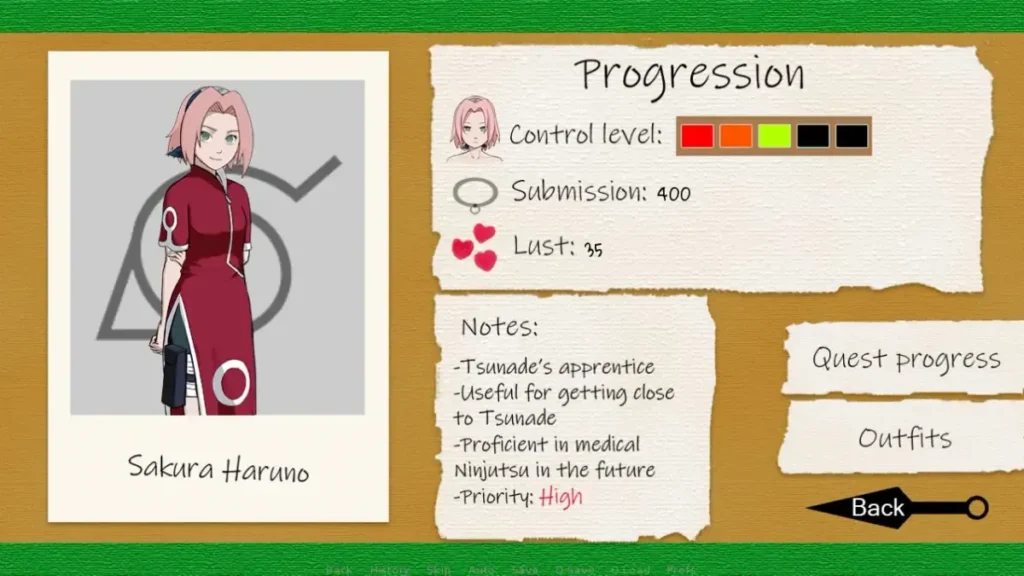
Here’s a practical example of early-game impact: One of the first major allies you can recruit is a skilled medic. To earn her loyalty, you need to help gather rare herbs. If you dismiss this as a fetch quest and ignore it, you miss out not only on a powerful healer but also on access to the entire medical ninjutsu skill tree for your own character later. Your combat strategy for the entire game could be shaped by this one early, seemingly minor engagement with the mission structure.
Ultimately, mastering Jikage Rising gameplay mechanics is about understanding that everything is connected. Your combat tactics influence mission success. Mission outcomes drive story choices. Story choices unlock new progression paths. And your growing shinobi powers and abilities open up new tactical options in combat. It’s a magnificent, interlocking circle of cause and effect. Embrace the depth, think like a shinobi, and your journey from rookie to legend will be uniquely your own. 🍃✨
Jikage Rising successfully merges strategic gameplay with compelling narrative design, creating an experience that rewards both tactical thinking and narrative exploration. The game’s masterful blend of familiar anime-inspired elements with original storytelling ensures that each player’s journey feels personal and meaningful. From understanding the intricate mission structure that weaves character development into every quest, to leveraging the reactive world system that makes your choices genuinely matter, Jikage Rising offers depth that extends far beyond surface-level gameplay. Whether you’re optimizing your combat strategy, recruiting powerful allies, or uncovering hidden quest lines through exploration, the game consistently rewards engagement and curiosity. By applying the strategies and insights from this guide, you’ll unlock the full potential of your shinobi, discover the interconnected stories that make the world feel alive, and experience the unique adventure that makes Jikage Rising a standout title in the tactical RPG genre. Dive into this captivating world, shape your destiny through meaningful choices, and discover why players continue to find new experiences with each playthrough.