Man of the House Screenshots
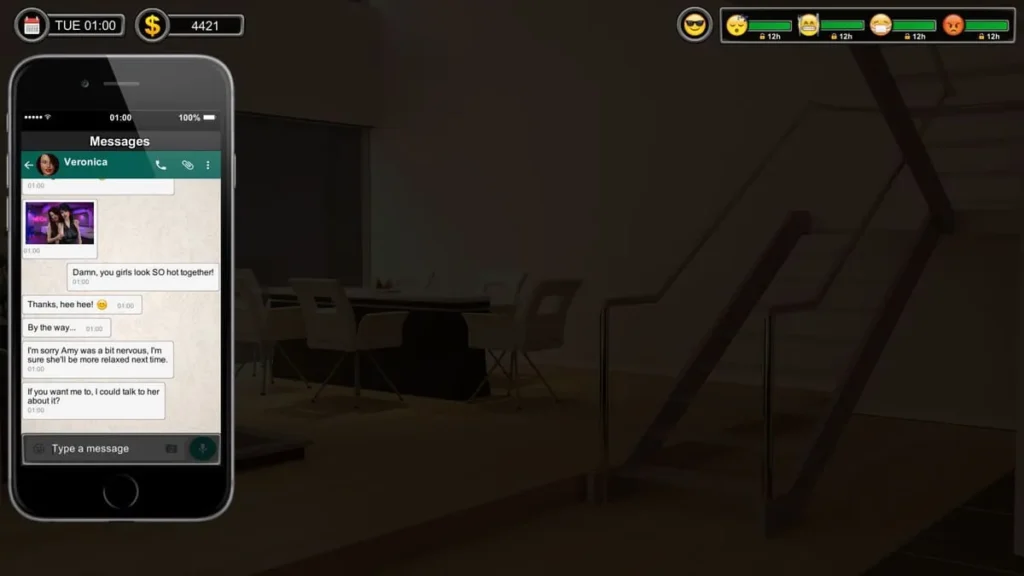

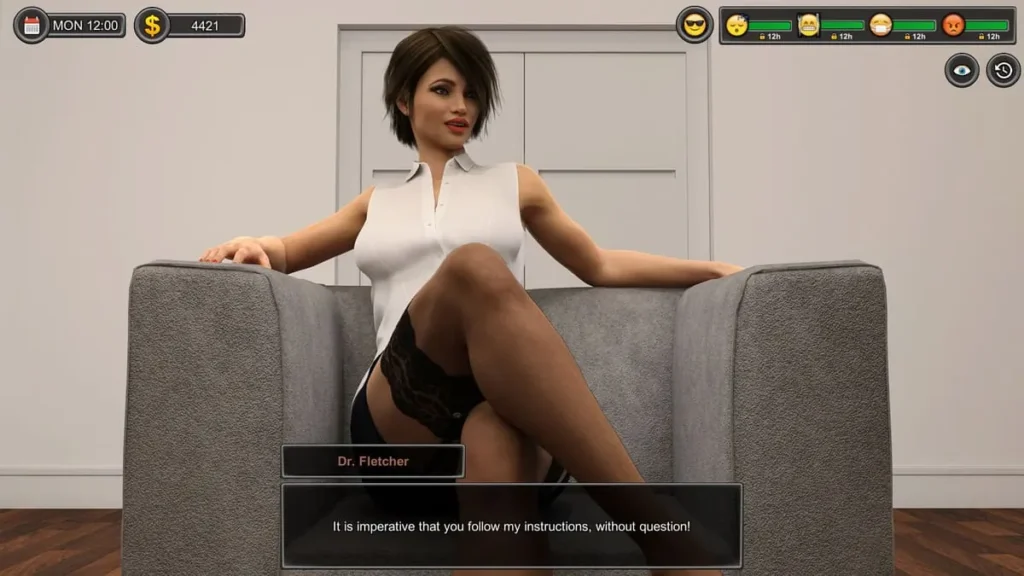


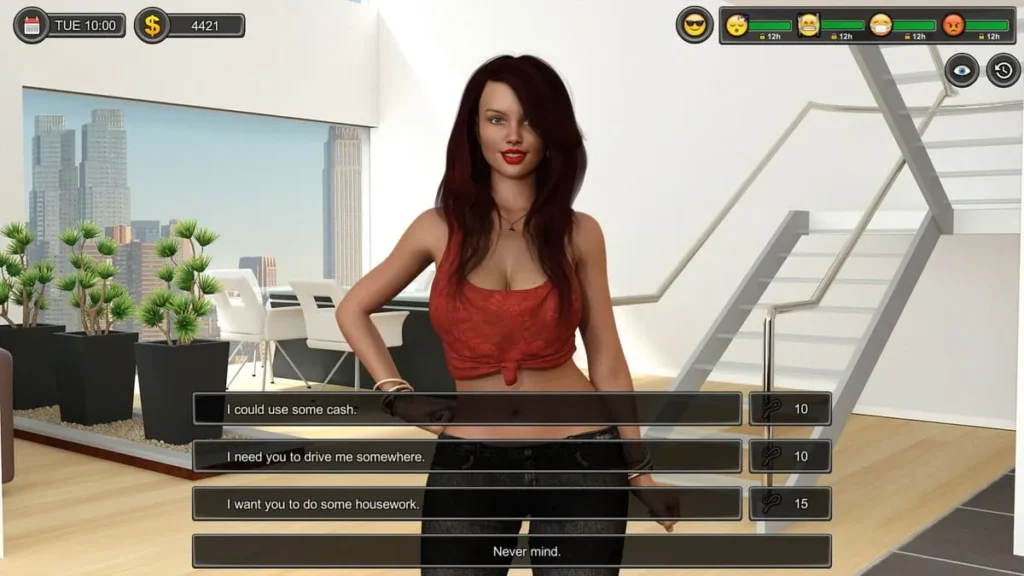


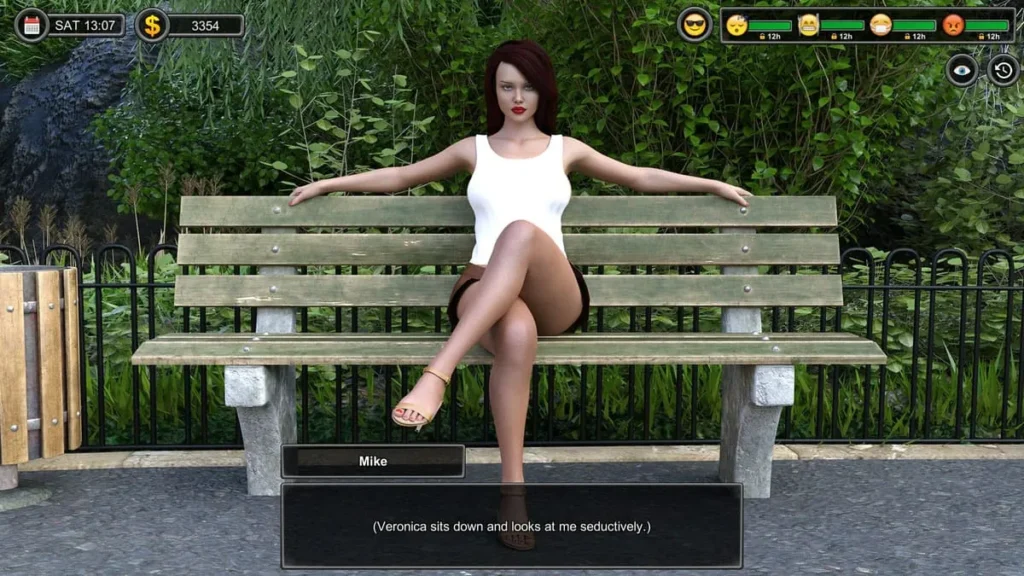
Man of the House review
Honest impressions, practical tips, and strategy advice for Man of the House players
Man of the House is a choice-driven, adult-themed simulation where you step into the shoes of a young man sharing a home with several women, building relationships through daily decisions, time management, and stat progression. If you’ve ever opened the game and felt overwhelmed by all the options, schedules, and possible paths, you’re not alone. When I first tried Man of the House, I bounced between locations, missed key scenes, and kept asking myself if there was a smarter way to play. In this guide, I’ll walk you through what makes the game engaging, what to expect from the experience, and how to approach it strategically without killing the fun.
How Man of the House Really Plays: Core Loop & First Impressions
So, you’ve downloaded the Man of the House game, maybe heard some buzz, and you’re sitting at the main menu wondering what you’ve gotten yourself into. 😅 I was right there with you. Is this a dating sim? A life simulator? A visual novel with extra steps? After spending my first few hours diving in, I can give you my honest Man of the House first impressions and a clear picture of how this unique experience actually works.
Let’s pull back the curtain on the Man of the House gameplay and figure out what makes this title tick.
What is Man of the House and how does it work?
At its heart, Man of the House is a story-driven life simulation with adult themes. You step into the shoes of a young man who, through a twist of fate, ends up living in a bustling household with several women. Your goal isn’t just to survive, but to build relationships and uncover each character’s personal story. Think of it less as a “win-state” game and more as an interactive, exploratory narrative where your choices directly shape what scenes and events you unlock.
The core structure is deceptively simple. You have a house and a small city to freely explore. Your time is divided into blocks—Morning, Afternoon, Evening, and Late Night—and in each block, you can move to different locations. The magic (and the challenge) lies in the fact that every character operates on their own schedule. 👩💼👩🍳
Miss Ashley might be studying in her room in the evening, but by late night, she’s fast asleep. The key to progressing is finding the right person, in the right place, at the right time, and having built up the right stats through previous interactions. This is the fundamental how to play Man of the House answer: it’s a puzzle of schedules, stats, and subtle choices. The game blends visual storytelling with dialogue trees, and your selections can nudge relationships in different directions, often in ways you won’t see until much later.
The tone is unabashedly lighthearted and leans into fantasy scenarios. It’s not aiming for gritty realism, and that’s part of its charm—it knows what it is and has fun with it. Your enjoyment will hinge on whether you appreciate this over-the-top, choice-driven narrative style.
My first hours in Man of the House: confusion, curiosity, and “aha” moments
My first in-game day was a masterpiece of awkward wandering. 🗺️ I woke up, introduced myself to the housemates, and then just… stared at the screen. Now what? I clicked on the kitchen. Empty. I went to the living room. Someone was there, but our conversation was brief and surface-level. I felt like a ghost in my own home.
On my second day, I decided to be more systematic. I wrote down real-world notes (yes, I’m that person) on where I saw people and when. This led to my first big “aha!” moment. On my third in-game day, I went to the backyard in the afternoon and found one of the characters sunbathing. We had a short chat that felt different from our earlier, more formal talks indoors. Later, I realized that interaction had given a small but permanent boost to a hidden stat. It was a clue: location and timing matter just as much as what you say.
Another breakthrough came from failure. I’d heard about a special event involving a character after dark. For three evenings in a row, I waited in the hallway like a creeper, nothing happened. 😩 Frustrated, I checked her room on a whim during a late night time slot—bingo. The scene triggered because I’d finally met an invisible affection threshold and was in the correct time window. This is the classic Man of the House gameplay loop: experiment, fail, learn, and try again with new knowledge.
It was this cycle of gentle confusion followed by satisfying discovery that hooked me. The game doesn’t hand you a quest log with explicit objectives. It gives you hints, a clock, and a world to investigate. Your curiosity becomes the primary driving force.
Core mechanics: stats, time management, and hidden progression
To move beyond simple wandering, you need to understand the game’s two intertwined engines: the Man of the House stats system and the Man of the House day night cycle.
Let’s break down the stats first. Nearly everything you do affects a number behind the scenes. These stats act as gates for new dialogue options and story events. They’re tracked for you, the main character, and for each of the women in the house. While the game has several, here are the most critical ones you’ll encounter:
| Stat Name | What It Represents | How You Influence It |
|---|---|---|
| Affection | General fondness and friendship. The baseline for positive interactions. | Choosing kind, supportive, or friendly dialogue options; giving gifts; helping with tasks. |
| Attraction | Romantic or physical interest. Crucial for unlocking more intimate scenes. | Flirtatious dialogue, successful romantic gestures, and sometimes specific choices during key events. |
| Discipline | A measure of authority or control in the dynamic. Affects certain power-balance scenarios. | Making firm or demanding choices, succeeding in specific challenges or mini-games. |
| Your Character’s Stats (e.g., Charm, Strength) | Your own abilities. They unlock new interaction possibilities. | Using the computer to “study,” working out at the gym, or other self-improvement actions. |
Now, pair this with the relentless march of the Man of the House day night cycle. Each day is split into four time slots, and each action—talking, traveling, using an item—consumes that slot. This creates a constant, pleasant pressure. Do you spend your afternoon building charm on the computer, or do you visit the mall hoping to run into someone? You can’t do it all, so you must prioritize based on your current goals.
To visualize how this all comes together, here’s the basic gameplay loop for a typical day:
* Wake Up & Plan 🕗: Check your mental (or actual) notes on where key characters might be.
* Check Key Locations 🏠: Spend your morning/afternoon slots visiting areas where your target characters are scheduled to be.
* Interact & Choose 💬: Engage in conversation, picking dialogue options that align with the stats you want to raise.
* Manage Your Resources ⏳: Balance social time with actions that raise your own stats or earn money.
* Sleep & Repeat 😴: End the day, see if any new events triggered, and plan for tomorrow.
Here’s a short example from my own early game:
It’s a Tuesday afternoon in the game. My goal is to increase Lucy’s Affection. I know she’s usually in the living room at this time. I go there, and she’s watching TV. I join her and pick dialogue options that are playful and complimentary (boosting Affection a little). This uses my afternoon slot. For the evening, I want to work on my own Charm stat to unlock better flirts later. I head to my room and use the computer. It’s a simple day, but both actions are small, deliberate steps toward future possibilities.
The true “progression” in Man of the House is this hidden web of numbers and schedules. You’re not leveling up in a traditional sense; you’re slowly qualifying for the next story beat. This makes every interaction feel potentially meaningful.
So, if you’re just starting out and feel a bit lost, please know that’s completely normal and almost intentional. 🙌 This Man of the House overview should reassure you that the initial confusion is part of the journey. Don’t stress about seeing everything. Use your first playthrough to explore, make “mistakes,” and learn routines. Pay attention to the subtle hints the game gives you, keep one eye on the clock, and let your curiosity guide you.
Once you’ve gotten a feel for this core loop, you can start thinking like a strategist. In the next section, we’ll dive into smarter planning, character-specific routes, and how to efficiently turn those early-game fumbles into a streamlined path to the content you want to see. The real fun begins when you go from being a passive resident to the active architect of your story. 😏
Man of the House can feel overwhelming when you first step into the protagonist’s shoes, but that complexity is also what makes it surprisingly engaging over the long run. Once you start recognizing patterns in the daily routine, learning when each character is available, and planning around the stats you want to raise, the game shifts from random trial-and-error to a satisfying loop of small wins and new scenes. If you’re curious about it, give yourself permission to treat the early days like a sandbox: explore, make imperfect choices, and see what happens. Over time you’ll naturally develop your own route, your own favorite events, and your own way of enjoying everything Man of the House has to offer.