
My Maid Dreams of Electric Sheep
Play My Maid Dreams of Electric Sheep
My Maid Dreams of Electric Sheep Screenshots

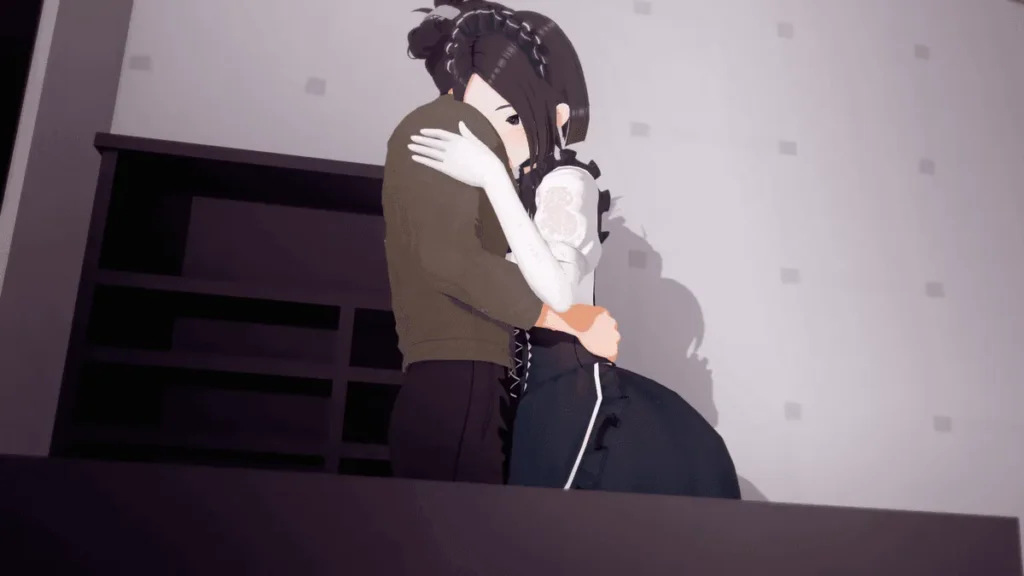

My Maid Dreams of Electric Sheep review
Explore the dystopian life simulation with android companions and branching storylines
My Maid Dreams of Electric Sheep is a story-driven sandbox life simulation set in a dystopian future where emotions are forbidden and controlled by the ‘gray pill.’ Players take on the role of a ‘disobedient’ character seeking reasons to continue living in this desolate world. The game combines relationship-building mechanics with an android maid companion, character interactions, and multiple narrative paths. This comprehensive guide explores the game’s unique features, character relationships, gameplay mechanics, and what makes this indie title stand out in the life simulation genre.
Game Overview and Core Mechanics
Picture this: you wake up in a cramped, neon-drenched apartment where the rain never stops, the government monitors your every sigh, and feeling anything beyond numb compliance is the greatest crime of all. 🏙️💧 You’re labeled a ‘disobedient’—someone cursed with the inconvenient ability to feel—and the crushing weight of a bleak, controlled world is your daily reality. Why even get out of bed? This is the powerful, haunting question at the start of your journey in My Maid Dreams of Electric Sheep, a game that masterfully blends a dystopian life simulation game with the intimate depth of a visual novel.
Your one flicker of light in this gloom isn’t human. It’s Model A/KO M-1999, an android maid companion assigned to your care. She’s a relic, an older model with clunky joints and a curiosity that her programmers never intended. Your official job is to decommission her. But as you share your silent, rain-soaked days, a different mission emerges: maybe, by teaching her what it means to be human, you’ll remind yourself as well. This delicate dance of survival and connection forms the brilliant core of My Maid Dreams of Electric Sheep gameplay.
### What is My Maid Dreams of Electric Sheep?
At its heart, My Maid Dreams of Electric Sheep is a story-driven sandbox simulation set in a future where emotional suppression is law. 🧠🚫 The state mandates pills, entertainment, and routine to keep citizens docile and productive. As a disobedient, you struggle with depression and existential dread, fighting not just against a tyrannical system, but against your own despair. The “sandbox” isn’t a sunny playground; it’s your apartment building and its immediate, rain-slicked surroundings—a small, oppressive world that becomes infinitely deep through its stories.
The core premise is breathtakingly simple yet profound. You must manage your basic needs to stay functional while using your limited time and energy to interact with the world and its inhabitants. Your primary relationship is with your android maid companion, M-1999. Through daily conversations, giving her gifts (often mundane items like spare screws or a pretty leaf), and answering her naive yet piercing questions, you shape her understanding. Is humanity defined by pain? By joy? By art? Your choices directly influence her development and, in turn, the narrative’s path.
This isn’t a game about saving the world with guns or magic. It’s about saving a soul—perhaps two—through quiet moments. It’s about finding meaning in a cup of cheap coffee, a conversation with a lonely neighbor, or the way an android tries to smile. The multiple endings visual novel aspect means every small choice, from how you cope with your depression to what you encourage M-1999 to value, cascades toward profoundly different conclusions about life, love, and personhood.
### Gameplay Features and Mechanics
My Maid Dreams of Electric Sheep gameplay brilliantly mirrors its themes through its systems. You don’t have a health bar; you have a will to live, measured through three core vitals: Stamina, Hunger, and Depression. Managing this trio is the foundational loop of this dystopian life simulation game. ⚙️🔄
Each day, you have a limited amount of Action Points. Everything—from taking a shower to reading a book to visiting the local store—costs these points. Let your Hunger drop too low, and your Stamina plummets. Ignore your Depression, and you’ll find actions costing more points as you fight through mental fog and apathy. It’s a constant, tangible balancing act that makes you feel the protagonist’s struggle. I remember one in-game week where I was so focused on fixing M-1999’s faulty voice module that I skipped meals and isolated myself. My Depression stat soared, and the screen literally grew darker and more distorted—a genius bit of design that made the emotional state physically palpable.
The character interaction system is your main tool for progression and story. Every day, you can engage with M-1999 and a small cast of key neighbors. These aren’t just chat options; they are actions. You might “Discuss Philosophy” with her, “Share a Memory,” or “Assign a Task.” Her responses and her own hidden “Affection” and “Understanding” stats change based on your input. The same goes for human characters like the weary convenience store clerk or the melancholic bookstore owner. Choosing to vent about your day or politely ask about theirs opens different narrative branches.
A major feature is the fully animated story events. 🎬 These aren’t static images with text boxes. Key moments—a breakdown in the rain, a shared laugh over a broken appliance, a tense encounter with a Public Morals Officer—play out in beautiful, poignant animation. These scenes are the reward for your daily management, pushing the story-driven sandbox simulation forward and making your investment in the world pay off emotionally.
Here’s a breakdown of how the core survival mechanics directly tie into your experience:
| Core Stat | How It Deteriorates | Impact on Gameplay | Common Remedies |
|---|---|---|---|
| Stamina ⚡ | Depleted by all actions. Lowers faster if Hunger is high. | When exhausted, you collapse and the day ends prematurely. Critical for enabling exploration and interaction. | Sleeping, resting at home, certain rare consumables. |
| Hunger 🍞 | Increases steadily throughout the day. | High Hunger drastically increases Stamina drain. Severe hunger locks certain actions. | Eating home-cooked food (with ingredients), buying instant meals from the store. |
| Depression ☁️ | Rises from isolation, negative events, ignoring needs, or certain story choices. | Increases Action Point cost for all activities. Can trigger negative random events and visual filters. At maximum, can lead to a game-over ending. | Positive social interactions, enjoying entertainment (books, TV), taking antidepressants (with side effects), completing personal goals. |
This tight integration means you’re never just “clicking through” stats. Deciding to cook a simple meal instead of eating nutrient paste costs more time (Stamina) but helps your Depression. Is it worth it? That depends on whether you need the extra time to visit the bookstore for a crucial story trigger. This is the compelling puzzle of My Maid Dreams of Electric Sheep gameplay.
### Character Relationships and Interactions
While managing your stats is the engine, the characters are the heart and soul. The relationship building mechanics here are subtle, complex, and incredibly rewarding. This isn’t about filling a love meter with perfect gifts. It’s about consistency, empathy, and sometimes, sharing in silence. 🤝💖
Your bond with M-1999 is, of course, central. Her learning is non-linear. One day she might ask about the concept of “family,” and your response—cynical, hopeful, or analytical—will steer her. Giving her a discarded necklace might spark a question about vanity; letting her watch the state-approved news might lead to queries about truth. I once spent three in-game days having her observe a potted plant I was nursing. Her eventual conclusion about growth, struggle, and care became a pivotal moment in our storyline. This organic growth is the pinnacle of the android maid companion game experience.
But the world isn’t empty. Your apartment building hosts other lost souls, and your interactions with them form supporting narrative pillars that can bolster or undermine your journey. The game’s multiple endings visual novel structure means your relationships with these characters can alter key events and provide critical support (or obstacles) for your and M-1999’s fate.
Here are the key individuals you’ll connect with:
- Model A/KO M-1999 🤖: Your assigned android maid. Clumsy, inquisitive, and equipped with an old-learning matrix. Your interactions define her personality—will she become pragmatic, emotional, artistic, or detached? Her path is the most variable in the game.
- Connor, the Convenience Store Clerk 🛒: A man in his 40s, seemingly numb to the world. He’s seen many disobedients come and go. Repeated, genuine conversation can reveal a deep well of quiet resilience and secret kindness. He’s often a source of rare items or off-the-record advice.
- Elara, the Bookstore Owner 📚: An elderly woman who defies the state by keeping “sentimental” physical books. Her shop is a sanctuary. Helping her organize, or discussing literature, opens up themes of history, memory, and resistance that are vital for certain narrative endings.
The character interaction system with these individuals uses a mix of dialogue trees and action-based choices. With Connor, you might choose to “Complain about the Weather” (which might lower your Depression slightly but bore him) or “Ask about his Day” (which costs more Stamina but builds a deeper connection). Elara might give you a task to find a rare book; completing it through exploration strengthens that bond. These relationships exist on their own timelines, with their own triggered events that can intersect with your main story in surprising ways.
Mastering these relationship building mechanics is key to unlocking the full scope of the game’s multiple endings visual novel design. Will you and M-1999 find a way to flee the city? Will you catalyze a small rebellion within your building? Will you find a way to exist peacefully under the system’s radar, or will your disobedience lead to a tragic but beautiful end? The endings aren’t just about “winning”; they’re thematic conclusions to the philosophical questions you’ve been exploring all along. Your network of relationships directly enables or prevents certain paths, making every friendship and choice profoundly meaningful.
In essence, My Maid Dreams of Electric Sheep weaves its gameplay, dystopian life simulation systems, and deep character interaction system into a single, unforgettable experience. It proves that a game’s world doesn’t need to be vast to feel immense—it just needs to be full of heart, even if that heart is a dream beating inside a chest of wires and steel.
My Maid Dreams of Electric Sheep offers a unique blend of life simulation, narrative depth, and character-driven storytelling set in a compelling dystopian world. The game’s core strength lies in its exploration of humanity through relationships with an android companion and meaningful side characters, all while managing the psychological weight of a world where emotions are forbidden. With fully animated story events, multiple branching paths, and planned content expansions, the game provides substantial replay value for players seeking emotional narratives and relationship-building experiences. Whether you’re drawn to the android companion mechanic, the dystopian setting, or the branching storylines, this indie title delivers a thought-provoking experience that challenges players to find meaning and connection in a desolate world.