Short Sad Stories
Play Short Sad Stories
Short Sad Stories Screenshots


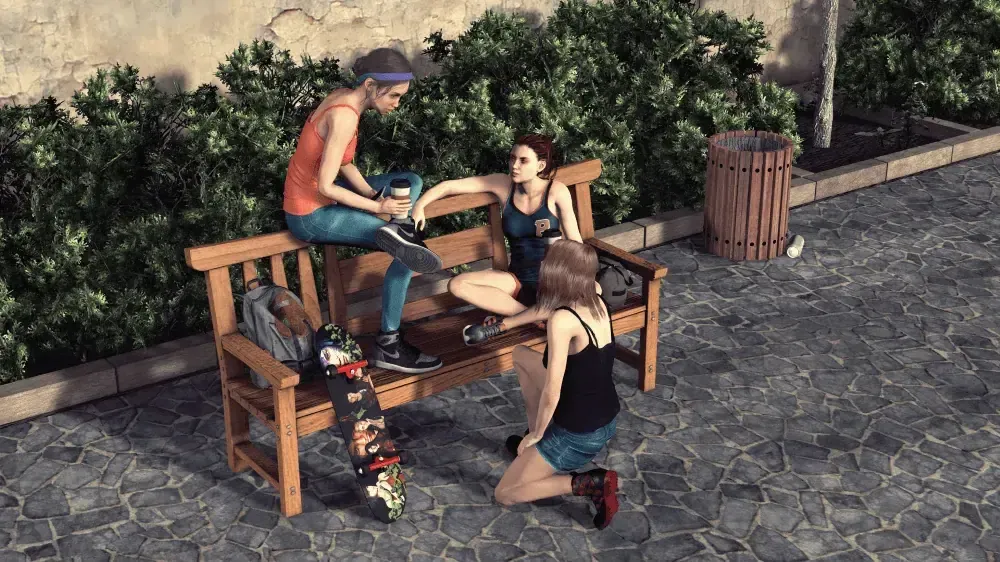
Short Sad Stories review
Explore the unique blend of interactive storytelling, meaningful choices, and emotional depth in this distinctive visual novel experience
Short Sad Stories stands as a distinctive interactive experience that redefines emotional storytelling in gaming. Created by Pent Panda, this visual novel immerses players in poignant narratives centered on complex characters navigating unexpected dilemmas and life transitions. Unlike traditional games focused on winning or achieving goals, Short Sad Stories invites you to witness, empathize, and understand deeply emotional journeys. The game masterfully blends interactivity with inevitability, where your choices shape emotional understanding rather than alter predetermined outcomes. Whether you’re drawn to narrative-driven experiences, character-focused storytelling, or games exploring themes of loss, regret, and personal growth, this guide explores what makes Short Sad Stories resonate with players seeking meaningful interactive fiction.
Understanding Short Sad Stories: Narrative Structure and Core Themes
You know that feeling when a story just… sticks with you? 🫂 Not because of a crazy plot twist or epic battle, but because of a quiet moment of recognition—a character’s regret, a longing glance, a choice that can’t be taken back. That’s the space where Short Sad Stories lives. It’s a game that trades swords for sighs and power-ups for profound emotional connection. If you’re tired of games that shout, here’s one that excels in the devastating, beautiful art of the whisper.
This isn’t just another visual novel; it’s a deliberate, intimate narrative-driven game experience built to make you feel, not just win. Forget level grinding and high scores. Your primary objective here is emotional comprehension. It’s about understanding the weight of a silence, the history behind a frown, and the fragile hopes of people just trying to get by. Let’s pull up a chair, get comfortable, and explore the narrative heart of this unique emotional narrative game.
What Makes Short Sad Stories Different From Traditional Visual Novels
So, you’ve played visual novels before. Maybe you’ve romanced anime schoolmates or solved supernatural mysteries. Short Sad Stories comes from a different lineage. Think of it less as a “novel” you click through and more as an interactive anthology of human experience. The core of its visual novel storytelling philosophy is restraint and focus.
Traditional visual novels often build expansive worlds with large casts and branching routes centered on a single protagonist’s journey. Short Sad Stories turns the lens inward on a small, interconnected group in a single, rain-slicked city. The scope is intimate, not epic. The drama isn’t about saving the world; it’s about saving yourself, or at least understanding why you can’t. The gameplay is the narrative. Your engagement isn’t measured in points, but in the depth of your empathy and the consequences of your subtle choices.
My First Playthrough Tip: I went in thinking I could “fix” everything for the characters. I quickly learned this game isn’t about fixing—it’s about witnessing, understanding, and sometimes, just being there for the fall. It’s a far more mature approach to interactive fiction themes.
The most significant difference lies in its pacing and payoff. Instead of one 50-hour saga, you have several concise, potent story arcs. Each is a complete emotional journey, often wrapping up in a single sitting, leaving you with a resonant feeling rather than a cliffhanger. This structure makes the Short Sad Stories narrative incredibly powerful; it’s a collection of poignant short films, not a blockbuster trilogy. The melancholy in the title isn’t a spoiler—it’s an invitation. It promises stories that have the courage to sit with sadness, and in doing so, often find genuine hope and resilience shining through the cracks. ✨
The Central Characters and Their Interconnected Stories
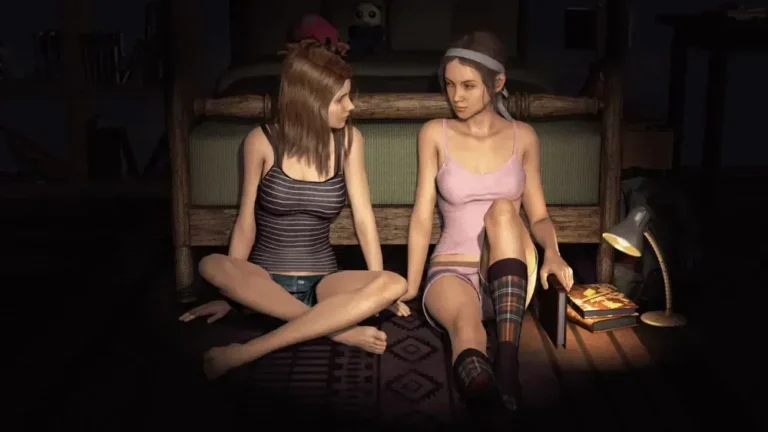
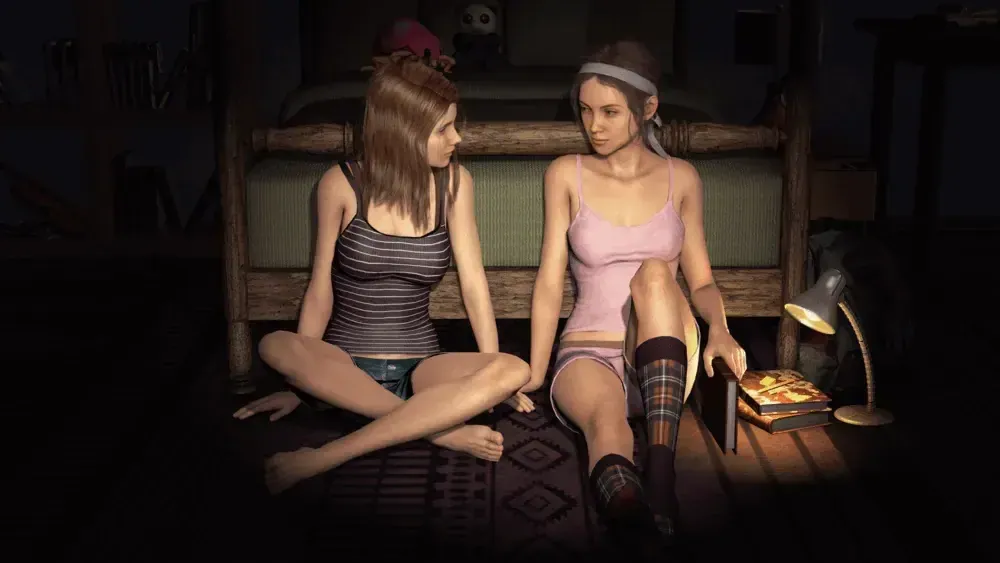
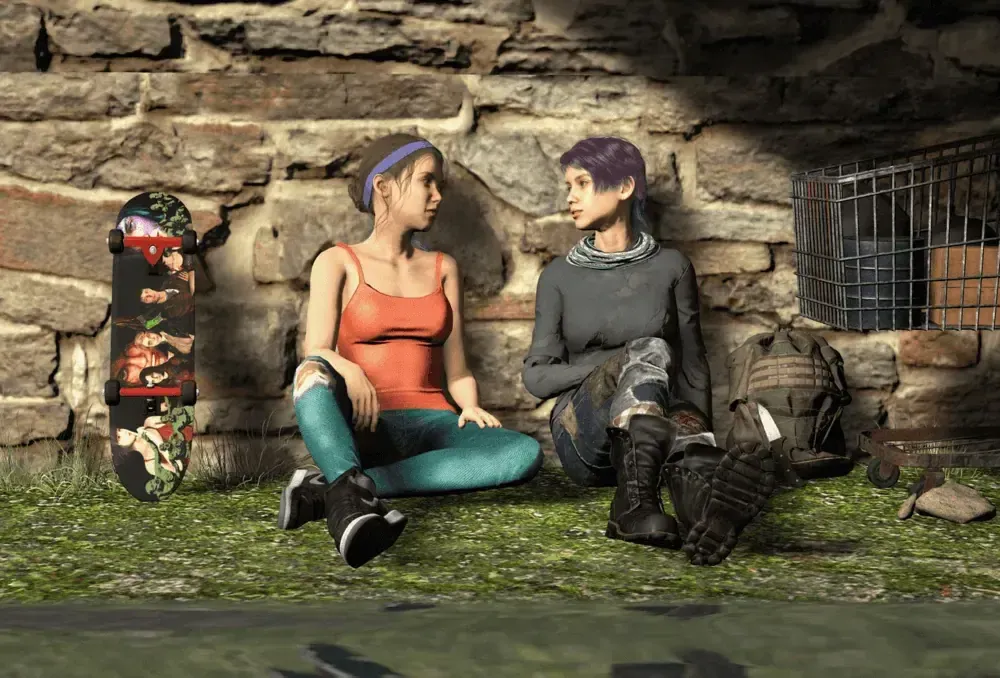
At the center of this web is Alice. Describing her as the “protagonist” feels almost too strong. She’s more of our anchor, our guide—a dreamy young woman perpetually caught in the liminal space between the stark reality of her city life and the rich, comforting fantasy of her own imagination. 🎨 Through her eyes, we see the world slightly off-axis, tinged with possibility and poetic sadness. She’s not a hero charging into action; she’s an observer, a connector, often seeing the threads between people before they see them themselves.
But Alice’s story is just the first thread you pull. The genius of this character-driven visual novel is how her path intersects with other young adults navigating their own unexpected dilemmas. You might meet:
* The musician who gave up his dream for stability and now watches his passion fade like an old photograph.
* The young professional whose relentless ambition has built a beautiful, empty life.
* The friend holding onto a grudge that’s become heavier than the original hurt.
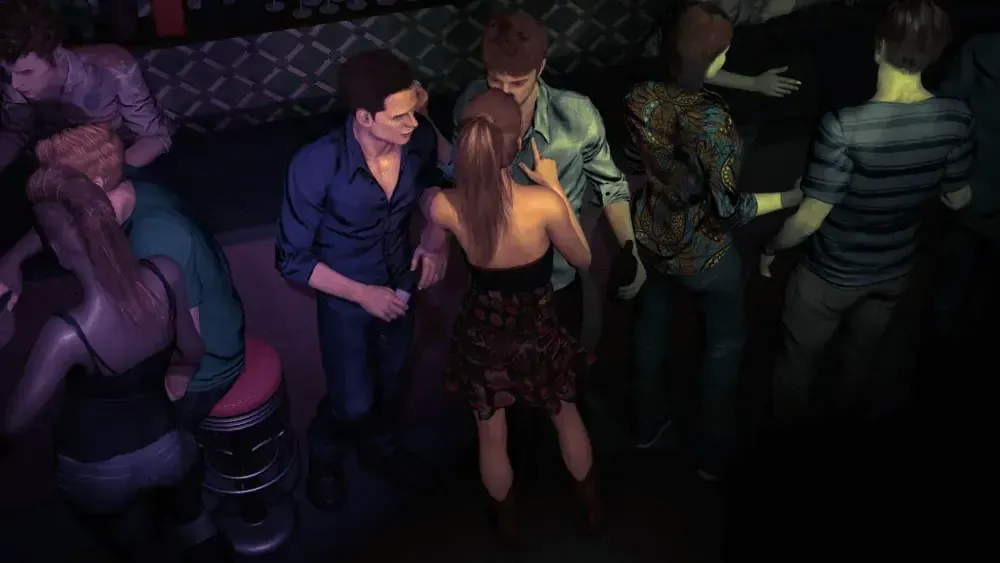
These aren’t random NPCs. Their stories are interconnected, creating a tapestry of urban loneliness and quiet connection. A choice you make while guiding Alice might close a door for her, but open a window you see through another character’s perspective two arcs later. You’ll realize the barista who served Alice her coffee is carrying a heartbreak you’ll directly experience in his own chapter. This design creates a profound sense of a living, breathing community. You’re not following a linear plot; you’re piecing together the collective emotional landscape of a place and its people.
This is where the visual novel character development truly shines. Because you engage with characters from multiple angles—through Alice’s impressions, their own dedicated arcs, and fleeting crossovers—you build a three-dimensional understanding of them. You see their brave face in one story, and their private collapse in another. Your choices directly influence which of these layers you uncover, making each playthrough a unique exploration of human complexity. 🧩
To see how these personal journeys translate into the game’s core, let’s look at the major themes that shape every interaction and choice.
| Story Arc Theme | Associated Narrative Mechanic | Emotional Payoff |
|---|---|---|
| Loss & Letting Go | Item Curation: Choosing which mementos to keep or discard from a relationship. | Bittersweet catharsis; the quiet peace that comes after a storm of grief. |
| Regret & Missed Chances | Memory Replay: Revisiting key past moments with the painful knowledge of the present. | Painful understanding, often leading to a resolve to live differently moving forward. |
| Personal Transformation | Dialogue Alignment: Choosing responses that reflect either old habits or a new, growing self. | A fragile, hard-won hope; the first green shoots after a long winter. |
Exploring Themes of Loss, Regret, and Personal Transformation
The Short Sad Stories narrative digs its hands into the rich, dark soil of universal human experiences. It doesn’t use these themes as backdrops, but as the very substance of its gameplay. This is where the game earns its title and its emotional weight.
Loss and Letting Go is perhaps the most gentle yet persistent theme. This isn’t always about death—it’s about the end of a friendship, the death of a dream, the loss of a version of yourself you thought you’d become. The game explores the physical clutter of loss through mechanics like curating a character’s belongings. Do you keep the concert ticket stub? Do you delete the old text chain? 🎫 These aren’t inventory puzzles; they’re emotional ones. The game beautifully illustrates that letting go isn’t about forgetting, but about choosing what to carry forward, and making space for something new. The emotional narrative game design here is masterful; you feel the physical weight of memory through simple, poignant interaction.
Then there’s Regret and Missed Chances. Oh, this one hits hard. The game has a brilliant way of using its interactive nature to make you complicit in regret. You’ll see a flashback—a moment where a character could have spoken up, reached out, or chosen a different path. As the player, you might even be given the choice in that memory, knowing full well the outcome it leads to. It’s a heartbreaking exercise in powerlessness that fosters deep empathy. You’re not just told “he regrets not calling her”; you feel the phantom ache of that unmade call. Exploring these interactive fiction themes forces a kind of reflective mirror on our own lives, asking what moments we might be letting slip through our own fingers.
But here’s the crucial, beautiful counterpoint the game makes: it is not a misery simulator. Woven through the loss and regret is the golden thread of Personal Transformation. This is the “hope” promised in the description. Transformation in Short Sad Stories is rarely dramatic. It’s not about becoming a new person overnight. It’s the small, brave choices: finally cleaning out that old drawer, sending a difficult but honest message, or simply deciding to be kind to yourself for one day. The narrative-driven game experience tracks this growth through subtle shifts in dialogue options and character interactions. You might notice Alice’s internal monologue becoming slightly less self-critical, or see another character finally look up at the sky instead of their feet.
This focus on emotional truth over traditional “action” is what defines the Short Sad Stories experience. It’s a game that trusts its audience to find meaning in stillness and power in vulnerability. It argues that understanding a sigh can be as valuable as defusing a bomb, and that helping a character find a sliver of peace is the ultimate achievement. By prioritizing this emotional narrative game structure, it creates a rare and memorable space for genuine reflection—a place where you can explore the sad, hopeful, complicated symphony of being human, one beautiful, interconnected story at a time. 🕊️
Short Sad Stories represents a transformative approach to interactive storytelling, proving that games can be powerful vehicles for emotional exploration and personal growth. By blending meaningful player choices with inevitable narrative outcomes, the game creates a unique space where your agency shapes understanding rather than destiny. The interconnected stories of Alice and other young adults navigating life’s unexpected challenges resonate because they prioritize emotional authenticity over traditional gameplay rewards. Whether you’re experiencing your first playthrough or discovering new narrative layers on subsequent visits, Short Sad Stories invites you to engage with themes of loss, regret, hope, and transformation in ways that linger long after the credits roll. If you’re seeking a visual novel that challenges conventional gaming expectations and offers genuine emotional depth, Short Sad Stories delivers a memorable journey that changes you rather than asks you to change the story.