Where the Heart Is
Play Where the Heart Is
Where the Heart Is Screenshots



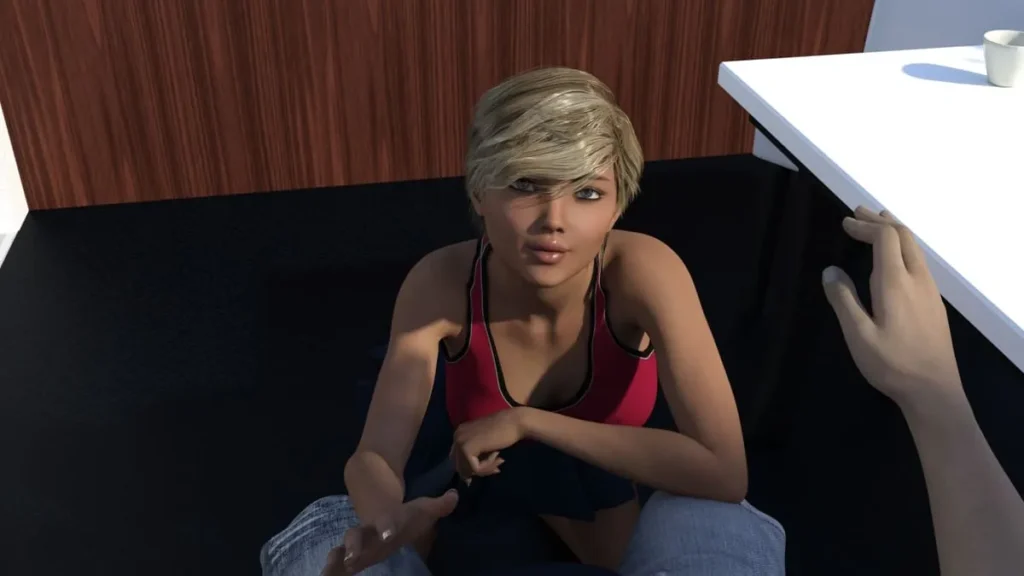








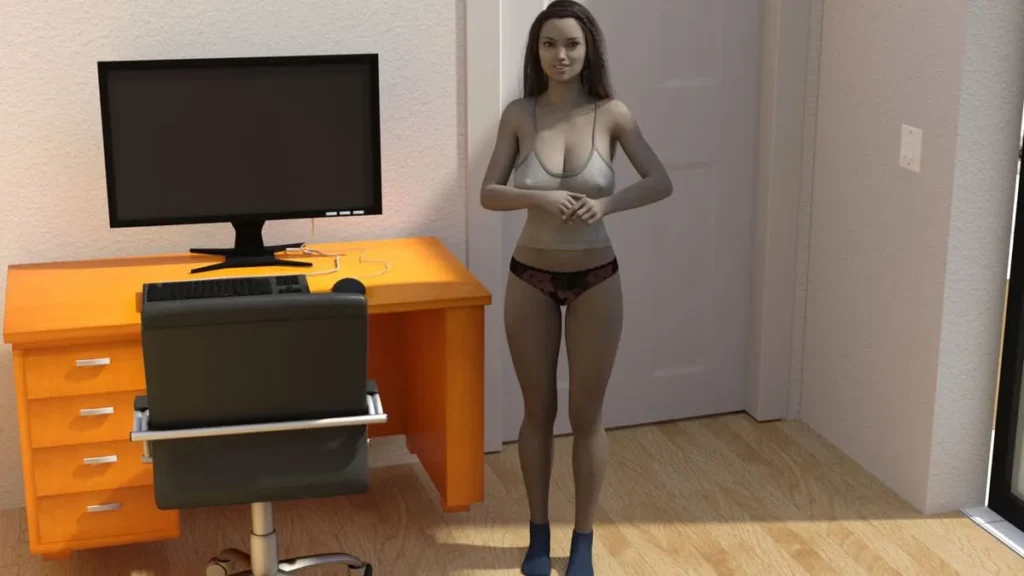










Where the Heart Is review
Explore storylines, characters, and gameplay mechanics in this adult visual novel
Where the Heart Is stands out as a narrative-driven adult visual novel developed using the Ren’Py engine with full HD graphics. This first-person perspective adventure places you in control of the male protagonist as he returns to his childhood home following his father’s death. The game centers on meaningful interactions with multiple female characters, each with distinct personalities and relationship paths. Whether you’re interested in slow-burn romances, passionate affairs, or exploring different narrative branches, this guide covers everything you need to know about the game’s mechanics, characters, and what makes it engaging for players seeking choice-based storytelling.
Game Overview and Core Mechanics
Remember that feeling of coming home after years away? 📦 That mix of familiar smells, old memories bubbling up, and the strange reality that nothing—and everything—has changed. Where the Heart Is captures that exact sentiment, but then masterfully twists it into a deeply personal, adult-oriented story where every glance and word holds weight. This isn’t just a game you play; it’s a story you inhabit.
Let’s unpack what makes this interactive fiction game such a compelling experience, from its heartfelt premise to the intricate mechanics that put your choices in the driver’s seat. 🎮
What Is Where the Heart Is?
At its core, Where the Heart Is is a first-person visual novel that pulls you into a narrative rich with emotion, complexity, and consequence. You step into the shoes of a young man returning to his childhood town after the death of his father. The house is empty, the memories are heavy, and the future is a blank page.
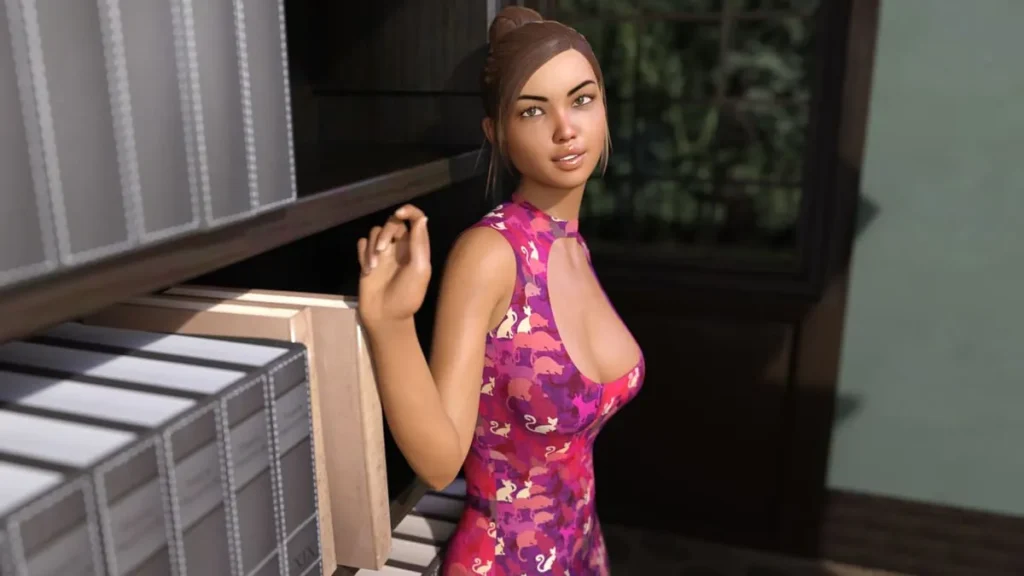
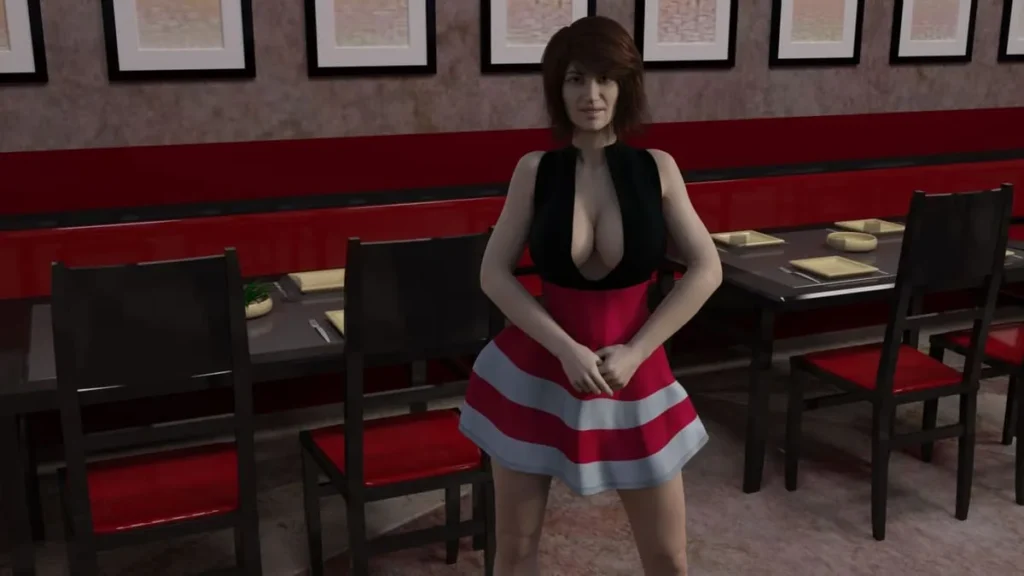
Your anchor in this sea of change? Monica, your mother’s lifelong best friend, who welcomes you with open arms. And it’s not just Monica; you’re reintroduced to her two daughters, young women you once knew as girls, now navigating their own lives. This setup is the brilliant spark for this narrative-driven adventure. You’re not just a visitor; you’re a catalyst, and your presence begins to gently reshape the dynamics of this family and the entire community around you.
The Where the Heart Is game uses a first-person perspective flawlessly. You see the world directly through the protagonist’s eyes. When Monica smiles warmly, that smile is directed at you. When a conversation turns tense, the other character’s expression is locked onto your viewpoint. This creates an unparalleled sense of immersion. You’re not watching a story about someone else; you’re making decisions for yourself within the story. It removes the barrier of a third-person avatar, making every interaction feel intimate and immediate.
From this vulnerable starting point, the game blossoms. The small town is filled with a vibrant cast of characters—friends from the past, intriguing neighbors, and various locals—each with their own stories, secrets, and personalities. Your journey in this adult visual novel becomes about finding your place, exploring these renewed connections, and discovering where your heart truly belongs.
Choice-Based Gameplay System
This is where Where the Heart Is truly shines and earns its stripes as a premier interactive fiction game. The story doesn’t unfold on rails. Instead, it branches, twists, and turns based entirely on your decisions. The choice-based gameplay here is both elegant and deceptively deep, operating on two main levels that feel incredibly true to life.
🎯 Pro Tip: Think of every choice as planting a seed. You might not see the tree it grows into until several chapters later. There’s no “right” answer, only your answer.
The system can be broken down into a few key mechanics:
- The Dual Choice System: Your decisions generally fall into two camps. Conversation-based choices dictate your tone, your honesty, and your emotional response. Are you playful, sincere, or reserved? These choices build your personality in the eyes of others. Then there are action-based choices. These are the bigger, plot-defining moments: deciding who to spend time with, whether to pursue a certain opportunity, or how to handle a delicate situation. Both types are crucial and constantly weave together.
- Relationship Algorithm: Beneath the surface, the game tracks your standing with every major character. Each key decision nudges your relationship meter with them up or down, often invisibly. A supportive comment to one daughter might bring you closer to her, while subtly altering your dynamic with her sister. It’s a delicate social dance.
- Learning Character Preferences: This is the core gameplay loop. Characters in Where the Heart Is have consistent likes, dislikes, histories, and moods. Part of the fun—and the strategy—is learning these through careful observation and conversation. Remembering that a character values honesty above all, or has a secret passion for art, allows you to make choices that resonate deeply with them.
- The Power of Reload: A signature feature of great choice-based gameplay is the ability to explore. The game encourages you to save often and reload previous chapters to see how different decisions unfold. Did a conversation end badly? Go back and try a new approach. Wondering what would have happened if you’d chosen a different date? Find out! This turns a single playthrough into a vast playground of narrative possibilities.
Let me share a personal experience. In one early playthrough of this adult visual novel, I approached every interaction with what I thought was charming confidence. 😎 I cracked jokes, flirted lightly, and tried to be the “cool” new guy in town. By the second chapter, I noticed Monica’s dialogues becoming slightly shorter, more guarded. One of her daughters seemed amused, but the other viewed me as insincere. The game was reacting to my chosen persona.
I reloaded a save and tried a more earnest, thoughtful approach. The difference was night and day. Monica shared more about her past, opening up in a way that felt genuinely rewarding. The narrative paths available to me began to diverge significantly. It was a powerful lesson: in Where the Heart Is, who you choose to be is the most important decision of all.
Technical Specifications and Engine
So, what’s powering this rich, immersive experience? Where the Heart Is is built on the renowned Ren’Py engine. If you’re a fan of visual novels, this name is like hearing a favorite director is attached to a new film. 🎬 For newcomers, Ren’Py is a powerhouse in the genre, trusted by developers for its flexibility and focus on delivering compelling narrative experiences.
The choice of Ren’Py is a huge win for players. First, it ensures remarkable stability and smooth performance across a wide range of PCs. You won’t need a cutting-edge gaming rig to enjoy this story; it’s accessible. Second, the engine is specifically designed for the kind of interactive fiction game Where the Heart Is aims to be—managing branching dialogue, tracking countless variables (like those hidden relationship scores), and seamlessly blending text, images, and sound.
Visually, the game takes full advantage of modern capabilities. It features full HD 1920×1080 graphics rendering, which means every background, every character expression, and every detailed scene is presented with crisp, clear quality. This is crucial for immersion. When you’re looking into a character’s eyes during an important confession, the high resolution makes the moment feel that much more real and impactful. The visual novel format is perfected here, with professional artwork that conveys a wide spectrum of emotions, from subtle smiles to poignant tears.
A major technical benefit of this Ren’Py engine game is its player-friendly design. The interface is clean and intuitive. Saving your game is instant, allowing you to create a “bookmark” before any big decision. The loading times are typically very fast, which makes the aforementioned experimentation—reloading to try different paths—a smooth and painless process, not a chore. It respects your time and curiosity.
To give you a clear snapshot of what this all means in practice, here’s a breakdown of the core technical and design features:
| Feature Category | Specification |
|---|---|
| Engine | Ren’Py Visual Novel Engine |
| Graphics | Full HD (1920×1080) Renderings |
| Perspective | First-Person (Player Viewpoint) |
| Core Gameplay Style | Choice-Based Narrative & Relationship Building |
| Character Scope | Multiple Primary Characters + Supporting Cast & NPCs |
This robust yet elegant technical foundation is what allows the heartfelt story and complex choice-based gameplay of Where the Heart Is to take center stage without distraction. It just works, so you can focus on the people, the story, and the countless decisions that make your playthrough uniquely yours. The true magic of this narrative-driven adventure is that it provides the tools, the stage, and the cast, but you are always the director. 🎭 Your journey back home is waiting to be written, one choice at a time. Remember, the most powerful tool the game gives you isn’t in a menu—it’s your save file. Use it liberally to explore every “what if” your heart desires
Where the Heart Is delivers a compelling adult visual novel experience that prioritizes player agency and meaningful storytelling. The game’s strength lies in its choice-based mechanics that allow players to shape their own narrative through conversation and action decisions. With multiple characters offering different relationship paths—from slow-burn romances to passionate encounters—there’s substantial replay value for those interested in exploring various outcomes. The Ren’Py engine provides solid technical performance with full HD graphics, creating an immersive first-person experience. Whether you’re drawn to the emotional depth of character relationships, the satisfaction of discovering character preferences, or the branching narrative structure, Where the Heart Is offers a rich interactive fiction experience. For players seeking adult-oriented visual novels with genuine player choice and consequence, this game stands as a notable entry in the genre.