Play Returning to Mia
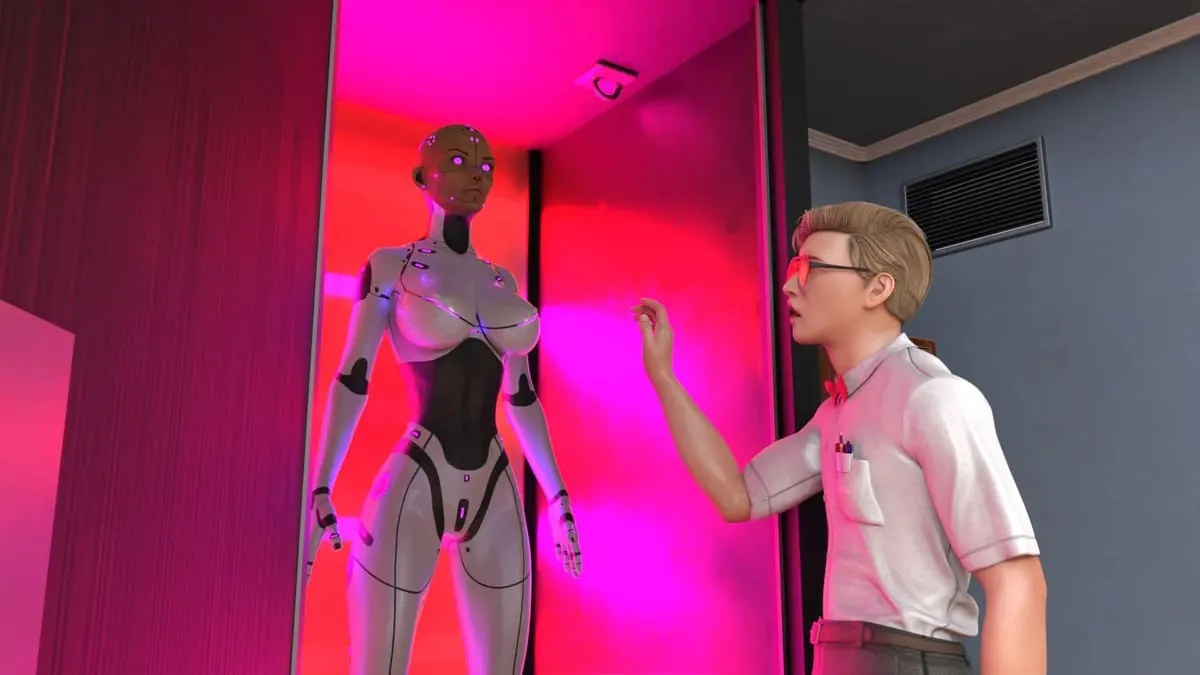
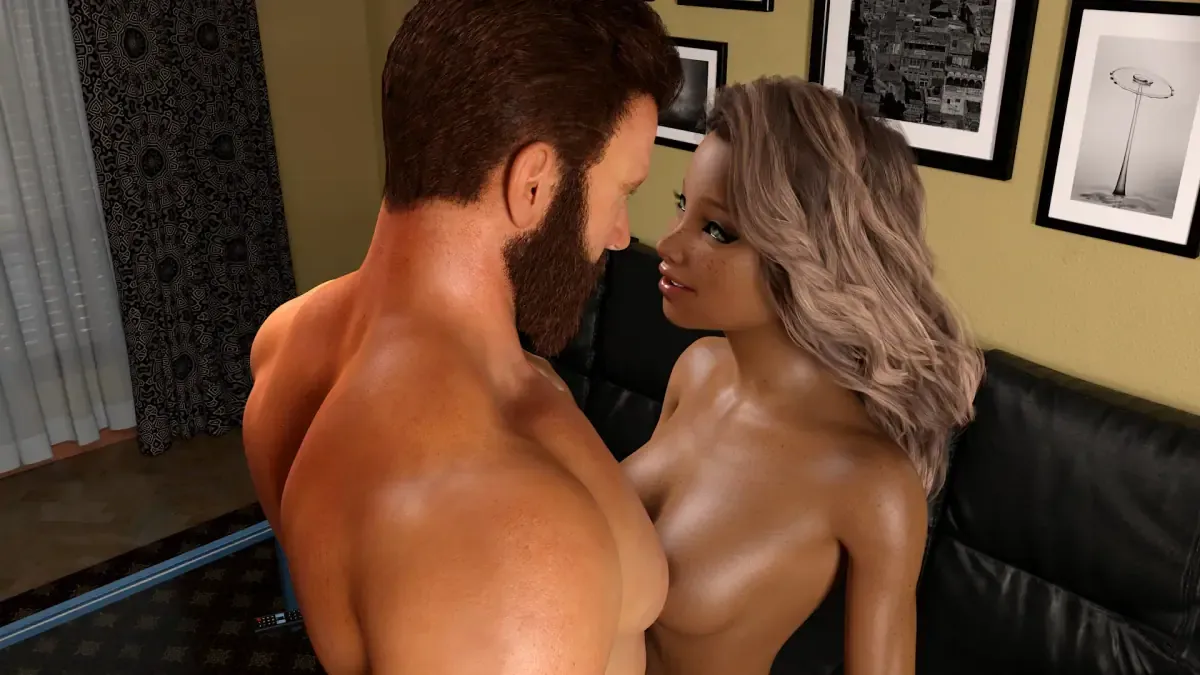
Returning to Mia Screenshots

















Returning to Mia review
Everything you need to know about the sequel’s storyline, characters, and gameplay features
Returning to Mia stands as the highly anticipated sequel to the original Summer with Mia visual novel experience. Set two years after the events of the first game, this continuation expands the narrative with a richer storyline, new characters, and returning favorites. Whether you’re a fan of the original or new to the series, understanding what this sequel offers is essential. This guide covers everything from plot progression and character arcs to gameplay mechanics and what makes this installment unique. Discover how the developers enhanced the experience and what players can expect from this engaging interactive narrative.
Story & Narrative: What Happens in Returning to Mia
Remember that incredible, bittersweet summer from the original game? The one that probably left you staring at the screen, wondering what happened next? Well, wonder no more. The Returning to Mia story picks up the threads of your past decisions and weaves them into a rich, complex tapestry that feels both warmly familiar and thrillingly new. If you thought your journey was over, you’re in for a wonderful surprise. This sequel isn’t just a new chapter; it’s a masterclass in meaningful character development sequel storytelling.
Buckle up, because we’re diving deep into the heart of this narrative. This guide will walk you through every twist, reunion, and tough choice in the Returning to Mia saga. 😊
Timeline and Setting: Two Years Later
Let’s set the scene. The game plot two years later isn’t just a casual detail—it’s the entire foundation of the sequel’s emotional weight. Two years is a perfect span: long enough for lives to have genuinely changed, for people to have grown apart or pursued new dreams, but not so long that the memories of that pivotal summer have completely faded.
You return to the game’s world not as the same person who left, and neither have the characters. The locations you loved are still there, but they feel different. The familiar beach might have a new boardwalk shop; the old hangout spot might be under new management. This deliberate setting creates an immediate sense of nostalgia mixed with the excitement of rediscovery. The narrative progression cleverly uses this time jump to introduce natural conflict and curiosity. What has Mia been doing? How have your actions, big and small, echoed over those 24 months?
Pro Tip: Pay close attention to environmental details when you first start playing! The developers have littered the world with subtle clues about what everyone has been up to during the gap. A photo on a desk, a new book on a shelf, or a changed decoration can tell a silent story before a single line of dialogue is spoken. 🕵️♂️
The tone matures alongside the timeline. While the first game had the carefree, exploratory vibe of a summer fling, Returning to Mia often deals with more grounded themes: responsibility, the consequences of past actions, rekindling connections, and deciding what you truly want from life. The game plot two years later allows for more serious, impactful storytelling without losing the charm that made the original so beloved.
Main Plot Developments and Character Reunions
Alright, let’s talk about the moment you’ve been waiting for: the reunions. The core of the Returning to Mia story is the emotional payoff of seeing these characters again. This isn’t a simple reset; the relationships have history, and that history matters—a lot.
The game begins with your character returning to the coastal town for a specific reason, perhaps a summer job, a family event, or simply a longing to revisit the past. This catalyst sets the stage for inevitable run-ins with the old crew. The initial meetings are some of the most well-written moments in the game. There’s awkwardness, joy, hesitation, and sometimes unresolved tension, all depending on how you left things.
The list of returning characters is substantial, and each one has a dedicated arc that reflects the passage of time. Mia, of course, is at the center of it all. She’s not the exact same person you remember. She might be more focused on her career, have new hobbies, or carry a bit of guardedness from the way things ended. Your job is to navigate this new dynamic, to rebuild trust and connection, or perhaps to explore a different path entirely. This is where the character development sequel truly shines, transforming static love interests into complex individuals with their own off-screen lives.
But it’s not just about Mia. Your friends from the first game are back, and their stories are equally compelling. Maybe the class clown is now a stressed business owner, or the shy artist has gained confidence and is pursuing their passion. These returning characters provide a rich support system (or source of drama) and their subplots are often intertwined with your own. Your previous relationships with them—whether you were a loyal friend or a bit of a jerk—will color your interactions, creating a deeply personalized experience. The narrative progression ensures these aren’t just cameos; they are integral to the world feeling alive and continuous.
New Characters and Expanded Storylines
What’s a homecoming without meeting a few new faces? The introduction of new characters in Returning to Mia is handled brilliantly, avoiding the pitfall of them feeling like intrusive replacements. Instead, they organically expand the world and create fresh dynamics and conflicts.
These new arrivals serve several key purposes:
* They reflect change: They represent the town’s evolution over two years—new residents, new business owners, new students.
* They provide new perspectives: They have no history with your past summer, allowing for relationships built entirely on who you are now.
* They create compelling triangles and drama: A new love interest or a charismatic rival can completely reshape your options and challenge your old attachments.
For example, you might meet a driven journalist researching the town’s history, who draws you into a mystery that runs deeper than your personal affairs. Or a new co-worker who becomes a fast friend (or more), making you question whether you’re clinging to the past or building a future. These new characters in Returning to Mia are fully realized, with their own motivations and backstories that you can choose to explore, adding layers to the main Returning to Mia story.
This brings us to the beating heart of the experience: storyline choices and consequences. The sequel massively expands on the original’s foundation. Choices are no longer just about who to spend the day with; they can affect characters’ careers, relationships with each other, and the overall health of the community. A decision you make in Chapter 2 might close off a subplot in Chapter 6, but open up a completely unexpected path in Chapter 8.
The game also implements a sophisticated system that references your save data from the first game (or uses a detailed introductory questionnaire if you’re new). Did you promise to write? Did you have a big fight? Did you share a secret? These moments are remembered, influencing dialogue options, character attitudes, and available story branches. The storyline choices and consequences are profound, making each playthrough feel uniquely yours. Want to rekindle a romance? It’ll take work. Want to pursue a new character? Your past might complicate things. It’s gloriously messy and real.
To help you keep track of the bustling cast, here’s a breakdown of who’s back and who’s new:
| Character | Status | Role & Notes |
|---|---|---|
| Mia | Returning | The central figure. More mature, with her own career aspirations and a nuanced view of your past relationship. The core dynamic driver. |
| Alex | Returning | Your loyal (or perhaps estranged) best friend. Often runs a local business now, providing a hub for social activity and grounded advice. |
| Sarah | Returning | The artistic soul. Has likely pursued further studies or a creative project, showcasing significant character development sequel traits. |
| Jake | Returning | The former rival/friend. Dynamics can range from friendly competition to simmering resentment based on past choices. |
| Elena | New | A savvy newcomer, perhaps a cafe owner or event planner. Represents the town’s growth and offers a fresh, history-free connection. |
| Leo | New | A passionate environmental researcher or writer. Ties into expanded storylines about the town’s future, creating new conflicts and alliances. |
| Dr. Evans | New | A respected figure in town, like a curator or historian. Opens up quests related to local lore, adding depth to the setting. |
The magic of Returning to Mia is how it balances the comfort of the old with the excitement of the new. The narrative progression never lets you rest on your laurels. Just as you settle into a familiar rhythm with an old flame, a new opportunity or crisis emerges. The storyline choices and consequences are weighty, often asking you to choose between personal desire and what’s best for the community or your friends.
In my own playthrough, I was so focused on repairing things with Mia that I neglected a new character’s subplot involving a local festival. Later, that festival failed due to my lack of support, which soured the mood of the entire town and made several returning characters disappointed in me. It was a stark lesson that the world now operates on a larger scale! 🎭
Ultimately, the Returning to Mia story succeeds because it respects your past investment while daring to be more ambitious. The game plot two years later provides the perfect catalyst for growth, conflict, and heartfelt storytelling. Whether you’re here for closure, a new romance, or to see your old friends thrive, the game delivers a profoundly satisfying and personalized journey where every choice genuinely shapes the world and relationships around you. It’s not just a sequel; it’s a testament to how powerful interactive storytelling can be when it embraces the passage of time and the complexity of human connections.
Returning to Mia represents a significant evolution in interactive storytelling, building upon the foundation established by its predecessor with a richer narrative, expanded character roster, and refined gameplay systems. The sequel’s two-year time jump allows for meaningful character development while introducing fresh dynamics through new cast members. Players can expect a more complex relationship system, multiple branching paths that reward different playstyles, and substantially more content to explore. Whether you’re drawn to the character-driven narrative, the relationship mechanics, or the ability to shape your own story through meaningful choices, Returning to Mia delivers an engaging experience. For those who enjoyed the original Summer with Mia, this sequel is a worthwhile continuation that respects player investment while offering new surprises. Start your journey back into this world and discover how your choices shape the unfolding narrative.