The Theater of Sinners
Play The Theater of Sinners
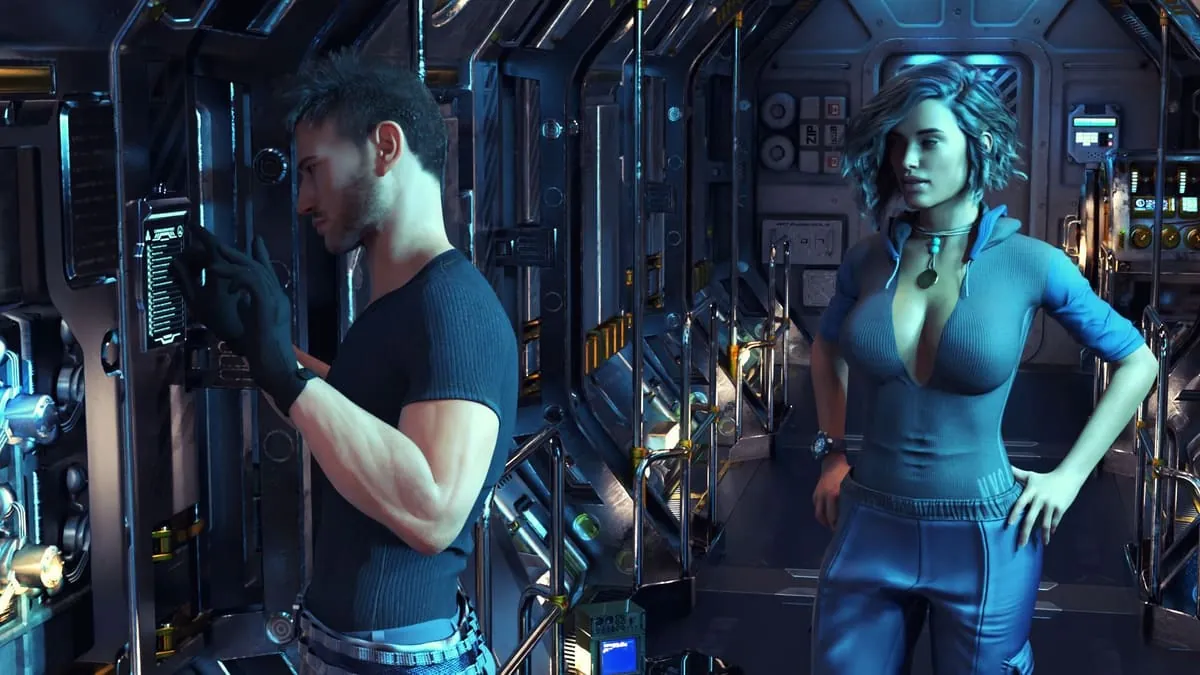
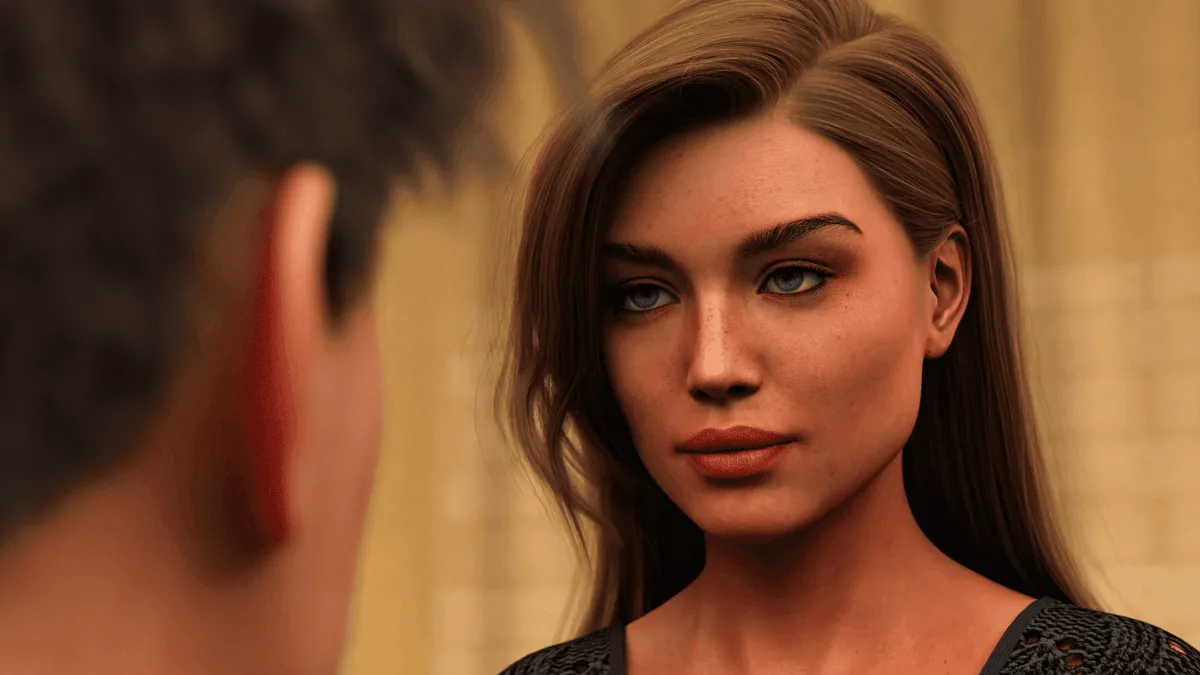
The Theater of Sinners Screenshots
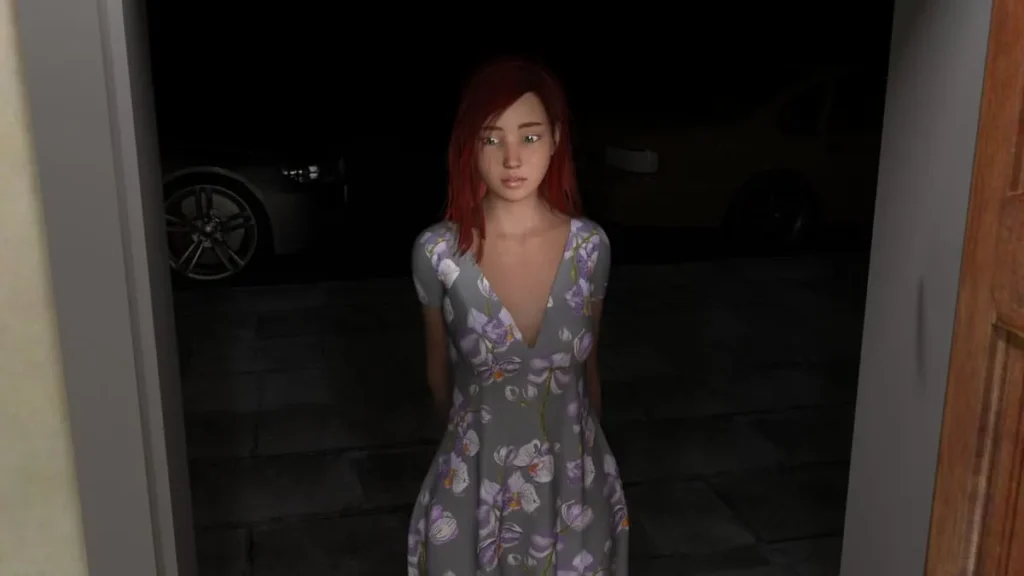
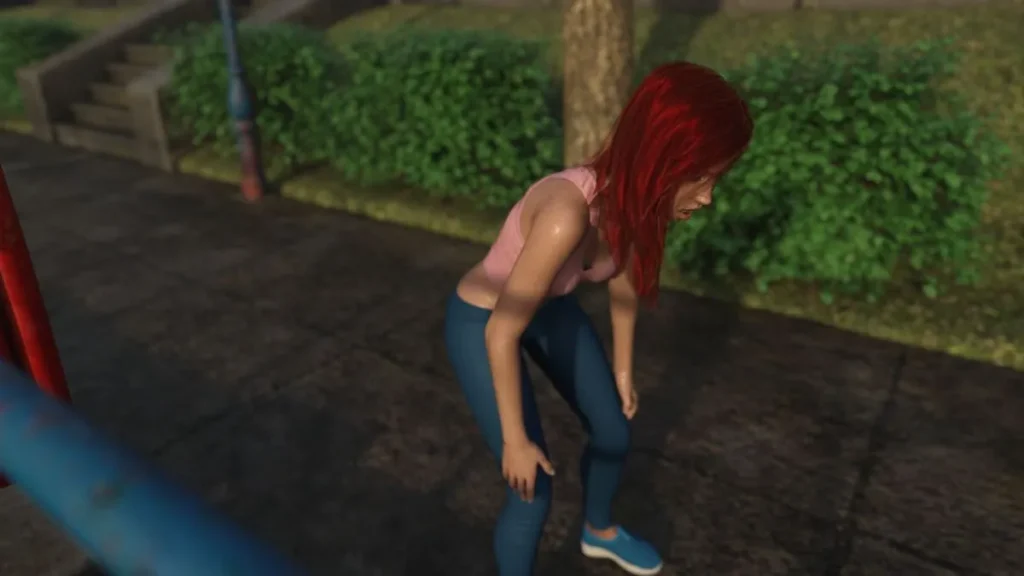
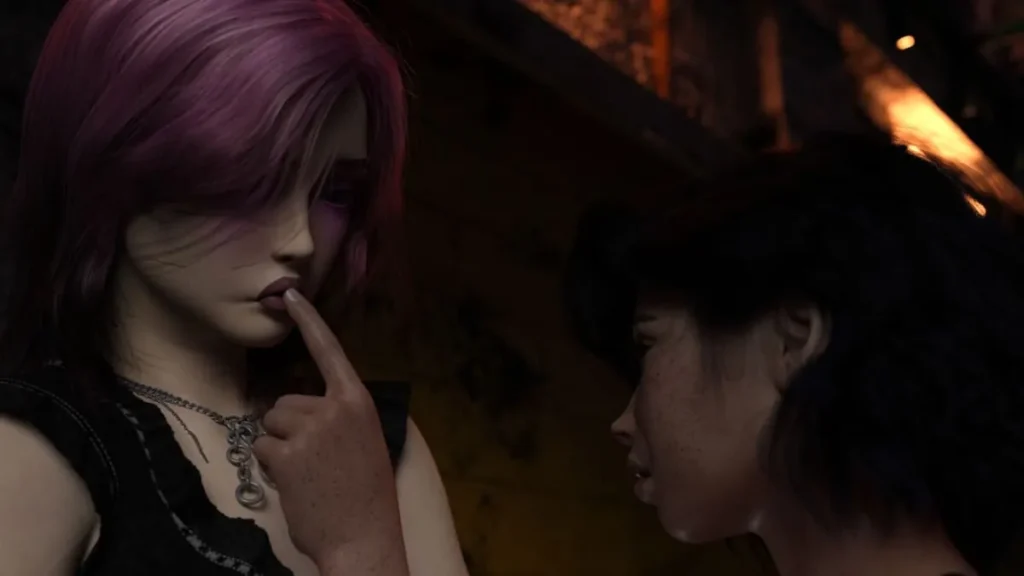
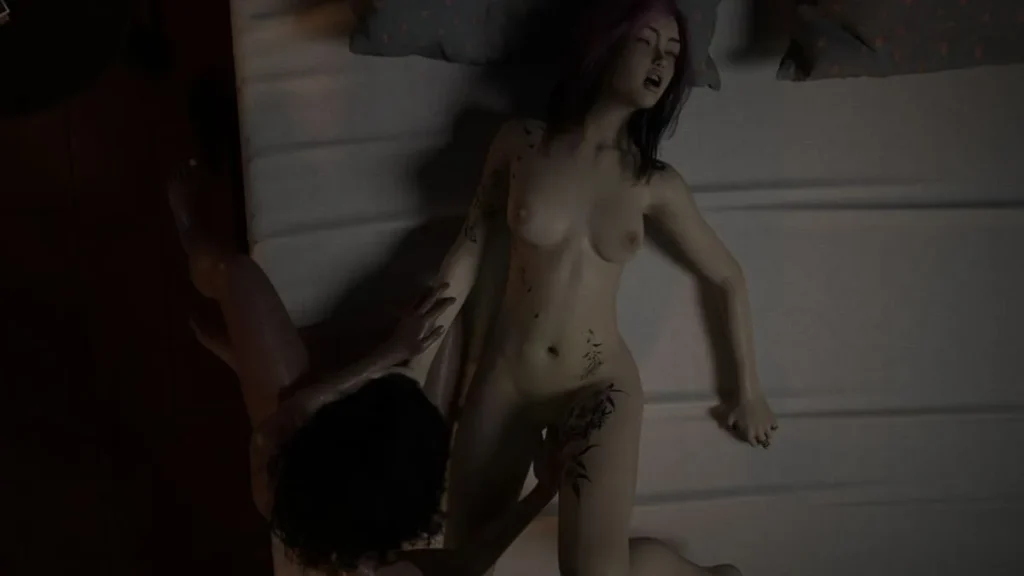
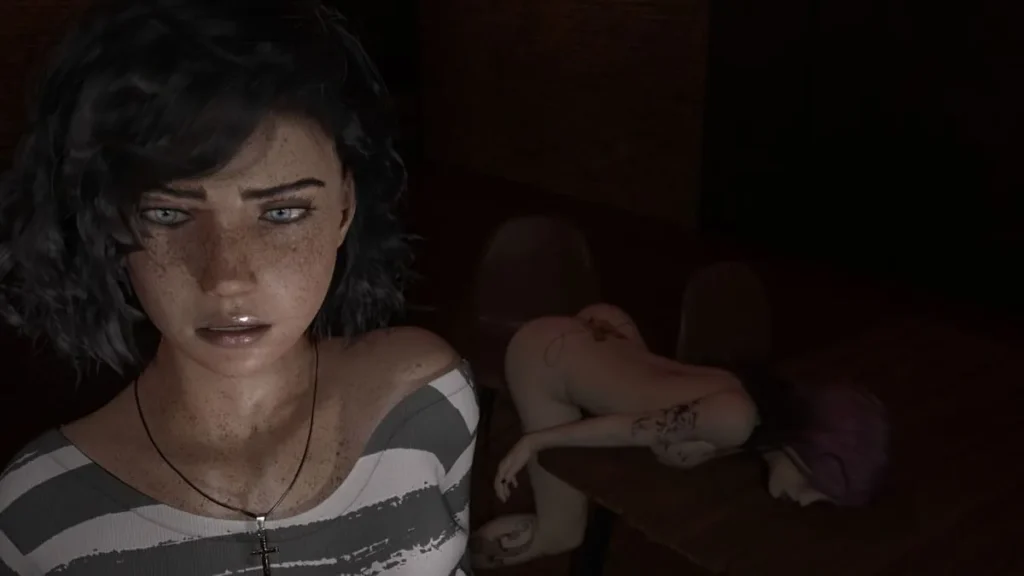


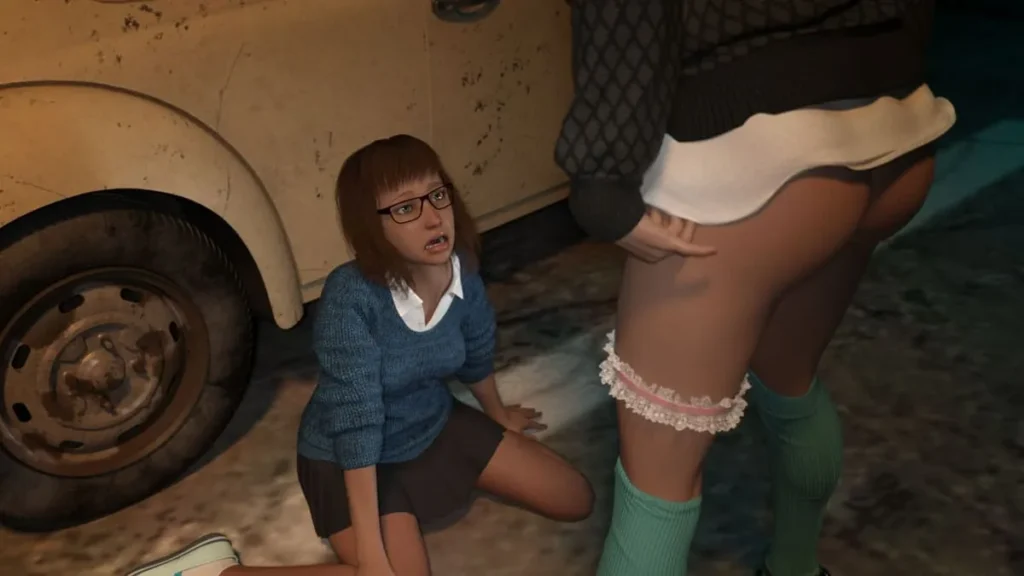
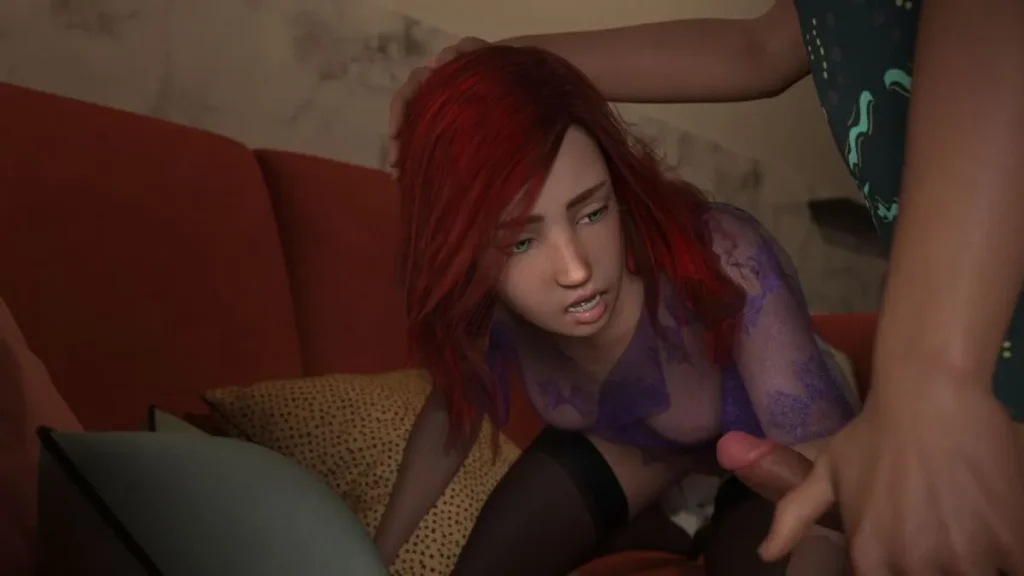
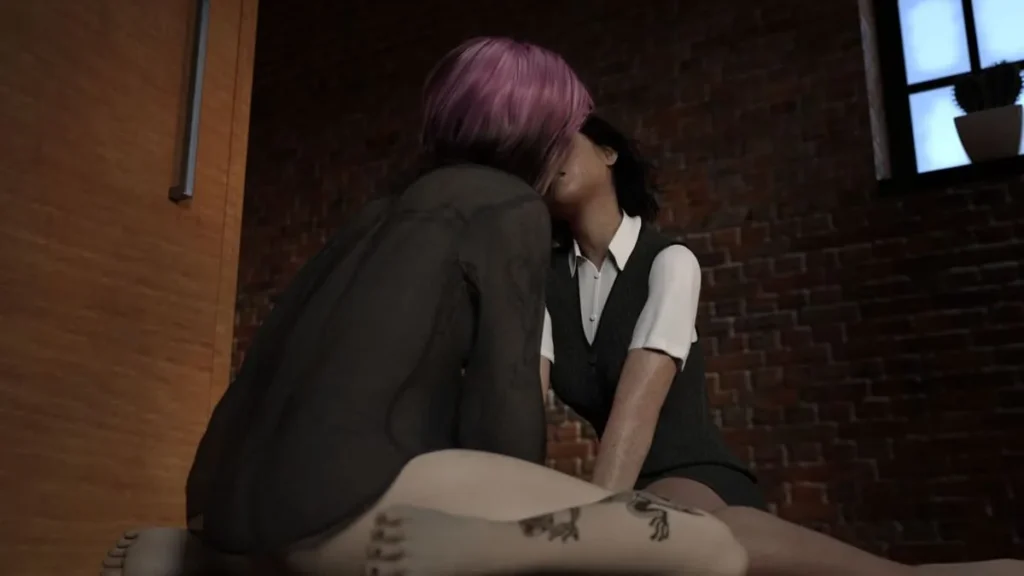
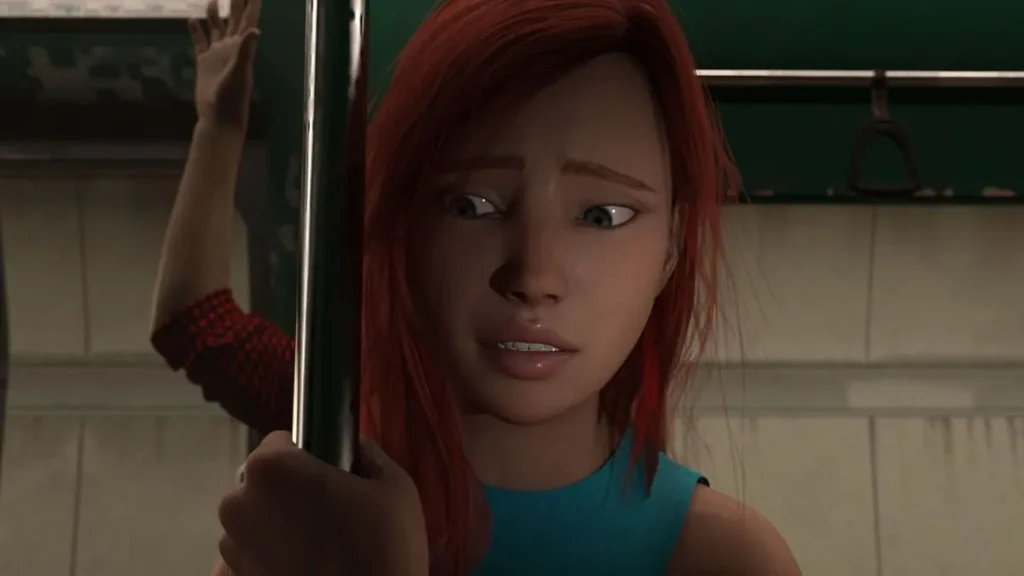
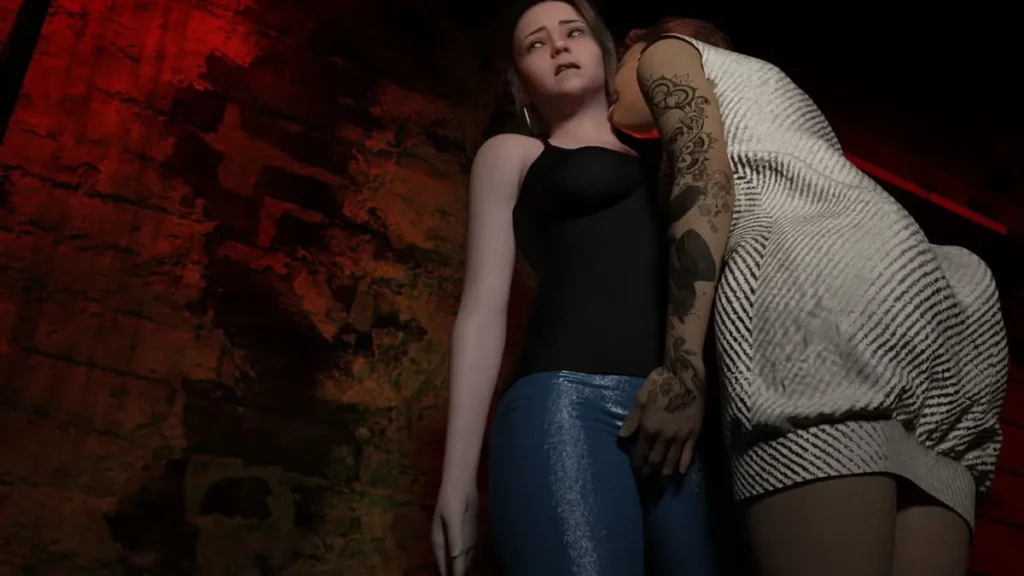
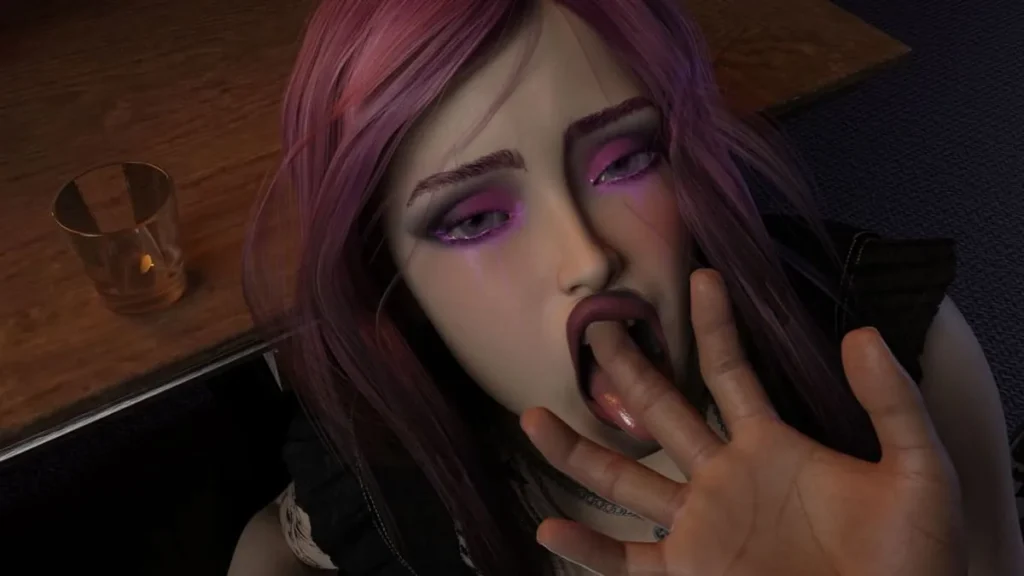
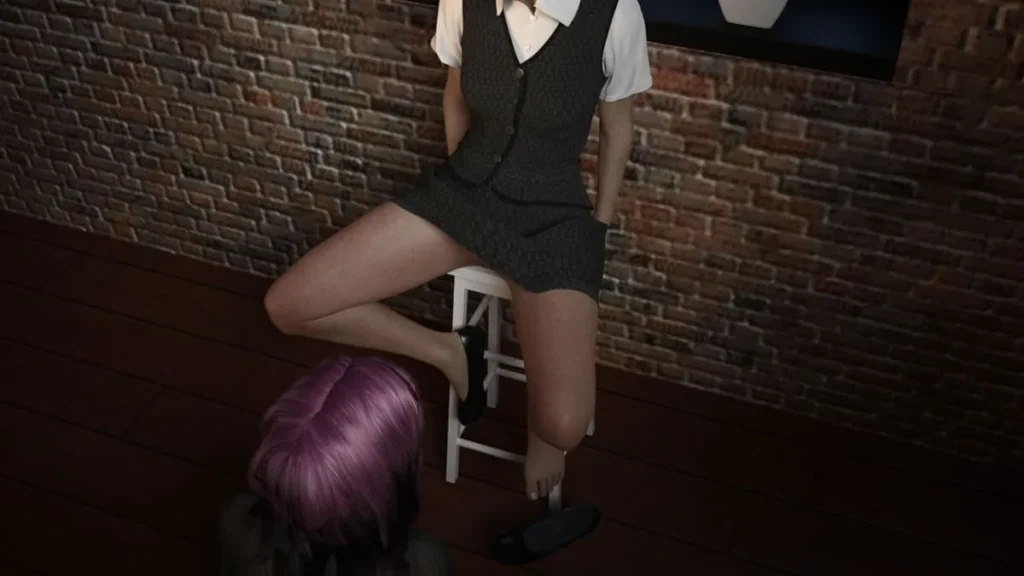
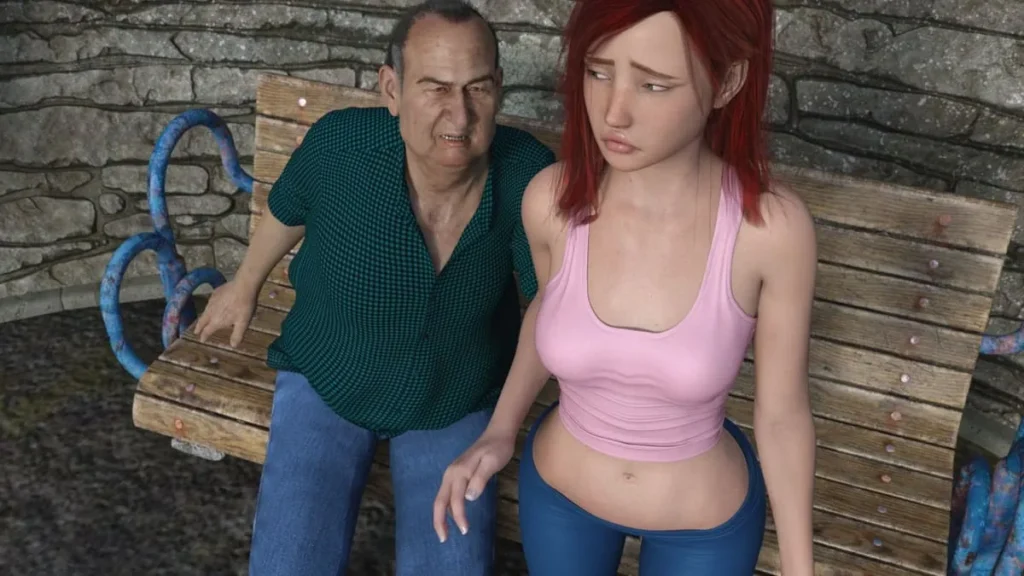
The Theater of Sinners review
Exploring the dark narrative, complex characters, and decision-driven gameplay of this adult psychological fantasy experience
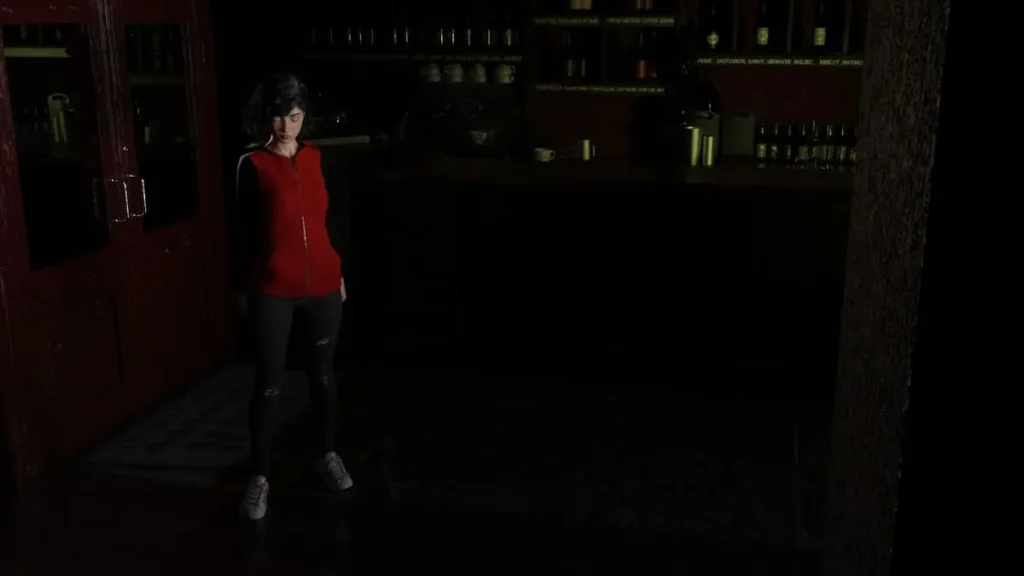
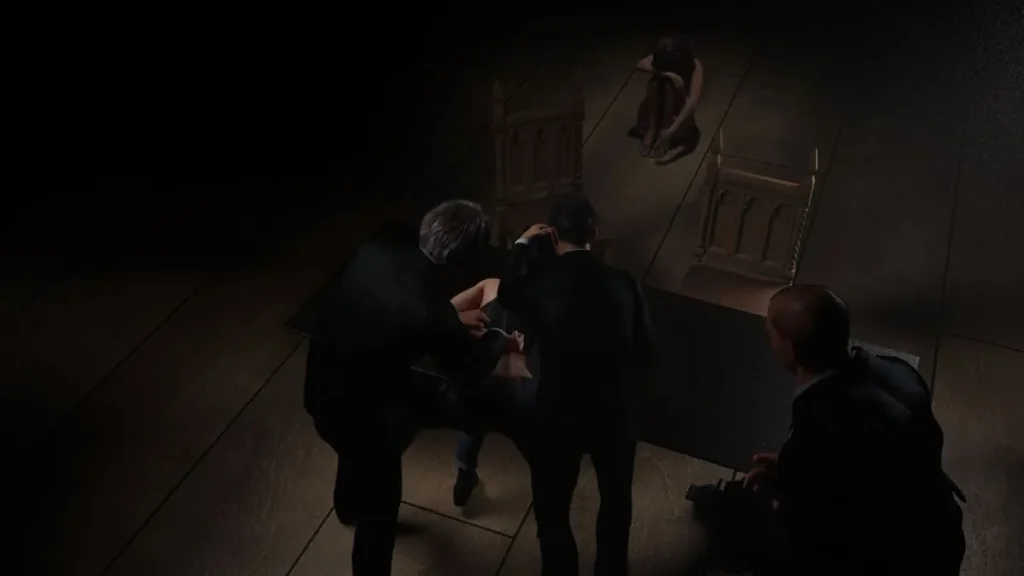
The Theater of Sinners stands out as a unique decision-based visual novel that blends psychological horror with mature themes and complex character development. Developed by JustXThings and currently in version 0.3 Alpha 1, this interactive experience immerses players in a morally ambiguous world where choices genuinely matter. Unlike traditional games with clear moral paths, The Theater of Sinners presents scenarios that feel human and unpredictable, forcing players to navigate through corruption, redemption, and psychological depth. Whether you’re drawn to narrative-driven experiences or intricate character studies, understanding what this game offers is essential before diving into its twisted world.
Understanding The Theater of Sinners: Core Gameplay and Story Foundation
Ever clicked on a game expecting a simple story and instead found yourself staring at the screen an hour later, your coffee gone cold, utterly haunted by a choice you made? 🫣 That was my exact experience with Theater of Sinners visual novel. This isn’t your typical pick-a-path adventure; it’s a deeply personal, often uncomfortable plunge into a world where the lines between spectator, creator, and participant are violently erased. Built on the accessible Ren’Py engine, it delivers a psychological fantasy horror experience that lingers long after you close the game.
At its core, this is a character-driven narrative game about four lost souls—Kaelen, Lyra, Silas, and Anya—whose stories are interwoven like a thorny, beautiful tapestry. You don’t just watch their tales unfold; you actively fray and mend the threads through every decision. Forget good versus evil. Here, you’re navigating the murky, compelling gray areas of human desperation, making branching storyline choices that feel less like game mechanics and more like genuine moral quandaries. Ready to step into the spotlight? Let’s pull back the velvet curtain.
What Makes This Visual Novel Different From Traditional Games
If you’re coming from traditional RPGs or action games, prepare to shift your mindset. 🎮➡️📖 The Theater of Sinners doesn’t care about your reflexes or your loot inventory. It cares about your attention, your empathy, and your tolerance for psychological discomfort. The primary “gameplay” is reading, observing, and choosing—but to call it passive would be a catastrophic misunderstanding.
First, the structure is masterfully non-linear. The narrative dances between the present action in the Grand Theater and crucial flashbacks to each character’s past. You might be directing a tense performance one moment, and the next, you’re unraveling the childhood trauma that made your protagonist so perfectly suited for this awful stage. This back-and-forth isn’t just for show; it’s the key to understanding the “why” behind every shaky decision you’re asked to make. It transforms the experience from a simple story into a deep psychological profile you’re actively assembling.
Secondly, your role is uniquely fluid. You are at once:
* The Playwright: Deciding the core direction of each character’s “performance.”
* The Director: Shaping the moment-to-moment actions and reactions on stage.
* The Actor: Often, choices will lock you into a perspective, forcing you to feel the consequences of a decision from inside the character’s skin.
* The Reluctant Audience: Sometimes, you can only watch, a captive to the terrible momentum of a story you set in motion.
This interactive storytelling experience removes the safety net. There’s no reloading a save to get a “perfect” ending because the concept doesn’t exist. There are only endings that are true to the choices you made, for better or worse. The developer’s note that this is a free passion project, a story told like another might write a book, is felt in every line of dialogue—this is a world built not for profit, but for profound narrative impact.
The Setting: Inside the Grand Theater of Shadows
Imagine a place that exists just outside the edges of polite society. A gilded, opulent theater where the air is thick with expensive perfume, old secrets, and the coppery tang of anticipation. 🎭 This is the Grand Theater of Shadows, the brilliant and terrifying stage for our psychological fantasy horror.
This is no ordinary playhouse. It’s a clandestine arena for the wealthy, powerful, and utterly bored. Here, grievances are settled, darkest desires are fulfilled, and fortunes are won or lost, all through elaborate, custom-crafted performances. The currency isn’t money—it’s secrets, favors, and human suffering, elegantly packaged as entertainment. The four protagonists aren’t here by chance; they are the “talent,” individuals with shattered pasts and unique traits, recruited (or coerced) to become performers in these live-action dramas of revenge, power, and catharsis.
The genius of this setting within The Theater of Sinners visual novel is its narrative flexibility. The Theater can become anything: a haunting Victorian manor, a stark modern interrogation room, a surreal dreamscape. This allows the game to seamlessly blend genres—from gritty realism to dark fantasy to outright psychological horror—while maintaining a consistent, oppressive atmosphere. The stage is both a prison and a perverse sanctuary for the characters, a place where they are simultaneously exploited and given a strange kind of agency to confront their own demons, often literally.
It’s a metaphor that works on every level: we are all performing, we all have an audience, and our past traumas are the scripts we can’t seem to throw away. Stepping into this space as a player means accepting its rules, where a beautifully delivered line can be as deadly as a blade.
How Decision-Based Mechanics Shape Your Experience
This is where The Theater of Sinners truly separates itself from the crowd. The decision-based gameplay mechanics here are a sophisticated, often devious engine driving the entire interactive storytelling experience. We’re not talking about obvious “be nice/be rude” dialog options. This system is subtle, layered, and deeply integrated into character psychology.
Every significant choice you make does two primary things:
1. It influences core character stats like Resolve, Empathy, Cunning, or Fear.
2. It pushes the narrative down specific, branching paths that can lead to radically different scenes, relationships, and endings.
But here’s the catch: the game rarely signposts this for you. A decision to share a memory with another character might subtly boost their Trust in you while lowering your own Resolve, making you vulnerable later. Choosing to assert dominance in a rehearsal might increase your Cunning but paint a target on your back for a different character’s storyline. I remember one playthrough where I thought I was being strategically aloof with Kaelen, only to realize too late I’d starved our connection of any Empathy, locking me out of a crucial, revealing flashback that explained his entire motivation. The game had quietly closed a door without a sound. 😨
The non-linear structure amplifies this. The order in which you experience events can change their context entirely. A flashback you see in Chapter 3 might re-contextualize a choice you made in Chapter 1, making you regret—or double down on—your earlier action. It’s a brilliant way of simulating how real understanding of people and events is often retrospective.
To help visualize how these delicate, powerful mechanics work, let’s break down the types of choices you’ll face:
| Decision Type | Impact on Stats | Story Branch Effect | Example Outcome |
|---|---|---|---|
| Dialog Tone & Content | Primarily influences Empathy, Cunning, or Trust with specific characters. | Opens or closes intimate character moments; alters how others perceive and assist you. | Choosing a vulnerable confession may open a supportive subplot, while a sarcastic deflection could create a lasting rivalry. |
| Performance Directives | Affects Resolve, Fear, and the “Showmanship” hidden stat. | Determines the success, failure, or unintended consequences of a Theater performance. | Pushing Anya to improvise a violent climax may please the audience but trigger her traumatic memories, destabilizing her. |
| Memory Interaction | Shapes the protagonist’s self-perception (e.g., Guilt, Resolve). | Unlocks critical backstory segments; defines the character’s internal arc. | Confronting a painful memory head-on may boost long-term Resolve but cause immediate emotional breakdowns in the present. |
| Strategic Alliance | Major shifts in Trust and Cunning network-wide. | Creates lasting alliances or betrayals that reshape the final act’s available options. | Siding with Lyra in a dispute may earn her loyalty but permanently turn Silas against you, cutting off his unique resources. |
The most compelling aspect? There are no traditional good/evil paths. You’re not picking a “Light Side” or “Dark Side” meter. You’re making human choices with complex, often surprising consequences. A decision made from kindness can spiral into tragedy. A act of cruel pragmatism might, against all odds, pave the way for someone’s redemption. This moral ambiguity is the heartbeat of the game. It forces you to engage not with a points system, but with your own understanding of the characters and their broken world.
This profound, character-driven narrative game is available for Windows, macOS, and Linux, offering a premium interactive storytelling experience without a price tag. The developer’s goal—to tell a compelling story as one would write a book—is achieved with remarkable success. The Theater of Sinners uses its decision-based gameplay mechanics not as a simple feature, but as the very language of its story. Every branching storyline choice is a brushstroke on a larger portrait of guilt, desire, and performance. To play is to accept that you might leave the Grand Theater of Shadows with a few shadows of your own clinging to you—and that, in the realm of psychological fantasy horror, is the mark of a story that truly gets under your skin. 🖤
The Theater of Sinners represents a bold approach to interactive storytelling, prioritizing psychological depth and meaningful choices over traditional gameplay mechanics. With its complex characters, morally ambiguous narrative, and decision-driven structure, the game offers a unique experience for players seeking narrative-rich, character-focused adventures. The interweaving stories of Paula, Rebecca, and other protagonists create a tapestry of human struggle, corruption, and the possibility of redemption. Whether you’re drawn to psychological horror, character studies, or unconventional romance narratives, understanding the game’s mature themes and gameplay mechanics is crucial before starting your journey into the Grand Theater of Shadows. If you appreciate stories that challenge your moral judgments and force you to see humanity in flawed individuals, The Theater of Sinners deserves your attention. For those interested in exploring this dark, twisted world, the game awaits on multiple platforms, ready to test your choices and reshape your understanding of consequence.